

Price Hikes Hit Meat & Dairy Purchases Harder Than Plant-Based Food, Finds Study

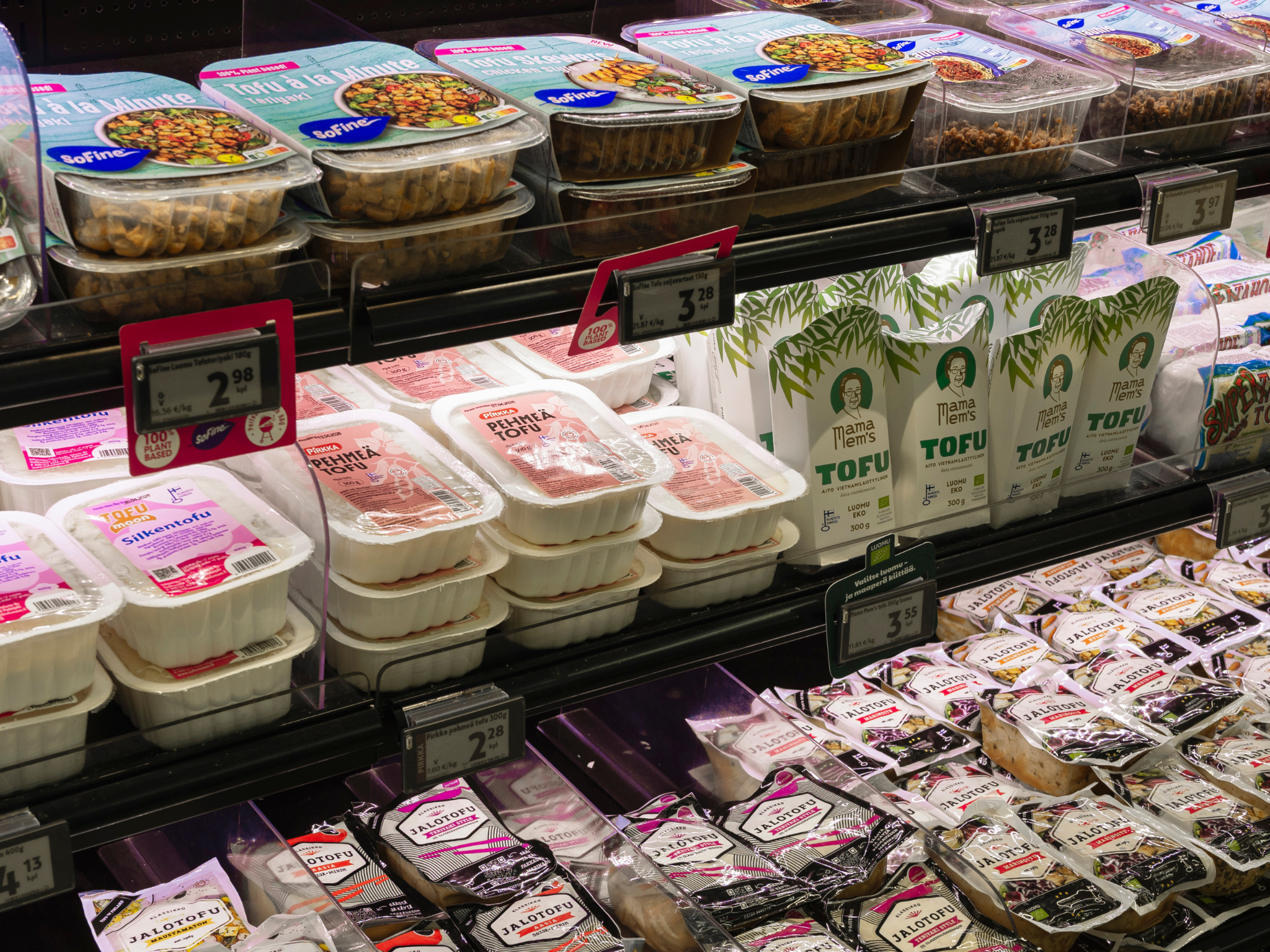
A cross-Atlantic study found that plant-based food sales are less price-sensitive than those of conventional meat and dairy, with socioeconomic status playing a key role.
Wars in the Middle East and Ukraine, accelerating climate change, and the arrival of El Niño have ushered in an uncomfortable reality for the global food system.
The supply chain is only going to get more disrupted, and food prices will keep soaring, widening the gap between income groups.
Some categories are more susceptible to these climate and geopolitical challenges, including animal proteins like meat and dairy. For instance, global meat prices reached an all-time high in August last year, according to the UN FAO, only to be broken again last month.
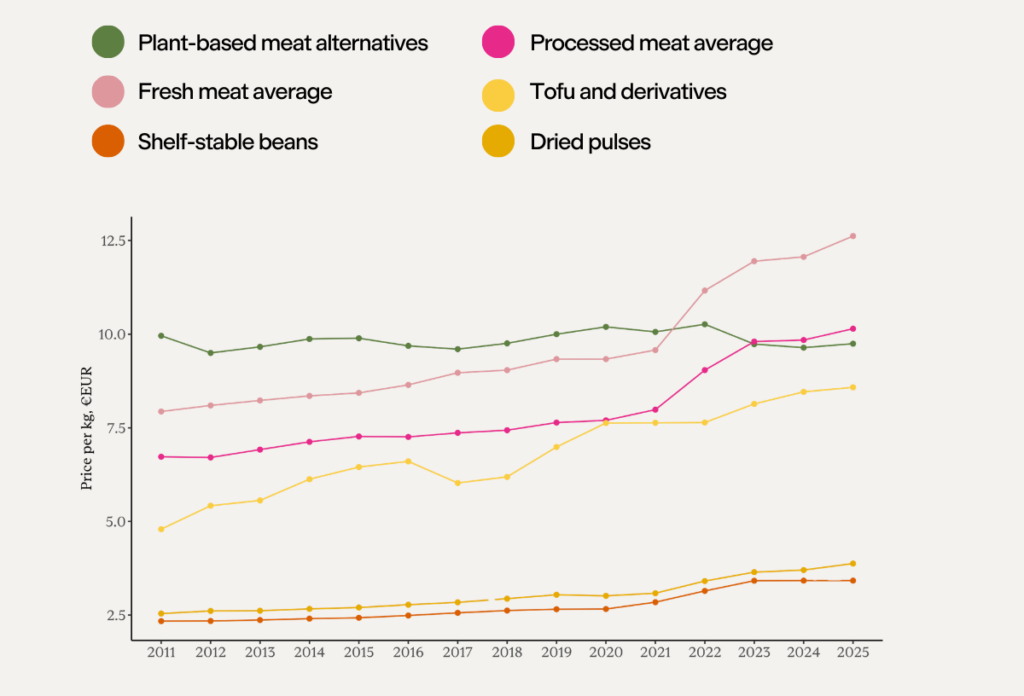
A bunch of research shows that the rise in meat prices has coincided with a gradual decline or flatlining in the cost of many plant-based alternatives, resulting in a retail landscape where some vegan meat and dairy products are cheaper than their conventional counterparts.
And now, a new study from Simon Fraser University shows that shoppers are less affected by price changes to plant-based products than to animal proteins.
“When prices rose, people bought less, and that was true for both animal‑based and plant‑based proteins. What surprised us was that price differences hit meat purchases harder than plant‑based ones,” says Cameron McRae, lead author of the study.
“Price has often been described as a major barrier to buying plant‑based foods, but our data suggests the relationship is more complicated.”
Research highlights socioeconomic gap in price sensitivities
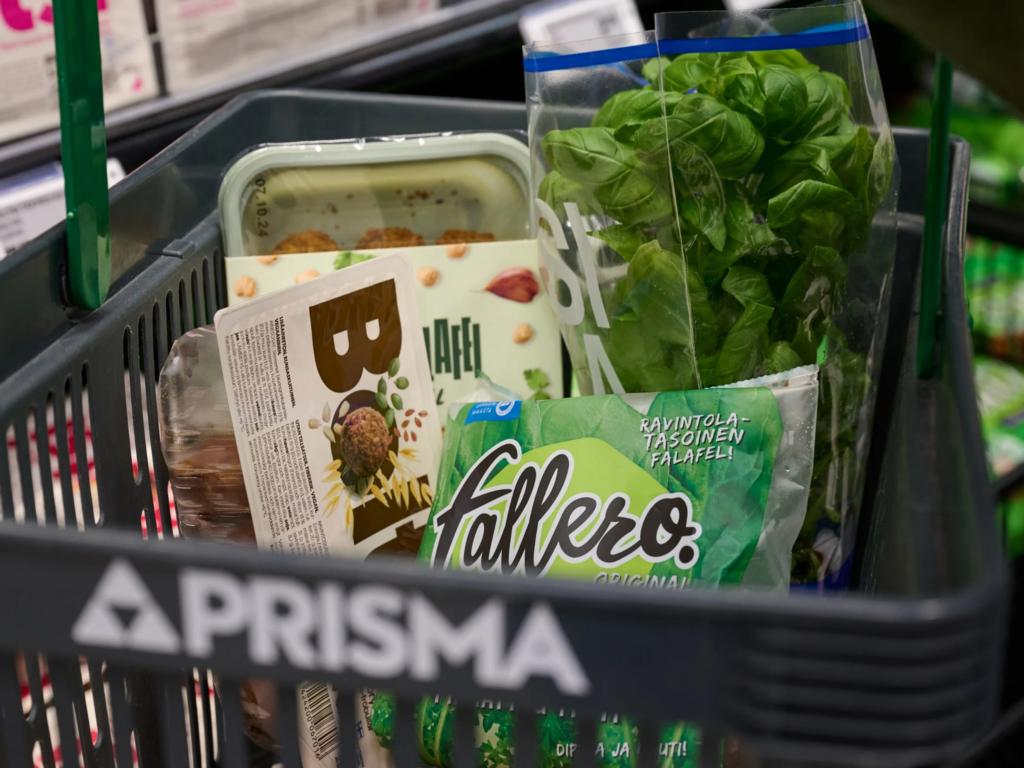
McRae and his team examined over 87,000 grocery carts in Canada and Finland, tracking loyalty card records over a two-year period. They collected data on monthly purchases of seven plant-based categories (including legumes, plant-based milk and meat, and tofu), and 14 animal-derived ones (spanning meat, eggs and dairy).
They then measured how changes in pricing affected sales of each product type and found that people adjusted their meat purchases more when their costs rose or fell. However, the price sensitivities differed among people with lower socioeconomic status.
The gap between high- and low-income shoppers was smaller for plant-based products, indicating that both pricing and product variety play important roles in who can realistically access more sustainable food options.
It was also a marker of the fact that the choice to purchase plant-based foods “may be shaped less by price considerations and more by other intrinsic motivations – such as ethical commitments, sustainability values, or dietary preference”, the researchers noted in Nature Communications Sustainability.
For animal-based categories, price elasticities were largest in magnitude for low-income consumers, indicating greater sensitivity than those with higher socioeconomic status, which the researchers said was “consistent with prior research on resource constraints and food purchasing behaviour”.
The effects of education were smaller, though more pronounced, for animal proteins, which aligns with evidence that education shapes food choices through nutritional awareness and values.
Price parity drives more purchases of plant-based foods
Despite the differences between income groups, one thing was clear: affordability remains a central issue for both plant and animal proteins.
“One explanation is that plant-based categories in Finland and Canada are less mature, with fewer brands and limited price tiers, leaving consumers with little opportunity to ‘trade down’ within the category,” the researchers noted.
“Vegan milk, for example, must still be purchased at a fixed premium if alternatives are scarce. Market analyses confirm that cost is consistently cited as a barrier in Canada, while Finnish surveys show a large ‘no-change’ segment sustaining meat demand despite growing flexitarian interest.”
They pointed to evidence from European retailers demonstrating that temporary price-parity trials, in which plant-based proteins were sold at the same price as their animal-derived counterparts, produced immediate and measurable gains in sales.
Some have made the changes permanent. In Germany, Lidl has been selling own-label vegan products at the same or lower price as meat and dairy since 2023, and, broadly, a plant-based shopping basket is now 5% more affordable than one with animal proteins in most of the nation’s major supermarkets.
In addition to Germany, plant-based meat is now cheaper than animal-derived versions on average in Spain and the UK, too. In the latter country, soaring beef prices have already been driving consumers towards cheaper plant proteins, such as legumes, echoing the results of a Simon Fraser University study.
Separate analysis by the Good Food Institute Europe found that the price gap between plant and animal proteins has narrowed in the region, which it said played a large part in driving a 3% rise in sales in 2025.
“With meat, shoppers can usually trade down when prices are higher, choosing ground beef instead of steak, for example. If there are only two or three plant-based options on the shelf, consumers who want those products have fewer cheaper alternatives to switch to,” said McRae. “If sustainability is the goal, plant‑based foods can’t remain a premium option.”