

Study Shows Longevity-Boosting Potential of BMC Ingredients’s Rhiza Mycoprotein


US startup BMC Ingredients has published a paper highlighting the presence of longevity-linked compounds in its fibre-rich Rhiza mycoprotein.
With healthy ageing joining protein and fibre as a core influencer of consumers’ food choices, a new peer-reviewed study puts the spotlight on one ingredient that hits a home run across each of these spheres.
Mycelium, the root-like structure of filamentous fungi, has become increasingly common in the alternative protein world, thanks to its high nutrition and sustainability credentials. US startup BMC Ingredients (formerly The Better Meat Co) calls its version Rhiza, a mycoprotein derived from the fungal strain Neurospora crassa.
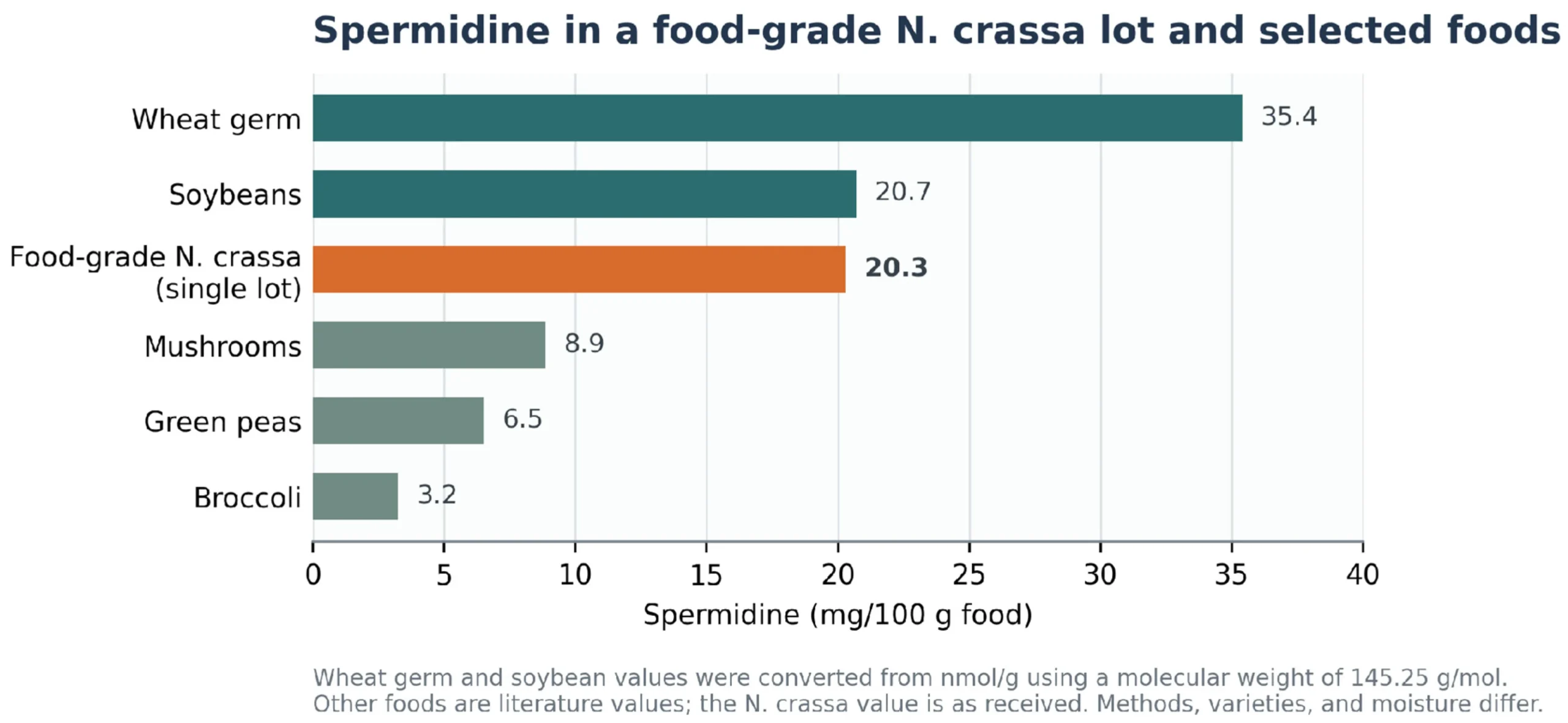
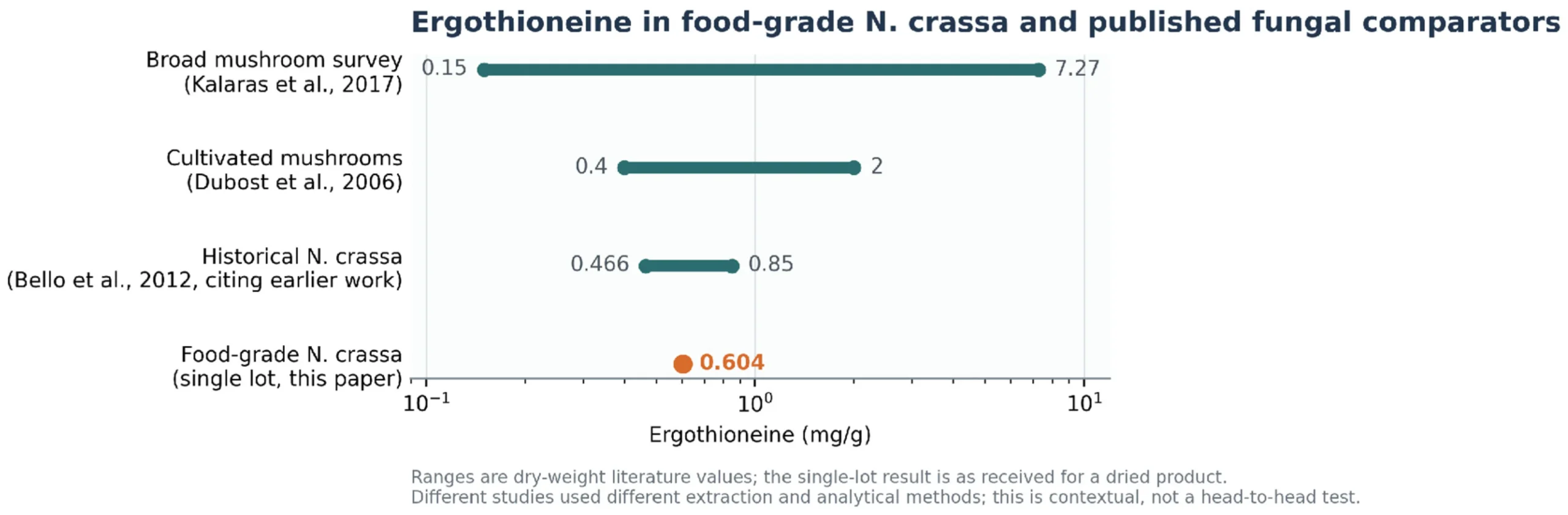
The firm’s research, published in Applied Microbiology, shows that its ingredient is a source of two compounds linked to longevity. Third-party testing of dried Rhiza found 60.4mg of ergothioneine and 20.3mg of spermidine per 100g, which promote cell renewal and protect mitochondria and DNA, respectively.
“Rhiza mycelium deserves attention for more than its protein and fibre,” said Paul Shapiro, co-founder CEO of BMC Ingredients. “It offers food makers a way to incorporate ergothioneine and spermidine into everyday foods through a whole-food ingredient.”
Rhiza mycoprotein combines protein and fibre with longevity compounds
Neurospora crassa has a long history of human consumption in foods such as oncom (a fermented Indonesian staple made from byproducts like soy pulp) and Roquefort cheese. BMC Ingredients leverages the strain in a submerged fermentation process to produce Rhiza.
At the end of the fermentation process, the wet biomass is separated from the growth medium via filtration, and the resulting moist cake is diced into small pieces and dehydrated using a heat treatment step. The dried and shredded biomass is then sieved and packaged.
Rhiza contains 45-50% protein (more than eggs) and 30% fibre (more than oats), with a protein digestibility score of 0.87-0.96 (close to casein, beef and eggs). It also has more iron and zinc than beef, and more potassium than bananas, and contains no cholesterol and virtually no saturated fat.
The new research builds on this nutritional profile with evidence of Rhiza’s longevity-boosting compounds. Spermidine is a polyamine vital for cell growth and regeneration, immune regulation, DNA stability, and more. It’s an increasingly popular component in anti-ageing supplements.
Human studies and mechanistic research have associated it with cellular maintenance pathways like autophagy, the body’s process of clearing out damaged cells and regenerating healthier ones.
Ergothioneine, meanwhile, is often referred to as the “longevity vitamin”. It’s a rare antioxidant amino acid that can scavenge free radicals, protect the mitochondria, and support brain and immune health.
Shapiro, who authored the research, pointed out that the presence of these compounds was tested in only one lot of Rhiza, and the findings don’t establish species-wide concentrations, bioavailability, or health benefits.
“Studies in model organisms and observational human studies provide a rationale for further research on healthy aging, but neither compound has been shown to extend human life when consumed in N. crassa,” he said.
BMC Ingredients proposes four-stage strategy for future research
The author proposes a four-step approach to further research. The first stage would involve testing multiple, non-consecutive lots of Rhiza for ergothioneine and spermidine, followed by a phase of stability tests through storage and representative cooking conditions.
Next, an in-vitro digestion model should be used to estimate release from the mycelial matrix. And finally, if exposure is nutritionally relevant, a human bioavailability study should be conducted to measure plasma or red-blood-cell ergothioneine, as well as appropriate polyamine endpoints.
Rhiza is sold to B2B companies in two formats. RhizaTex comprises mycelium granules specifically designed for applications where texture is critical, including meat analogues and blended meats. And RhizaPro is a mycelium powder for products that require solubility, emulsification, and gelation, including dairy alternatives, smoothies, bars, pasta, and baked goods.
The mycoprotein ingredient is already sold as part of several products in the US, where BMC Ingredients secured a ‘no questions’ letter from the Food and Drug Administration in 2024. Further, the innovation has been approved for sale in Singapore and Canada.
Last year, the firm raised $31M in Series A funding to scale up and undercut the price of commodity beef. It operates a 9,000-litre bioreactor at its demo plant in Sacramento, which can produce thousands of pounds of mycelium, and is working with a contract manufacturer in Asia to churn out 100 dry tonnes of Rhiza each month – that facility is set to open in Q2 2027.
BMC Ingredients has also secured five agreements with major meat producers in North America, South America and Asia, collectively projected to generate $13M in annual revenue.
It isn’t the only future food firm eyeing the longevity market. Globally, healthy ageing is a top priority for up to 60% of people. Dutch mycoprotein startup The Protein Brewery has talked up the presence of spermidine and other bioactives in its ingredient, while Reagenics Research is using plant cell culture to grow protein inside potatoes with low methionine content (a compound that can accelerate ageing).