

New Bipartisan Bill Seeks to Put Health Warning Labels on Ultra-Processed Foods

The Childhood Diabetes Reduction Act aims to make front-of-pack warning labels mandatory on ultra-processed foods and products high in saturated fat, sugar or salt.
Plant-based meat products in the US could be forced to carry health warnings on their packaging labels under a new bipartisan bill in the House of Representatives.
Democrats Don Beyer and Scott Peters have joined forces with Republican Representative Mike Lawler to introduce the Childhood Diabetes Reduction Act, which aims to lower diet-related chronic diseases in children by imposing marketing and packaging restrictions.
Among the key focuses of the proposed bipartisan bill are ultra-processed foods (UPFs). The legislation seeks to convene an expert panel to define these products, prohibit them from being advertised to children, and require them to carry front-of-pack warning labels.
It’s the latest policy move against UPFs, opposition to which has become a rare point of agreement across the aisle in Congress. They have also been the target of many nutritionists, food companies, and consumers, despite health experts warning that the category is too broad to be considered unhealthy across the board.
“Childhood obesity has more than tripled over the last four decades, due in large part to ultra-processed and calorie-dense foods marketed to kids,” said Peters. “Families should know exactly what their child is eating without marketing gimmicks or misleading packaging.”
What would food packaging look like under proposed bill?
Under the bill, a host of food and drink products would need to warn consumers about health dangers on-pack. UPFs, for example, would need to carry the sentence: “Food and Drug Administration Warning: Consuming ultra-processed foods and drinks can cause weight gain, which increases the risk of obesity and type 2 diabetes.”
The label on foods with high levels of saturated fat, added sugar or salt (HFSS), meanwhile, must state that they’re “high in [specific nutrient]” for each nutrient exceeding the thresholds set by the FDA.
Further, the bill takes aim at sweetened food and beverage products. Sugar-sweetened drinks would need to carry a warning that states: “Drinking beverages with added sugar can contribute to obesity, type 2 diabetes, and tooth decay. Not recommended for children.”
And for foods that contain sugar-free sweeteners, the label must read: “Contains non-sugar sweeteners. Not recommended for children.”
“It’s thrilling to see this bill introduced in the House. If passed, this bill would establish the US as a global leader in taking action to promote health for kids,” said Dr Lindsey Smith Taillie, a professor at the University of North Carolina and co-director of the UNC Global Food Research Program.
“Scientific evidence shows that front-of-package labels like the ones proposed give parents the information they need to make healthy choices for their children,” she added.
The proposed bill comes a year after the FDA updated the labelling requirements for companies to market their foods as ‘healthy’, putting the spotlight on HFSS foods to address the “ever-growing epidemic of preventable diet-related chronic diseases” plaguing the US.
Shortly after, the agency proposed similar front-of-pack labelling rules for packaged foods, which would highlight saturated fat, sodium, and added sugars ” to help Americans make more informed choices about their diets and health.
UPFs in the spotlight despite conflicting views on health impact

The new bill is a reintroduction of the Childhood Diabetes Reduction Act, which was first floated by Beyer in 2024. A companion bill was introduced in the Senate by independent Senator Bernie Sanders.
The basis of the legislation is the fact that one in five American children now live with a heightened risk of developing type 2 diabetes, heart disease, and other diet-related chronic conditions. Government data shows that one in three teens are now prediabetic, and over 21% of children are living with obesity.
HFSS foods are a major contributor to this increase. Recent studies have put UPFs in the spotlight, too. These are made with industrial formulations and techniques or contain cosmetic additives thought to be of little culinary use.
Americans now get 55% of their calories from UPFs, and research has linked them to a multitude of health ailments (and even premature death). It’s why states like California, Arizona and Louisiana have banned their use in schools, and a citizen petition by former FDA commissioner David Kessler is asking the agency to revoke the food safety status of certain UPFs.
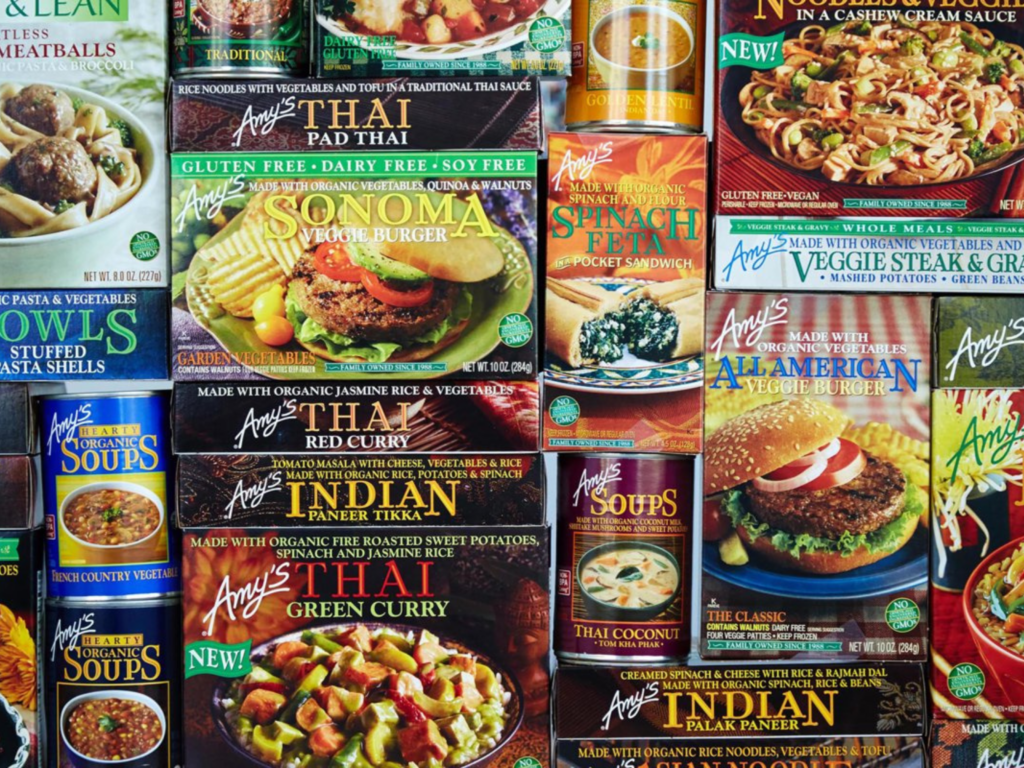
But the categorisation bundles everything from whole-grain bread, canned soups and vegan burgers to Oreos, Coca-Cola and McDonald’s nuggets together. The American Heart Association has stated that not all UPFs are equal, and several such products can actually be good for you, including plant-based meat and dairy alternatives.
To its credit, the bill recognises this nuance, asking the health secretary and the National Academies of Science, Engineering, and Medicine to convene a committee of nutrition science experts to review the science of UPFs and develop recommendations for defining these products.
The legislation would also direct the National Institutes of Health (NIH) to expand research programmes on the health effects of UPFs and identify the specific ingredients and additives within them that may be harmful to health. It would require the Centers for Disease Control and Prevention to lead a national initiative to educate families on nutrient warning labels and the health risks associated with ultra-processed foods.
The FDA is already working to develop a definition of UPFs in a bid to encourage companies to label their offerings as ‘non-ultra-processed’ the same way products are marketed as sugar- or fat-free. Separately, the Non-UPF Program and the Non-GMO Project have both introduced non-UPF labels for food companies in the US.