

Nambawan Spain’s New Plant-Protein-Based Sugar Substitute is Over 13,000 Times Sweeter

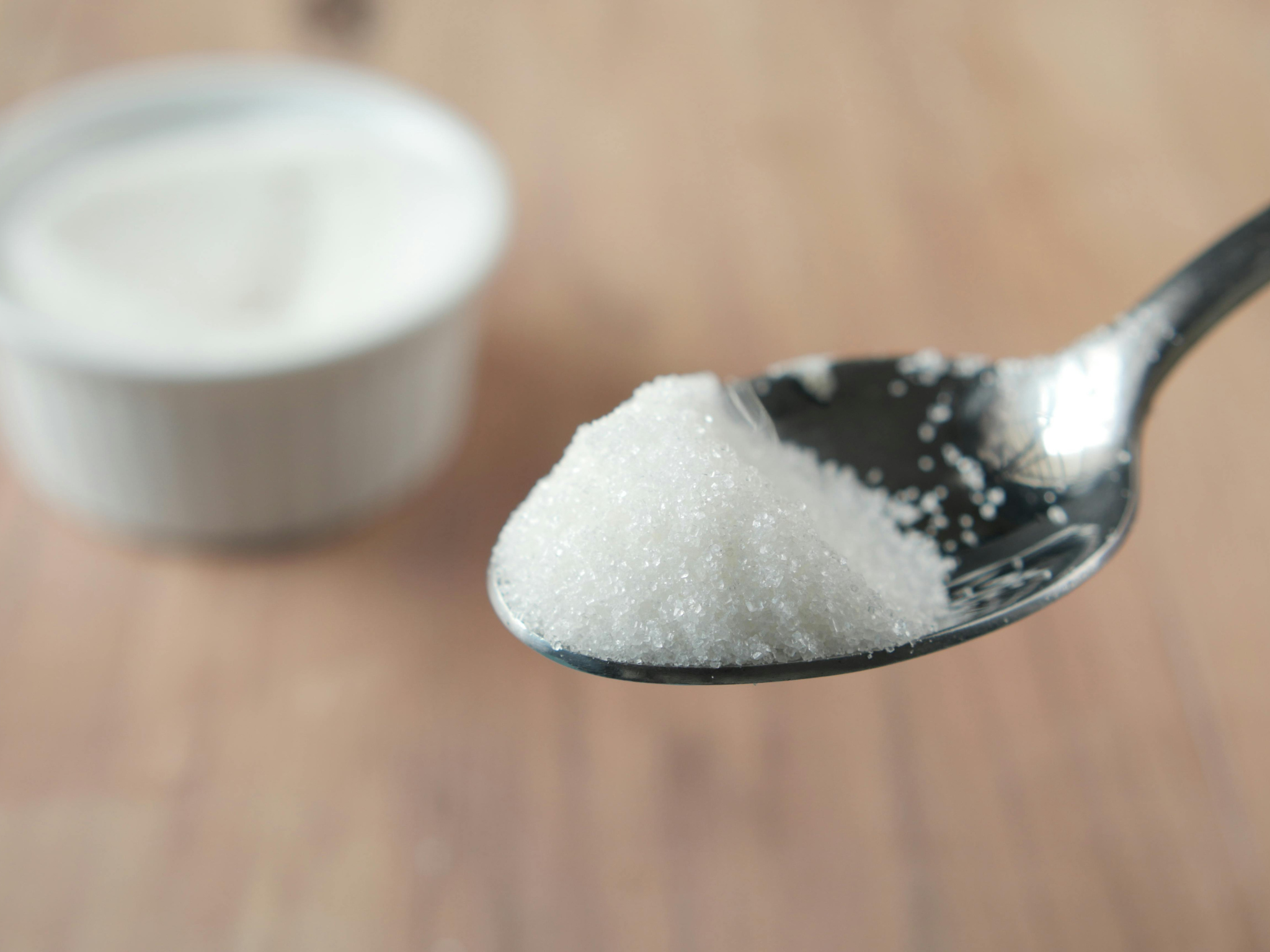
Nambawan Spain, a spinoff of Nomad Bioscience, has unveiled Thaûma, a thaumatin sweetener produced via plant molecular farming, which is 13,600 times sweeter than sugar.
The food tech industry’s deepened focus on sugar reduction has led to the launch of another innovative sweetener, this time based on a plant protein.
Nambawan Spain, which spun off from German biotech firm Nomad Bioscience in 2023, has launched Thaûma, a thaumatin-based sweetener and flavour modifier.
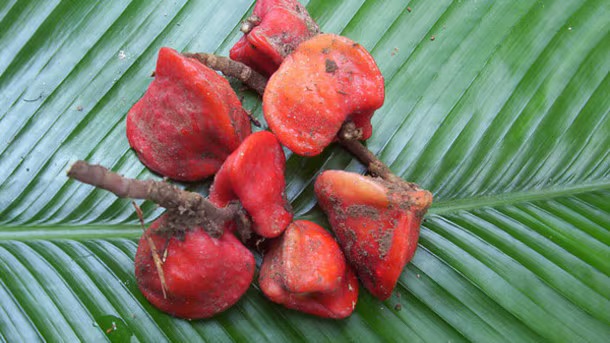
Thaumatin is a sweet protein found in the West African fruit katemfe, and Nambawan Spain’s version uses plant molecular farming to produce a sweetener based on thaumatin II, one of the two principal proteins found in the ingredient.
“For decades, formulators have been forced to compromise between taste, cost, supply reliability, and sustainability when developing products with natural sweeteners,” said Nambawan Spain CEO Yuri Gleba.
“Thaûma combines exceptional sweetness intensity, flavour enhancement, regulatory acceptance, and scalable production in a single ingredient platform, helping brands create healthier products without the tradeoffs that have historically limited natural sweetener adoption.”
Thaûma already approved for sale in the US
Plant molecular farming involves modifying the cells of plants to enable them to express a variety of proteins within the crop, which can then be harvested from leaves or other plant tissues for use in food applications.
For instance, some companies are producing pork protein in soybeans, and others are expressing casein in potatoes. Since plants themselves are the ‘bioreactors’ here, this approach allows them to supply these ingredients on a large scale, and at a much lower price than other emerging food technologies.
Nomad Bioscience is a key player in this space, and through Nambawan Spain, it’s using the tech to produce a sweetener that’s 13,600 times more saccharine than sugar. According to the company, it is the most potent natural sweetener known to science.
This enables companies to use Thaûma at the extremely low inclusion rates of one to five parts per million, 75 to 230 times lower than stevia or monkfruit. The ingredient is positioned as a “co-sweetener” that enhances the performance of natural sweeteners while significantly lowering formulation costs.
Aside from sweetness, it acts as a powerful flavour modifier, masking bitter, astringent, liquorice, fruity, and fermented off-notes, and enhancing sweetness perception and overall taste and mouthfeel.
The non-caloric and non-glycemic sweetener can be used as a sweetener and flavour modifier for functional beverages, nutrition products, dairy, confectionery, and other reduced-sugar applications.
From a regulatory standpoint, Thaûma is supported by five Generally Recognized as Safe (GRAS) approvals by the US Food and Drug Administration and the Flavor and Extract Manufacturers Association. It’s also been certified by the Joint FAO/WHO Expert Committee on Food Additives.
Why sugar reduction is booming
Nambawan Spain’s thaumatin launch comes as more manufacturers seek sugar-reduction solutions that don’t compromise on taste, functionality, cost, or availability.
A recent seven-country survey by Tate & Lyle found that over 50% of respondents planned to cut back on sugar over the next 12 months. This aligns with 2025 research by its would-be parent company, Ingredion, which found that 64% of global respondents said they were actively consuming less sugar, citing health reasons.
This is also driven by the rise in GLP-1 use. In the US alone, the share of consumers using Ozempic, Mounjaro and other weight-loss drugs rose from 10% to 18% between 2024 and 2025. Research has found that 35% of GLP-1 users are consuming less sugar than before. In fact, when Americans were asked what they wanted to consume less of in 2025, the top answer was sugar (45%).
Today, roughly 8% of our calories come from the ingredient, whose consumption has quadrupled in the last 60 years. But added sugars are linked to a host of ailments, including cardiovascular disease, cancer, obesity and type 2 diabetes. In the last three decades, the number of people with diabetes (mostly type 2) has doubled. And in the next decade, half of the world could be overweight or obese.
There’s an environmental argument, as well. Keeping added sugar intake to the WHO’s recommended value of 5% of daily calories would free up 483 million tonnes of sugarcane and 128 million tonnes of sugar beets, opening up opportunities for land rewilding, carbon sequestration, diversifying into non-sugar crops and increasing carbon efficiency.
And with climate change threatening sugar supplies, solutions like plant molecular farming could help provide a “transparent, reliable, and scalable supply chain capable of supporting growing global demand”, according to Nambawan Spain.
Its Thaûma ingredient requires 95% less land and water than sugar, and generates 95% fewer emissions per unit of sweetness. In fact, one tonne of the sweet protein can replace 10,000 tonnes of sugar.
It is one of several startups producing sweet proteins through biotechnology, including Oobli, Amai Proteins, MycoTechnology, Pentasweet, Perfect Day, Sweegen, Microfarmtory, and Nanjing Bestzyme.