

India Seeks Stricter Regulation of Ultra-Processed Foods to Overhaul Product Labelling

Public health scientists in India have proposed a “dual-axis” framework to classify foods based on nutritional content and processing levels, just as the government faces questions about its regulation of ultra-processed foods.
The global regulatory battle against ultra-processed foods (UPFs) has reached India, the world’s most populous nation, and one engulfed by a snowballing public health crisis.
In 2023-24, 31% of women and 27% of men aged 15-49 were overweight or obese, up from 24% and 23% in 2021, respectively. India also overtook the US this year to become the country with the second-highest childhood obesity rate, with over 40 million children falling in the overweight or obese bracket.
Nearly a quarter of Indians are diabetic or prediabetic (which mostly entails lifestyle-related type 2 diabetes), with estimates suggesting that the condition could claim close to 700,000 lives in the country this year.
Diets are among the major drivers of these chronic conditions, and the focus on them has now sharply increased with the proposal of a new regulatory framework for packaged foods.
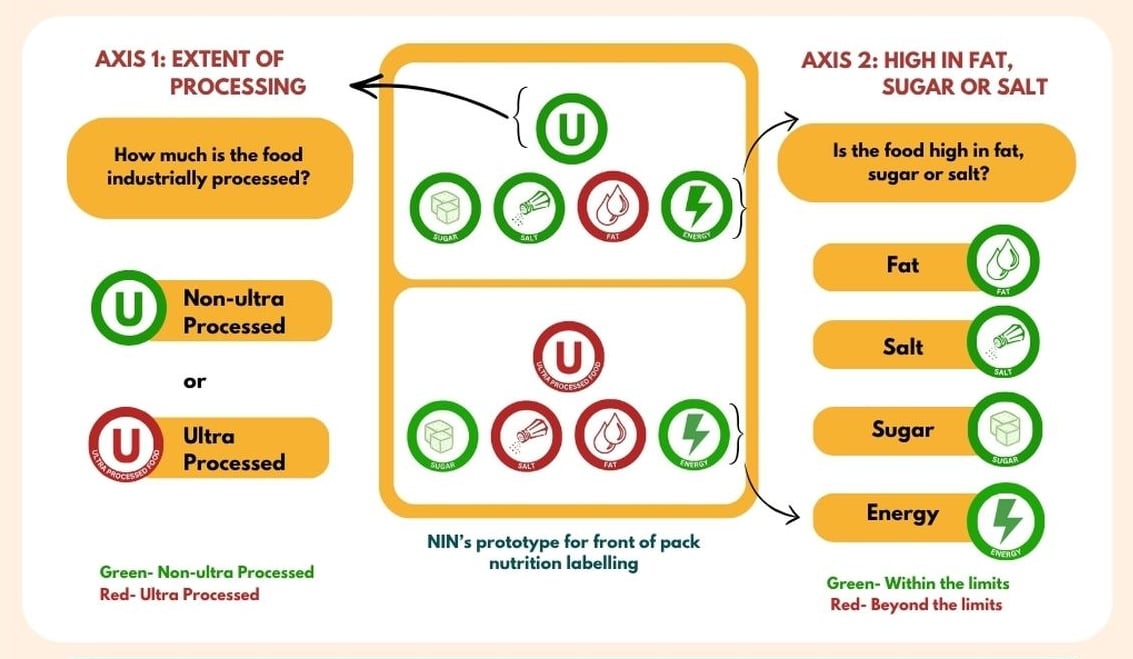
Scientists from the ICMR-National Institute of Nutrition (ICMR-NIN), a government-owned public health and nutrition centre in Hyderabad, have floated a “dual-axis approach” to regulating UPFs and foods that are high in fat, sugar and salt (HFSS). It combines a product’s nutritional content with the degree of processing.
“India’s food system is unique, and so should be its regulatory framework. Foods cannot be judged solely by how much they are processed or only by their nutrient content,” said SubbaRao M Gavaravarapu, scientist and head of nutrition, health and communication at ICMR-NIN.
“A dual-axis approach will provide a scientifically robust and culturally relevant basis for food labelling, consumer awareness and future policy decisions,” he added.
Why an isolated labelling approach fails to work
The Nova classification that birthed the concept of UPFs groups food into four categories: unprocessed or minimally processed (like fresh produce), processed culinary ingredients (like olive oil and salt), processed foods (like certain cheeses and artisan breads), and UPFs.
The latter category is made up of foods made with industrial formulations and techniques or containing cosmetic additives thought to be of little culinary use. Put simply, they’re thought of as foods you can’t make in your home kitchen. However, there’s no legal definition of UPFs, which inhibits the implementation of nutrition policies that target these products.
ICMR-NIN argues that regulators should assess packaged food using two questions: how much industrial processing has the product undergone, and does it exceed HFSS thresholds? Relying on only one of these can create blind spots, they say.
Nutrient-based systems, for instance, “rarely incorporate processing-related risks like use of cosmetic additives, highly refined ingredients… and alterations to the food matrix that compromise the nutritional quality”.
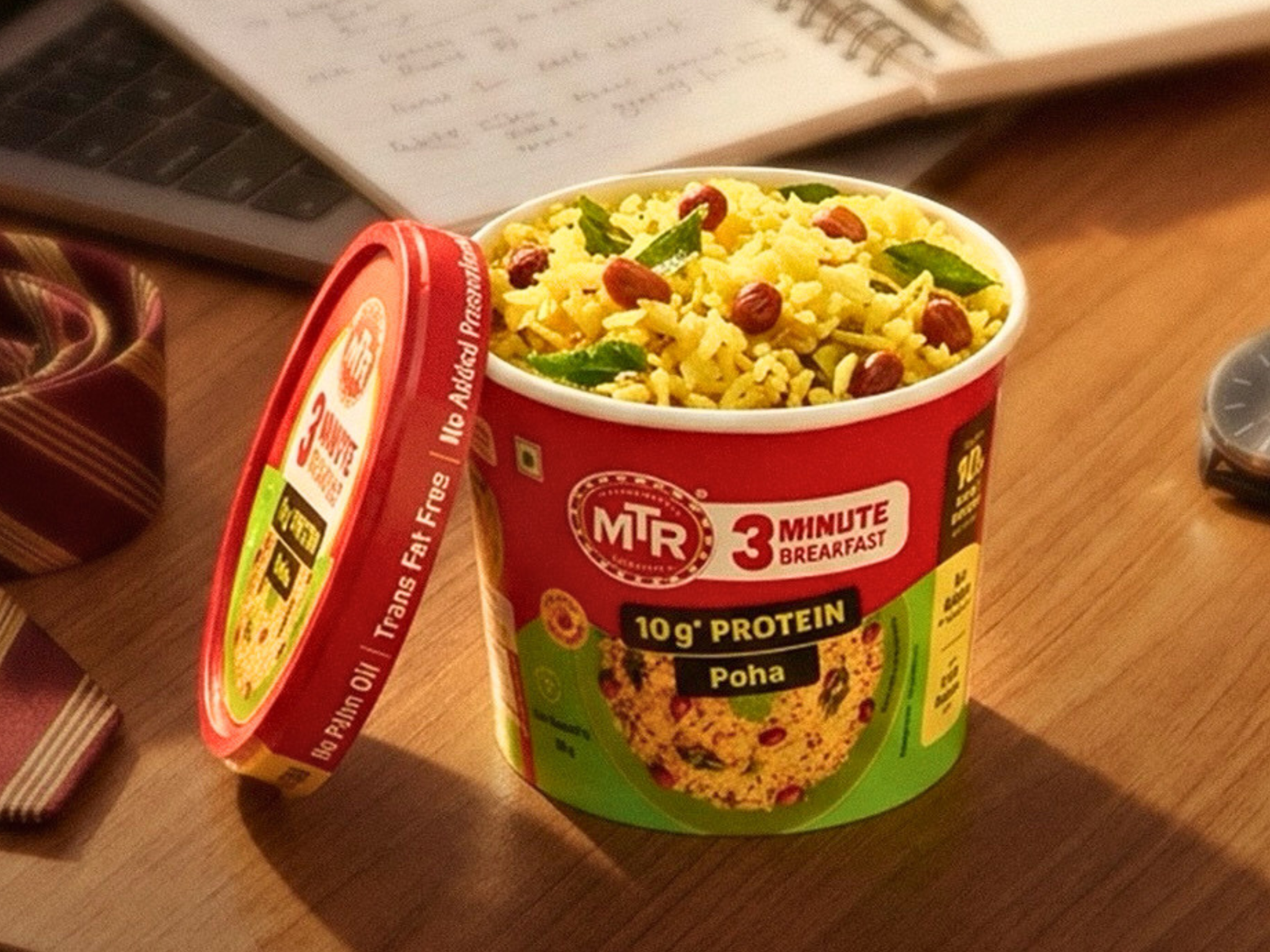
The authors cite the example of “health-positioned” products such as protein bars, sugar-free biscuits, and plant-based milks, many of which meet nutrient thresholds yet remain ultra-processed. These innovations swap out harmful ingredients for non-nutritive sweeteners, emulsifiers and stabilisers that they argue “alter food matrices”, fostering a “misleading perception of healthfulness”.
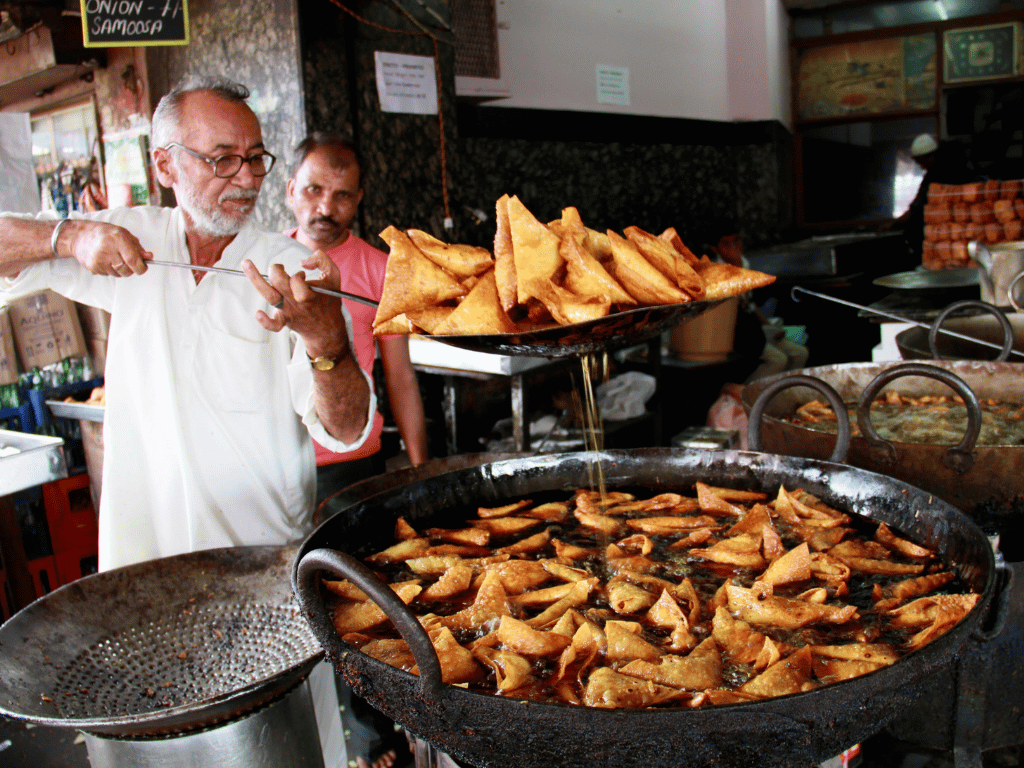
On the other hand, samosas and jalebis (deep-fried yeasted dough soaked in sugar syrup) are usually made outside industrial settings, but they’re high in calories, fat, salt and sugar. “Reliance on classification based on ultra-processing alone may overlook substantial dietary hazards,” the scientists say.
“India’s evolving food system underscores the need for a pragmatic, integrated classification combining UPFs and HFSS foods,” the authors wrote. “Defining HFSS foods first and UPFs later, or adopting Nova without nutrient thresholds, risks delaying regulatory action.”
Updated UPF regulation could reform labelling, school nutrition, and public health
Some studies have linked UPFs to a host of diseases, and even early death. In India, the government’s 2025-26 economic survey identifies rising UPF consumption as a driver of obesity and non-communicable diseases.
However, other experts have called for a more nuanced outlook on these products, arguing that a bottle of Coca-Cola isn’t the same as a fortified plant-based milk, despite both being classed as UPFs. So bundling them all in the same category is misleading. ICMR-NIN’s approach could bridge this gap, but it could also backfire if implemented improperly.
“In the absence of a formal HFSS definition, key policy instruments – such as school food standards, front-of-pack nutrition labelling and restrictions on marketing of unhealthy foods to children, cannot sufficiently address UPFs,” it says.
A dual-axis approach could provide the scientific foundation for improved front-of-pack food labelling, marketing restrictions, and school nutrition policies, as well as prevent misleading health claims on reformulated products, collectively addressing obesity and other diet-related diseases.
The institute’s proposed regulatory framework builds on the 2024 national dietary guidelines, which incorporated both food processing and nutrient considerations for the first time.
The publication came days after an MP questioned the central government about its actions regarding UPFs. Sana Satish Babu, a member of the Rajya Sabha (the upper house of the Indian parliament), asked the administration what it was doing to tackle high-sugar UPFs in the monsoon session of the parliament.
In response, the government pointed to ICMR’s dietary recommendations and suggested that the excessive consumption of UPFs can significantly increase the risk of obesity, diabetes, and cardiovascular disease, and more.
“As India faces the dual burden of undernutrition and rising obesity, evidence-based food policies are critical,” said ICMR-NIN director Bharati Kulkarni, adding that the proposal “provides a practical pathway to strengthen nutrition policy, protect consumers, and support healthier food environments while respecting India’s diverse food traditions”.