

Swiss Court Bans Use of ‘Milk’ on Plant-Based Alternatives, Rejecting Danone’s Appeal


The Swiss Federal Court has rejected Danone’s appeal to allow it to use the word ‘milk’ in the labelling of its Alpro This Is Not M*lk product, echoing a decision in the UK earlier this year.
The plant-based industry’s fight for labelling rights has hit a new roadblock, this time in Switzerland.
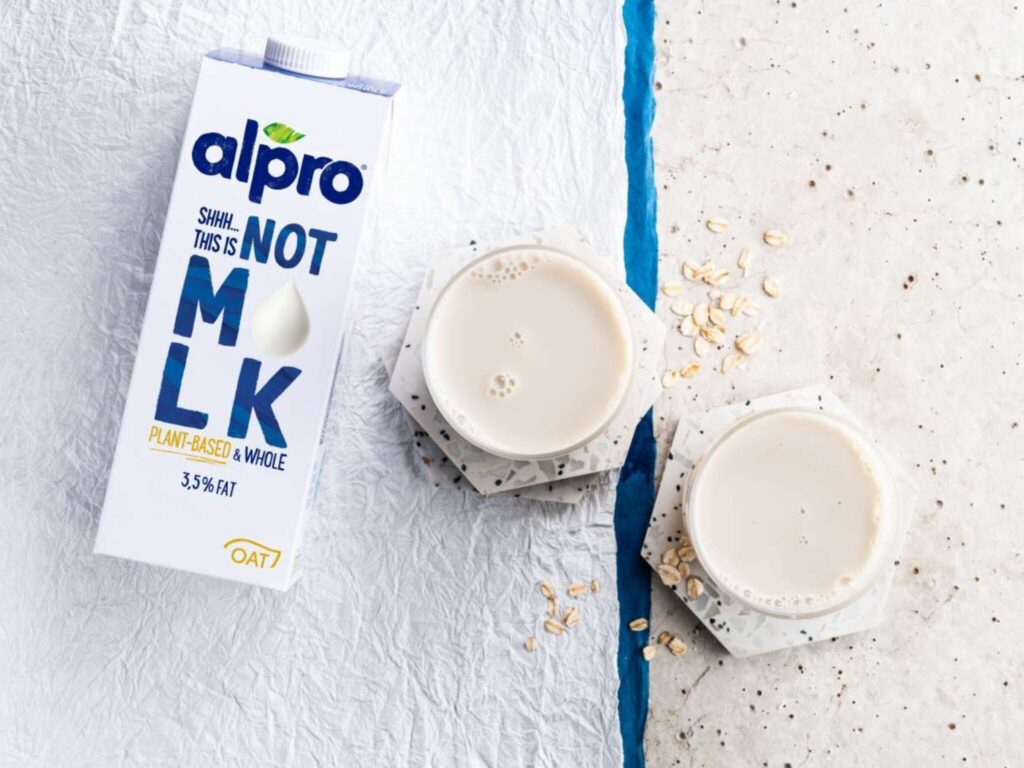
French dairy giant Danone has lost its appeal to market This Is Not M*lk, an oat milk product sold under its Alpro brand, in the country, even though its packaging does not explicitly use the term ‘milk’.
Judges at the Federal Supreme Court rejected the company’s case by four votes to one, ruling that ‘milk’ cannot be used as a term on non-dairy product labels. One of the judges said, “If you have to call a spade a spade, you have to call milk ‘milk’.”
It comes shortly after the UK Supreme Court handed out a similar ruling against Oatly, invalidating its “Post-Milk Generation” trademark by reasoning that the term ‘milk’ can’t be used as a designator for oat-based products.
Court says plant-based milk can’t use ‘modified’ terms either
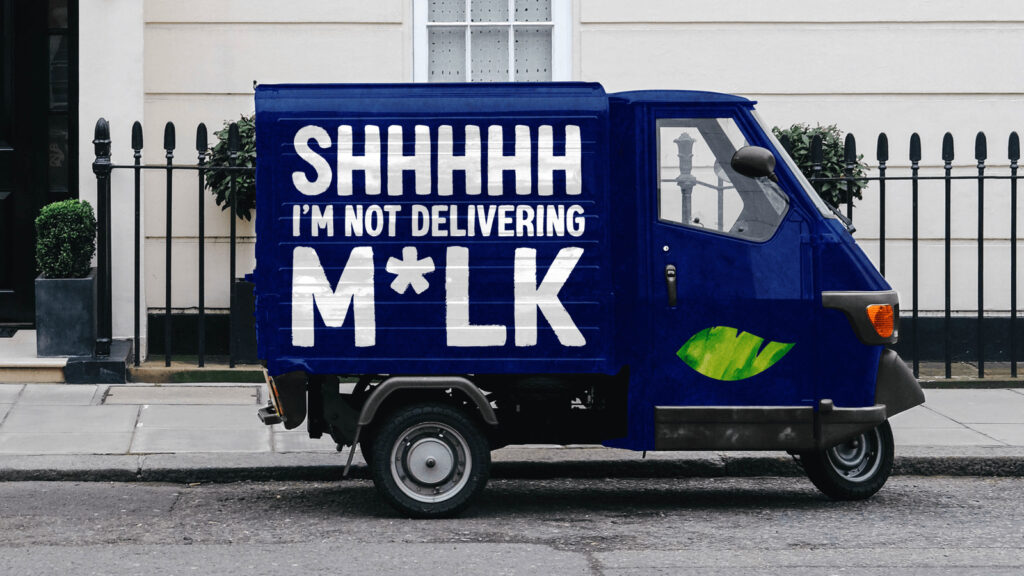
Plant-based milk producers have long been battling efforts attempting to restrict how they can label and market their products. Opponents have argued that these products can’t use dairy-like terms because they don’t meet the definition of dairy products, which they say must come from mammals.
For years, the plant-based industry has employed a creative strategy to get around these complaints, replacing the ‘i’ in ‘milk’ with symbols such as asterisks, exclamation marks and full stops, or the letter ‘y’. In some cases, they omit the ‘i’ altogether.
Danone’s Alpro brand does away with the word ‘milk’ in its core lineup by highlighting just the core ingredient, labelling products as ‘Alpro Oat’ or ‘Alpro Almond’. The offering at the centre of the Swiss case is an oat-based milk alternative intended to more closely resemble dairy flavour.
For this, Alpro uses the term ‘This is Not M*lk’, utilising a white droplet in place of the ‘i’ as a loophole on the packaging. This moniker has worked even with the EU’s legislation prohibiting the term ‘milk’ from appearing on plant-based labels.
Switzerland has gone a step further. In 2022, the Zurich cantonal laboratory banned Alpro’s This Is Not M*lk product from the market, claiming it violated Swiss law, which defines milk as “the product of the mammary secretion of an animal classified as a mammal”.
The Zurich Cantonal Court agreed with the lab’s decision, which prompted Danone to appeal to the Federal Court. On Friday, the latter rejected the appeal, citing a 2025 legal precedent on the designation of vegan food products.
“In this concrete case, the designation ‘milk’ cannot be used for a vegan product,” the court stated. “In principle, the same applies if the specific term ‘milk’ is used in a negative statement, or if it is modified typographically.”
A wave of decisions against plant-based labelling in Europe
Switzerland’s Foodstuffs Act states that the presentation and labelling of foods must not mislead consumers, particularly regarding the product’s production, composition, and nature.
It’s why the Supreme Court last year ruled that terms like ‘‘chicken’ or ‘beef’ can no longer be used on plant-based meat labels in Switzerland, overturning a decision by the Zurich Administrative Court that allowed Planted – the country’s leading meat-free manufacturer – to use terms like ‘Planted chicken’, ‘like chicken’, and ‘like pork’ on product labels.
Since these rules leave room for interpretation, the Federal Food Safety and Veterinary Office has advised cantons that even modified or negative claims, such as ‘not milk’ can be misleading.
In the latest decision, one dissenting judge suggested that no consumer would mistake oat milk for dairy based on the packaging, noting how terms like ‘soy milk’ and ‘almond milk’ are widely used in everyday language.
These legal rulings contradict the new nutrition strategy introduced by the Swiss Federal Council last year, which calls for an overhaul of the national diet, with an emphasis on boosting plant-based nutrition and creating sustainable food environments.
The eight-year plan chimes with the country’s latest dietary guidelines for adults, published in August 2024, which recommend eating more whole foods and plant proteins.
Switzerland’s decision against Danone comes just over a month after Oatly’s loss in the UK courts, as well as the EU’s decision to overturn its existing rules and outlaw the use of 31 terms to describe plant-based meat in marketing materials.