

EU Bans 31 Meat Names on Plant-Based & Cultivated Products, But ‘Veggie Burger’ Saved

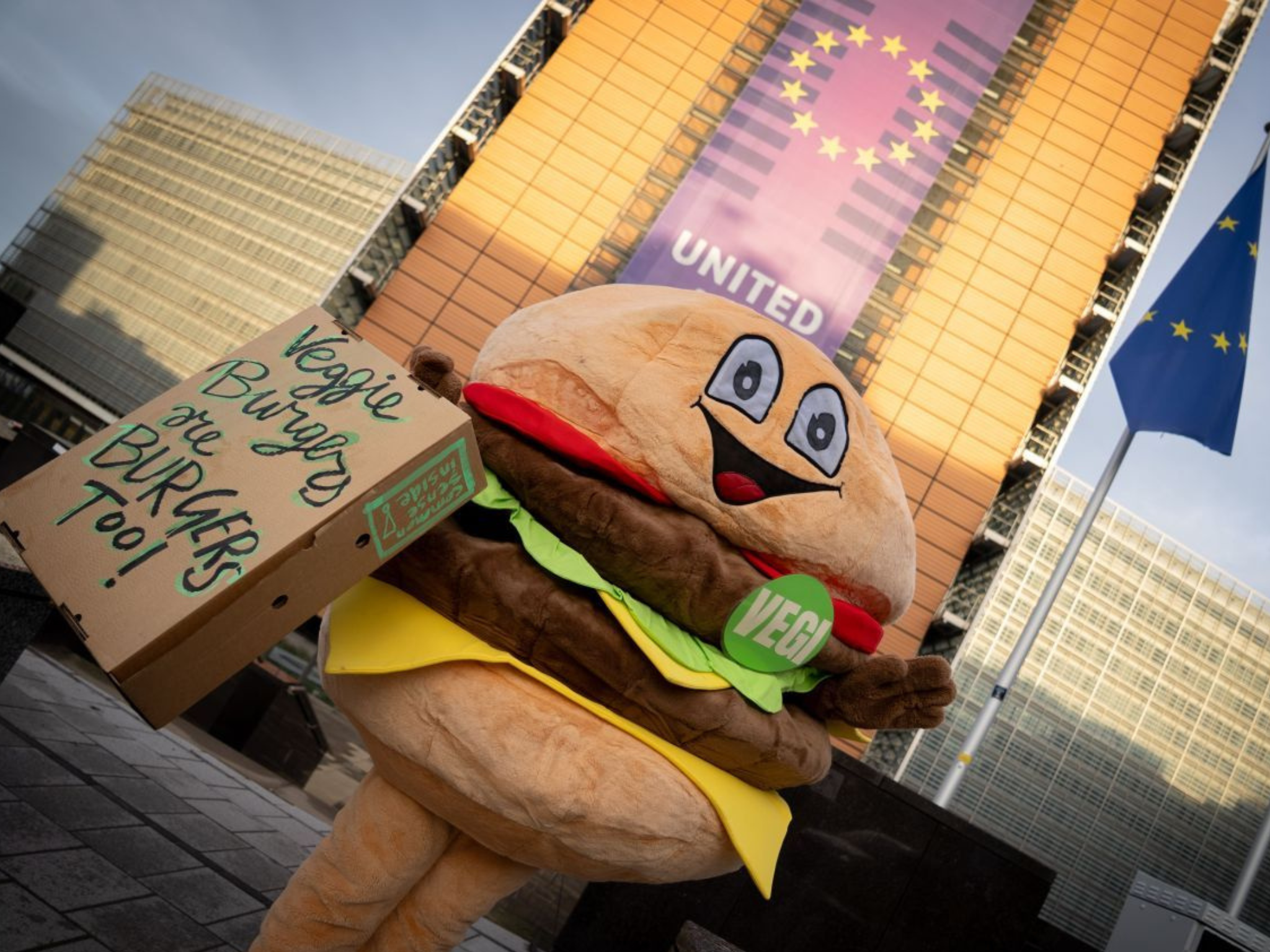
The European Union has agreed to ban 31 meat-like names from being used on plant-based product labels, but common terms like ‘veggie burger’ have been exempted.
After months of back and forth, the EU has dealt an enormous blow to the plant-based industry.
In today’s trilogue negotiations between the European Parliament, Council and Commission, lawmakers agreed to ban vegan products from using 31 names on their packaging labels and marketing, including ‘chicken’, ‘beef’, ‘steak’, and ‘bacon’.
The EU’s effort does spare some common terms like ‘burger’, ‘sausage’, ‘nuggets’, ‘ham’ and seafood alternatives – so products like the Beyond Burger, Heura’s nuggets and La Vie’s Jambon can keep their current names.
That said, policymakers have decided to extend the ban to cultivated meat, a product that still isn’t available anywhere in the region. And it is unclear how this will impact blended meat, a burgeoning category that combines animal proteins with plant-based ingredients and has gained rapid popularity in Europe’s retail and foodservice markets.
The EU has given companies three years to exhaust stock and align with the new regulations. The technical details of the text will be finalised on Friday, March 13, after which the file will move to a vote in the Agriculture and Fisheries Council with ministers from all 27 member states, and one final vote in the Parliament plenary.
Following this, plant-based and cultivated meat products will officially be banned from using meat-like terms – despite continuous opposition from consumers, businesses, and many policymakers.
“Fortunately, the conservative word police have failed to ban the ‘veggie burger.’ Unfortunately, a number of other words still end up on the blacklist. That’s a shame,” Dutch MEP Anna Strolenberg, a staunch opponent of the measure, said after the negotiations, which ran overtime. “Europe should be backing innovative entrepreneurs, not putting new obstacles in their way.”
Siska Pottie, secretary-general of the European Alliance for Plant-Based Foods, added: “This trilogue agreement sends a worrying signal for Europe’s food sector. While we welcome that commonly used terms remain allowed, banning a wide range of animal-related names and cut descriptions for plant-based alternatives creates unnecessary red tape and market barriers while helping neither farmers nor consumers.”
Which names has the EU banned?
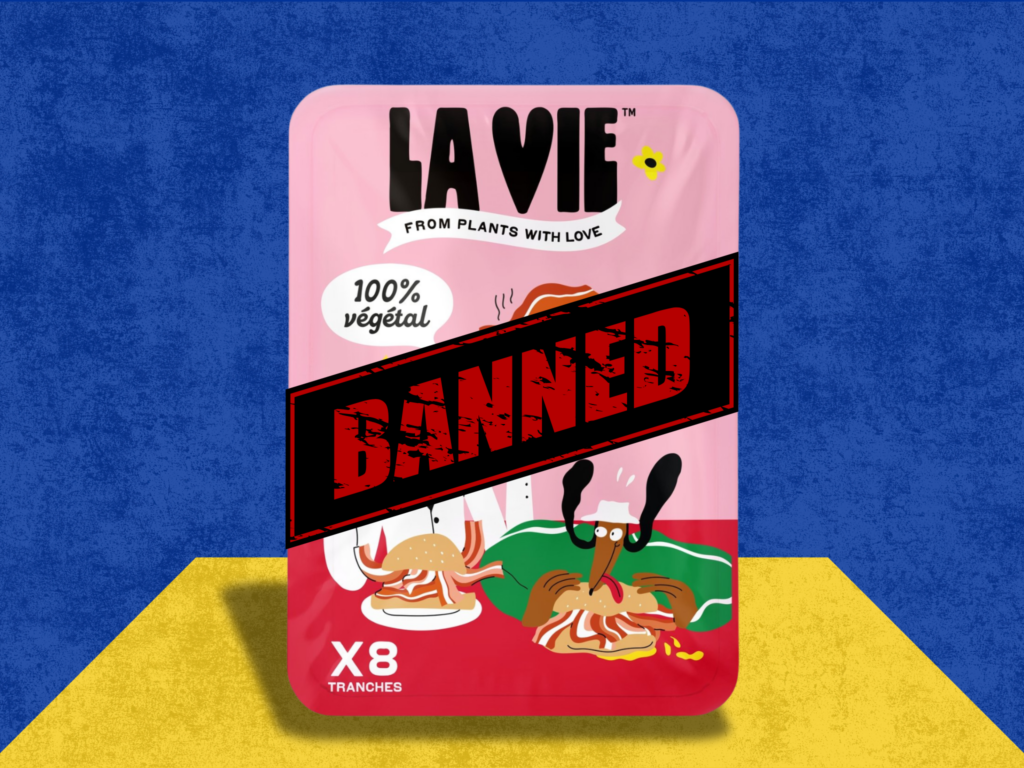
The EU has outlawed the use of 31 names on plant-based and cultivated meat labels. Here’s the full list:
- Beef
- Veal
- Pork
- Poultry
- Chicken
- Turkey
- Duck
- Goose
- Lamb
- Mutton
- Ovine
- Goat
- Drumstick
- Tenderloin
- Sirloin
- Flank
- Loin
- Ribs
- Shoulder
- Shank
- Chop
- Wing
- Breast
- Thigh
- Brisket
- Ribeye
- T-bone
- Rump
- Bacon
- Steak
- Liver
Other common terms that won’t be banned under the new regulations include:
- Burger
- Mince
- Sausage
- Nuggets
- Ham
- Schnitzel
- Chorizo
- Pastrami
How did we get here?
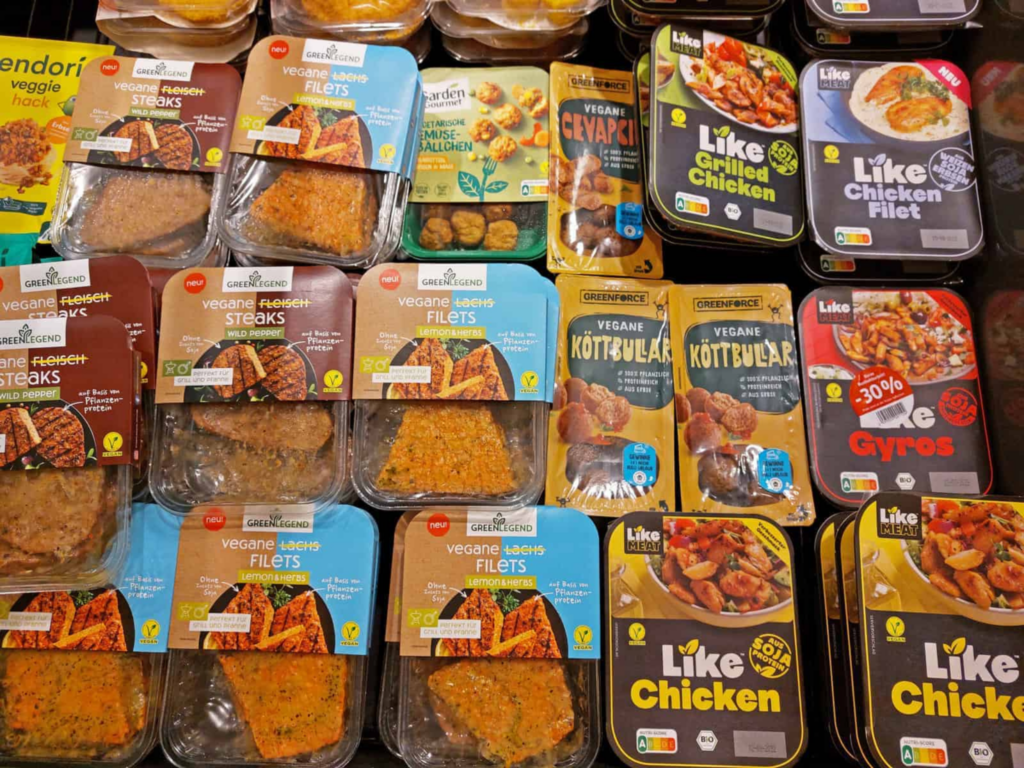
Efforts to ban vegan products from using ‘bacon’ and the like on their packaging aren’t new – it’s a conversation that has bubbled for a decade. And in 2020, the EU Parliament voted against a similar proposal. But today’s agreement undoes that decision.
It comes after months of negotiations in the bloc, sparked by a review of the Common Market Organisation (CMO) regulation in July. The proposal was floated by French lawmaker Céline Imart, a Parliamentary rapporteur and member of the centre-right EPP party.
She sought to prohibit plant-based food producers from using 29 words across the EU, with a knock-on effect in the UK, thanks to a recently signed trade agreement. In September, the EU Parliament’s 49-member agriculture committee voted to move ahead with the ban, a decision replicated by MEPs in a plenary session with a 355–247 vote a month later.
That moved the proposal forward to be discussed in the interinstitutional negotiations under Denmark’s presidency of the EU Council in December. But policymakers failed to reach an agreement on the ban then, instead pushing the decision to 2026, when Cyprus assumed the presidency.
In an interview with Green Queen at the time, Strolenberg explained why the EU failed to reach an agreement: “Since the meat denominations were an out-of-scope amendment, which was not taken up in the initial proposal of the Commission, the Council didn’t have a position on it.
“They had to develop a position while the trilogue negotiations were already going on. Since it’s such a politically difficult topic, it didn’t leave enough time for the Council.”
Strolenberg had bemoaned the support for the proposal from the centre-left Socialists & Democrats (S&D) party – whose opposition could have “[changed] the dynamic” – while highlighting the “very close contact between the rapporteur and pressure groups coming from the livestock industry”.
Consumers are not confused, spearheading opposition to ‘veggie burger’ ban
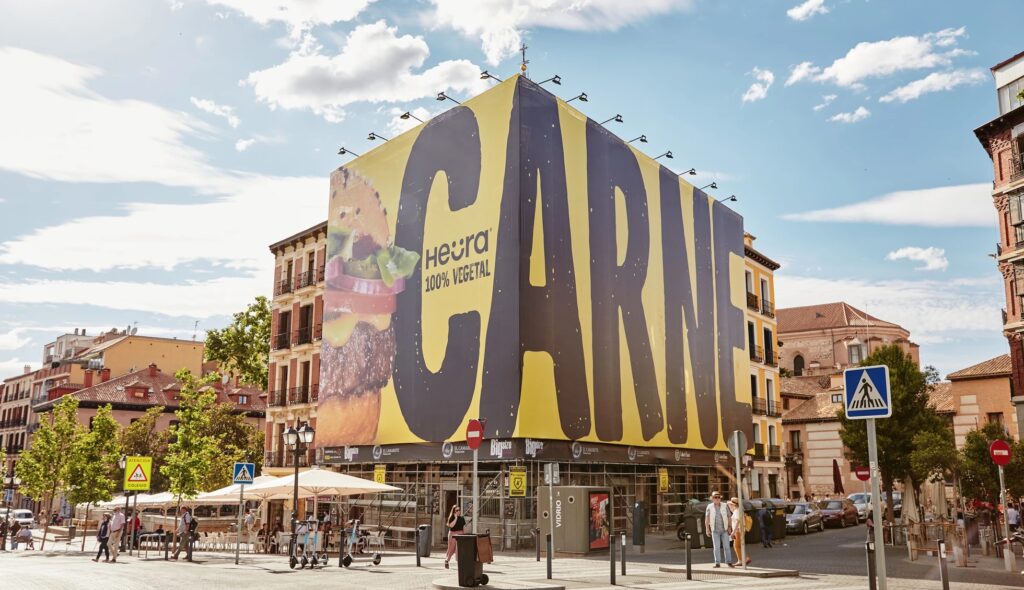
One of the chief factors cited by supporters of the ban is that labelling meat-free products the same way as meat would confuse EU citizens. However, study after study has debunked that theory.
In a large poll by the European Consumer Organisation in 2020, 80% of people said plant-based meat should be allowed to use such terms. In the 2023 Smart Protein survey, only 9% of citizens from nine member states said they didn’t recognise plant-based meat alternatives.
More recently, in a 20,000-person poll, 96% of Dutch consumers said a veggie sausage is, well, a veggie sausage. Nearly 70% opposed a labelling ban, and 63% didn’t think it was important to create regulations on this matter.
In a YouGov survey in late 2025, 92% of Brits say they’ve never bought, or cannot recall buying, a plant-based sausage or burger thinking it contained meat. And this year, a poll in Italy revealed that 90% of consumers who buy vegan products know what they’re putting on the plate.
It’s not just consumers – many lawmakers have criticised the ban too. Manfred Weber, head of the EPP (which Imart belongs to), called the ban unnecessary, telling reporters: “People are not stupid, consumers are not stupid when they go to the supermarket and buy their products.”
Strolenberg has been outspoken in her opposition. “Such types of useless ideological policies are exactly what give a bad name to the EU. In times of war, climate crisis, and democratic breakdown, where strong policies are lacking, we are discussing burgers and sausages. That’s not what people are waiting for, she told Green Queen in December.
A day before the previous trilogue, she delivered a symbolic petition to the Commission highlighting petitions with nearly 340,000 signatures from EU citizens, as well as an open letter signed by over 600 companies and organisations, both speaking out against the proposal.
In the UK, a group of eight MPs published an open letter urging the EU to reject the proposal, which would affect the British market thanks to a recently signed trade agreement. Celebrities like Sir Paul McCartney and his daughters, Mary and Stella, joined this call.
Plant-based meat labelling ban will hurt farmers, businesses and consumers
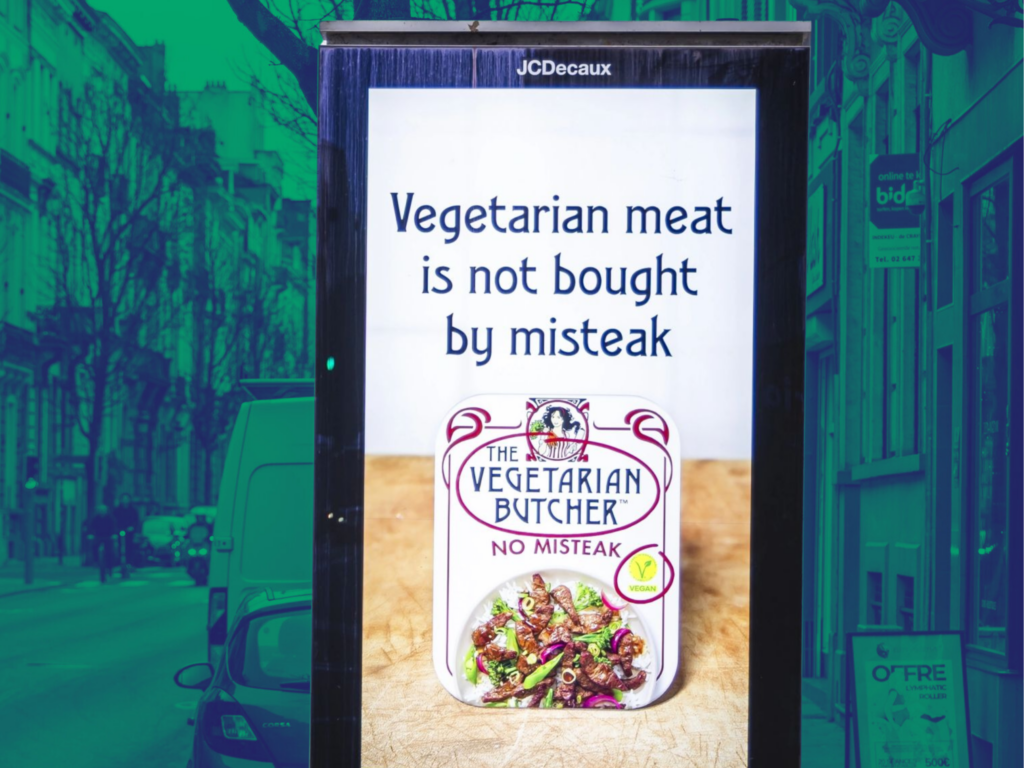
“It is incomprehensible that our policymakers are focusing on made-up issues, when the world is at crisis,” said Rafael Pinto, senior policy manager at the European Vegetarian Union. “We are happy that some common sense prevailed in the most frequently used words, but banning 31 words is not a censorship that makes Europeans proud.”
“This decision goes against several EU priorities such as increased competitiveness, innovation, food security, affordability, simplification and higher income for farmers producing the products,” he added.
Even the European Court of Justice agrees with this – last year, it ruled that no member state can prohibit companies from using these terms, warning that it could create more confusion for consumers.
Supermarkets, food producers and restaurants have resisted the measure, too. Last month, a group of 20 food companies – including Beyond Meat, Quorn, The Vegetarian Butcher, and Linda McCartney – penned an open letter asking the EU to reject the ban.
They argued that changing the labelling rules would force consumers to “learn a new, artificial lexicon that varies by jurisdiction”, and cause financial hurt to food businesses, especially small- and medium-sized enterprises.
“A sudden change in permitted terminology would impose disproportionate burdens on these operators, forcing rebranding, redesign, and legal review across multiple markets,” they explained.
Rob de Schutter, head of communications at WePlanet, summed it up: “This ban does not help a single farmer. It does not improve a single consumer’s life. It exists to protect niche political interests – nothing more.”