

South Korea’s TissenBioFarm Expands Cell Culture Tech to Coffee

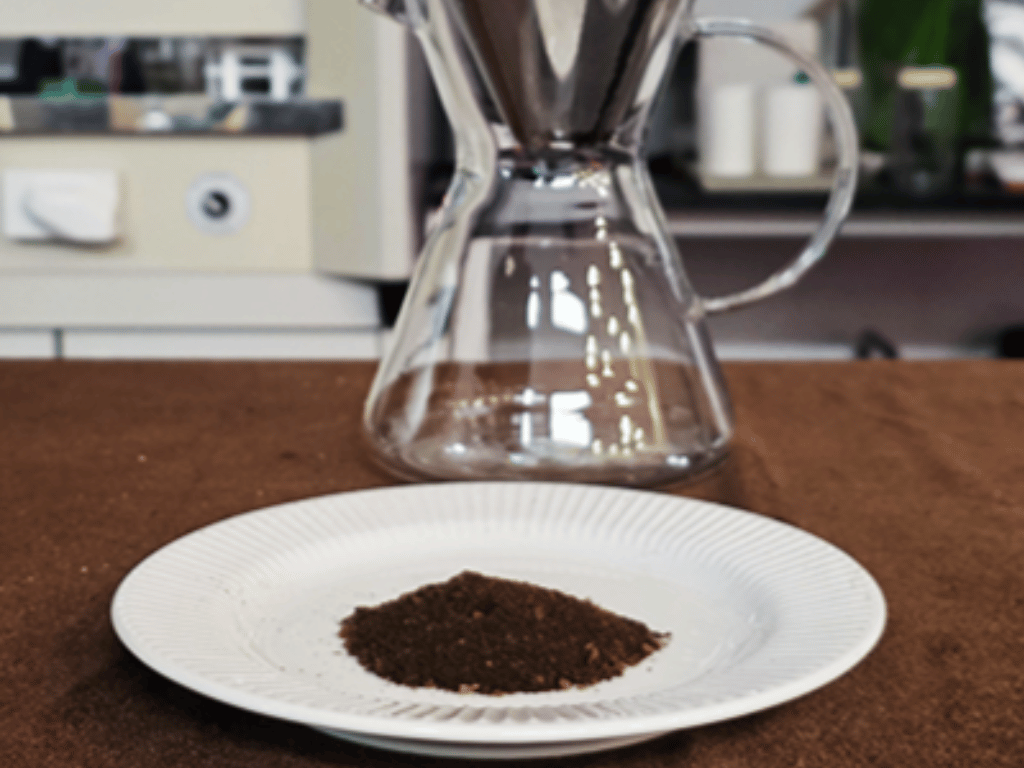
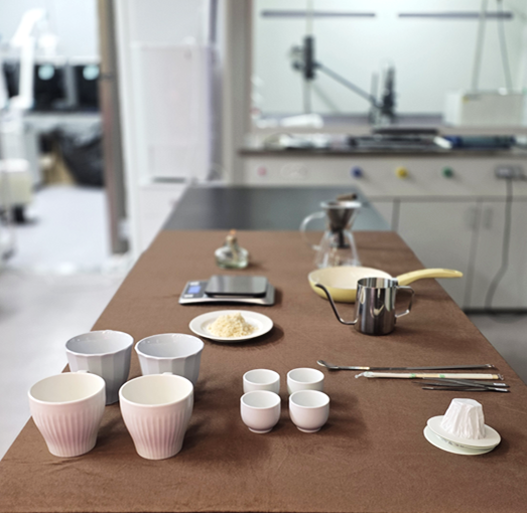
South Korean startup TissenBioFarm has conducted a tasting of its cell-based coffee, the latest addition to its portfolio of high-value-added cellular agriculture products.
One of South Korea’s pioneering cultivated meat companies is bringing its cell culture expertise to another distressed food industry: coffee.
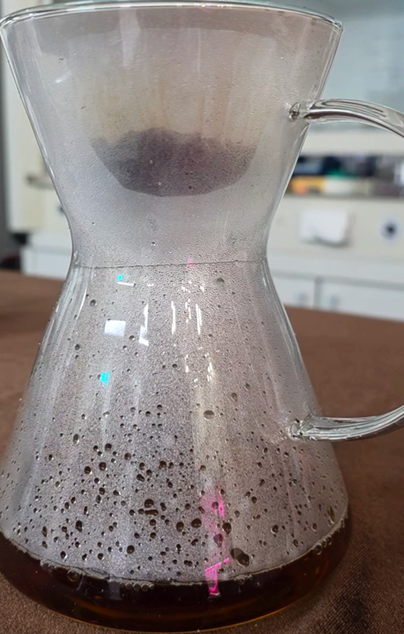
TissenBioFarm has held a tasting for its cell-based coffee, with the entire process carried out with its own cellular agriculture technology, from coffee callus induction and liquid culture of coffee cells to harvesting, roasting, and extraction.
It marks the first time this technology has been implemented and such a tasting has been conducted in the country, made possible through the firm’s collaboration with Colombian specialty coffee farm Café Nogales, which signed an MoU with TissenBioFarm last February for joint R&D and commercialisation of cell-based coffee.
Applying cell cultivation and biofabrication tech to high-value industries
TissenBioFarm develops future food and bio-based products based on edible biomaterials and biofabrication technology capable of “ultra-high-speed mass production”.
This tech, which was used to develop artificial organs at the Pohang University of Science and Technology, was transferred to cultivated meat production, enabling the firm to develop a process that could mass-produce these proteins with controlled texture and marbling.
The company is now expanding its business into high-value-added fields such as biomaterials and cell-cultured coffee, building on core technologies including edible bioink, ultra-low-cost cell culture, food-grade cell culture materials, and the aforementioned biofabrication platform.
The focus on coffee comes as the industry faces an uncertain future due to climate change. Research shows that 60% of coffee species are already endangered, and the tropical areas suitable for coffee cultivation are set to be halved by 2050.
Between 2021 and 2025, Brazil, Vietnam, Colombia, Ethiopia, and Indonesia – which represent 75% of the global coffee supply – experienced 57 extra days of harmful heat (above 30°C). The declining yields have pushed prices to all-time highs. In the US, the cost of coffee has risen by 47% over the past five years.
Coffee production itself is a culprit. A kg of coffee beans, on average, generates more greenhouse gases than the same amount of poultry and pig meat combined. Plus, it takes 140 litres of water to produce enough beans for one cup of coffee.
TissenBioFarm promises to accelerate cell-based coffee launch
TissenBioFarm noted that “increasingly severe extreme weather events pose a growing threat to the coffee industry”, pledging to “do its utmost in development to ensure that sustainable alternative coffee based on plant cell culture is released to the market in a timely manner”.
The company said the roasting process of the cell-based coffee released aromas intermittently, confirming the potential of plant cell culture for coffee production.
It is currently refining its culture conditions and roasting processes to better realise coffee’s unique flavour, as well as expanding the scale of its liquid coffee cell culture for mass production.
TissenBioFarm is among a number of companies using this tech to produce coffee fit for the future, including Pluri, California Cultured, and Coffeesai. Meanwhile, Amatera is leveraging an AI-powered plant cell biology platform to breed climate-resilient coffee varieties.
Others are sidestepping the bean altogether, using plant-based ingredients, and often fermentation, to produce coffee alternatives. This space is populated by the likes of Prefer, Koppie, Voyage Foods, Compound Foods, Atomo, Northern Wonder, Wake, and more.
Aside from its cell-based coffee breakthrough, TissenBioFarm is advancing its cultivated meat efforts, too. Last year, it claimed to be the first company in the industry to achieve cell density equivalent to that of conventional meat, and even exceeding it. It is currently validating its tech further, just as South Korea’s cultivated meat sector matures into one of the world’s leading markets.