

From Coffee to Wine, Amatera Raises $7M to Expand AI-Led Tech for Climate-Resilient Crops

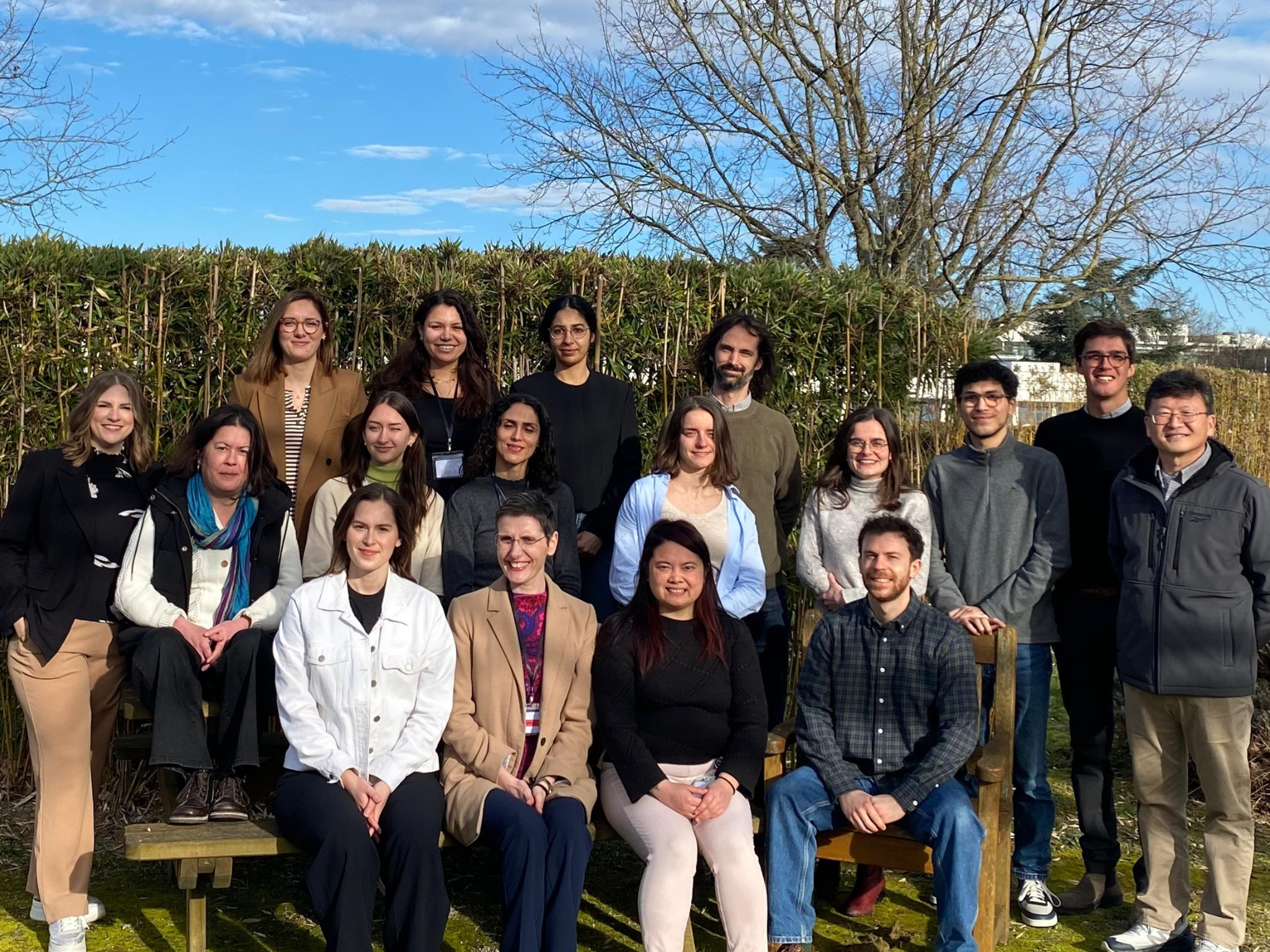
French agtech startup Amatera has closed a €6M ($7M) seed funding round to expand its AI-powered plant cell biology platform for climate-resilient crops, starting with coffee and wine grapes.
Two of the world’s favourite beverages are facing an existential crisis.
The tropical area suitable for growing coffee is set to be halved by 2050 – in Latin America alone, around 90% of coffee-growing areas could become unproductive by then.
On the other hand, global wine production has fallen to its lowest levels in 60 years, and some winemakers are having to water down their wine to tackle high alcohol levels, thanks to rapid grape ripening induced by rising temperatures.
The climate crisis is putting the future of these two commodities in peril, hastening the need for more resilient crop solutions. French startup Amatera is responding to this need by combining plant cell biology, automation, and artificial intelligence (AI) to develop high-value “perennial crops”, beginning with coffee and wine grapes.
To expand its non-GMO breeding platform, the firm has secured €6M ($7M) in a seed funding round co-led by Demea Sustainable Investment and Oyster Bay Venture Capital. In addtion, existing backers PINC, Mudcake, and Exceptional Ventures participated with follow-on investments, bringing its total raised to €7.5M ($8.6M).
Amatera will use the capital to grow its engineering and scientific teams, scale the automation and commercialisation of its genetics platform, and expand beyond coffee and wine grapes into annual crops, accelerating the breeding process across old and new technologies, such as gene editing, mutation breeding, and doubled haploids.
“This funding enables us to scale our technology from coffee and grapes to the staple crops that feed the world, while strengthening our R&D capabilities to industrialise our patented robotics and AI platform,” says co-founder and CTO Lucie Kriegshauser.
“Amatera directly addresses a structural bottleneck in crop development,” notes Divya Murthy, principal at Oyster Bay. “Resilient crops will not be optional in the future, and we believe Amatera is building a scalable technology the industry will increasingly rely on to meet this challenge.”
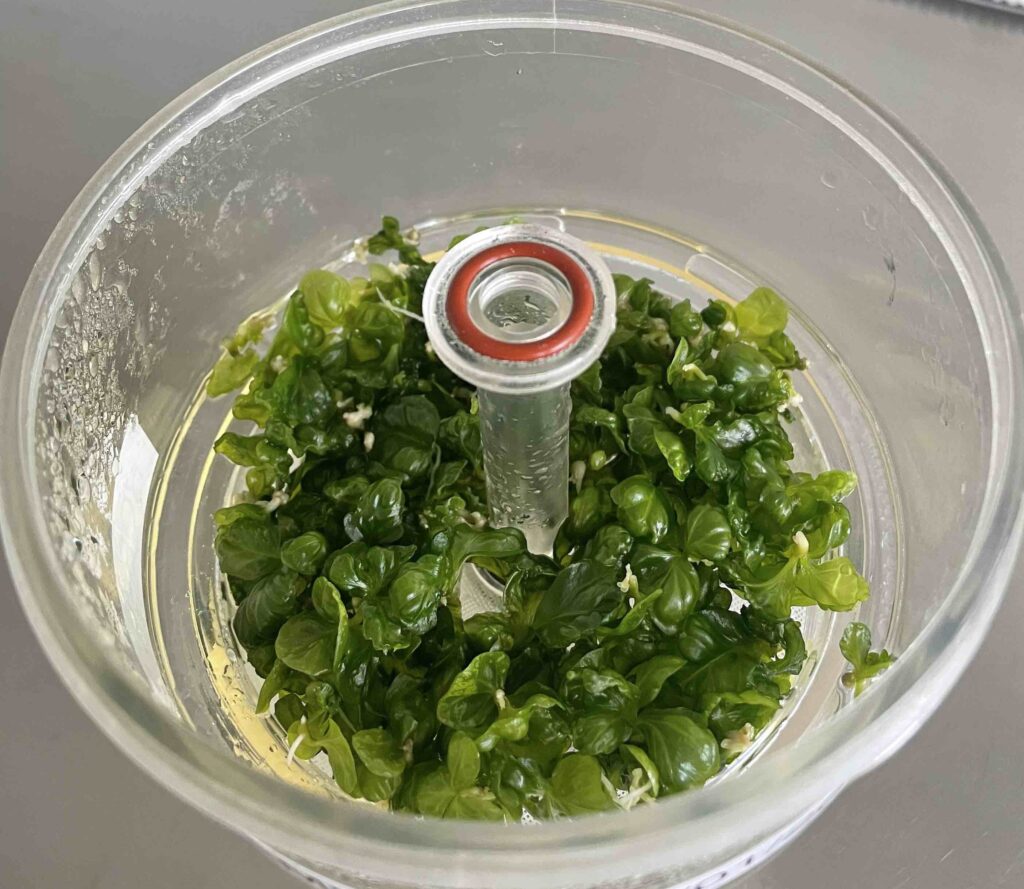
How Amatera uses AI to expedite climate-resilient crop breeding
Existing breeding technologies to generate and screen new plant varieties are time- and labour-intensive. For instance, it can take up to 20 years and millions of dollars to create a new coffee or wine variety with these techniques.
Amatera, however, automates the discovery of high-performing traits at the cellular level. “Traditionally, the breeding cycle is incredibly slow, but our platform allows us to bypass many of the manual bottlenecks,” co-founder and CEO Omar Dekkiche tells Green Queen.
“Depending on the specific crop, we are able to reduce that timeline by two- to threefold, bringing new varieties to life in a fraction of the time,” he adds. The process is also up to 10 times more cost-effective.
“Our technology focuses on the automated regeneration and screening of plant cell lines derived from a single-cell origin. We’ve integrated AI-driven selection to identify the most promising cell lines with high precision. This is paired with advanced robotics that handle the physical manipulation of these cells and accelerate our genotyping pipeline,” explains Dekkiche.
“This allows us to rapidly scan through thousands of candidates at a cellular level to pinpoint the rare few that possess our target genetic markers, [which] we then regenerate into plants.”
The startup has developed premium-tasting coffee varieties better suited to higher temperatures and increased pathogen pressure. This includes Robustica, which combines the elevated flavours of arabica with the higher yields of robusta, and an arabica variety that’s naturally caffeine-free.
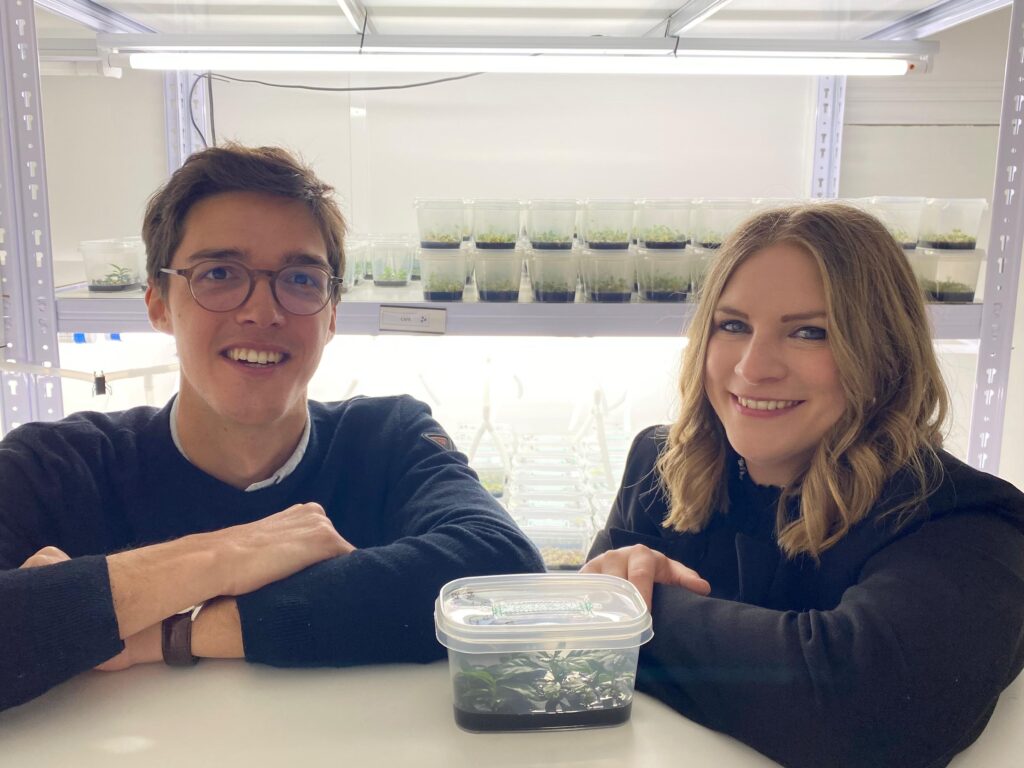
The development of both innovations is progressing well in the lab, according to Dekkiche. “We anticipate having the first lines ready for testing within the next two years,” he says.
“While our current coffee portfolio is focused on these two, we have recently expanded our research to develop a mildew-resistant wine grape, applying our technology to solve similar resilience challenges in the viticulture industry.”
Amatera is also building strategic partnerships with seed companies to deploy its cellular screening platform to tackle breeding challenges across row and vegetable crops. These efforts aim to compress R&D timelines, reduce costs, and increase throughput by automating labour-intensive processes like plant regeneration, tissue culture, and screening.
First coffee harvests expected in five years
The focus on coffee is yet another sign of the industry’s climate struggles – 60% of coffee species are already endangered, and things are worsening rapidly. Between 2021 and 2025, Brazil, Vietnam, Colombia, Ethiopia, and Indonesia – which represent 75% of the global coffee supply – experienced 57 extra days of harmful heat (above 30°C).
The declining yields have pushed prices to all-time highs. In the US alone, the cost of coffee is up by 47% from five years ago. Amatera’s climate-resilient crops address this issue too. “Our varieties are designed for efficiency, and we estimate they will be more than 25% cheaper to produce than conventional coffee,” says Dekkiche.
“Our strategy is built on licensing our proprietary varieties to major coffee agrifood players, including international trading houses and roasting companies. We are currently on track for our first harvests in the next five years.”
Since the company leverages natural mutations rather than gene editing, its crops avoid the GMO tag, making the regulatory path much more straightforward. “We don’t require the complex approvals associated with modified organisms,” says Dekkiche. “We simply follow the standard variety certification process required for any new crop entering the market.”
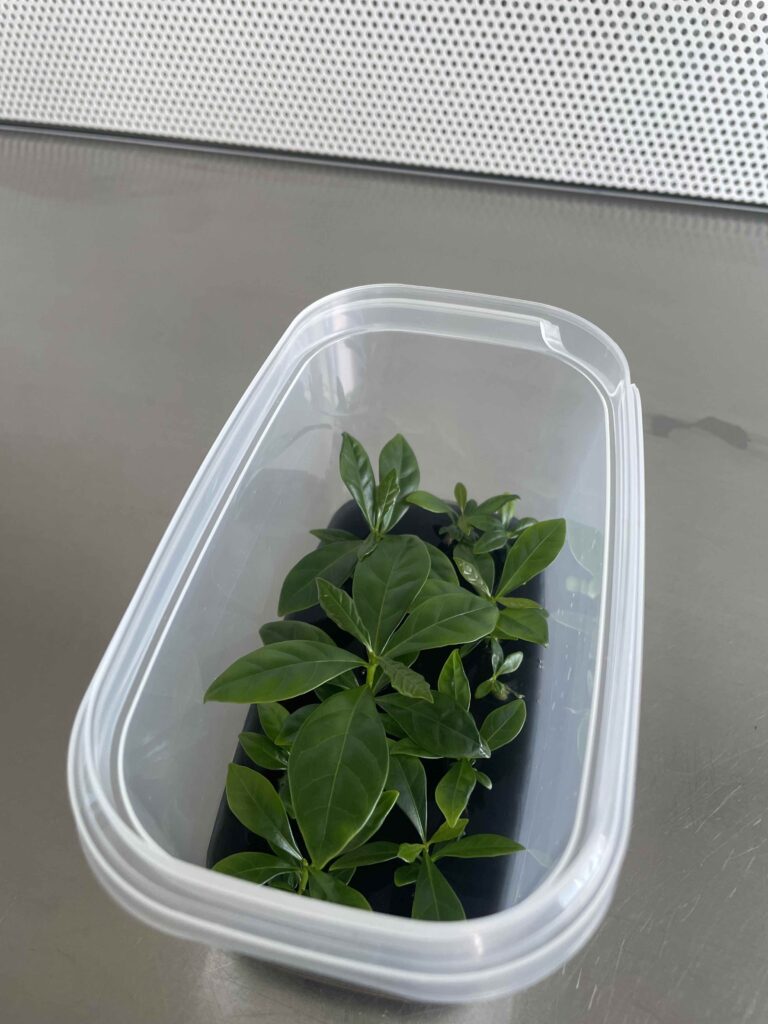
It isn’t the only company working on climate-resilient coffee. Nestlé has created Star 4, a high-yielding arabica variety said to be resistant to climate change and leaf rust, a fungal disease that decimates crops. And Starbucks has developed six arabica varietals that can withstand the climate crisis.
With these behemoths innovating in this space as well, how can Amatera end up a pioneer? “The industry giants primarily rely on conventional breeding, which is a slow, manual process requiring massive greenhouse and field footprints,” Dekkiche explains.
“Amatera has pioneered a unique biotech x AI x robotics approach that is significantly faster and more cost-effective. We don’t necessarily see these companies as competitors; we see them as strategic partners who can license our varieties or utilise our technology to accelerate their own breeding goals.”
Aside from crop breeding, some innovators are turning to plant cell culture to grow coffee, like Pluri, California Cultured, and Coffeesai. Others are making bean-free versions with more sustainable ingredients and technologies like fermentation – these include Prefer, Koppie, Voyage Foods, Compound Foods, Atomo, Northern Wonder, and Wake.