

Brazil’s Cellva Brews Up $4M in Funding to Turn Coffee Waste Into Cocoa-Free Chocolate

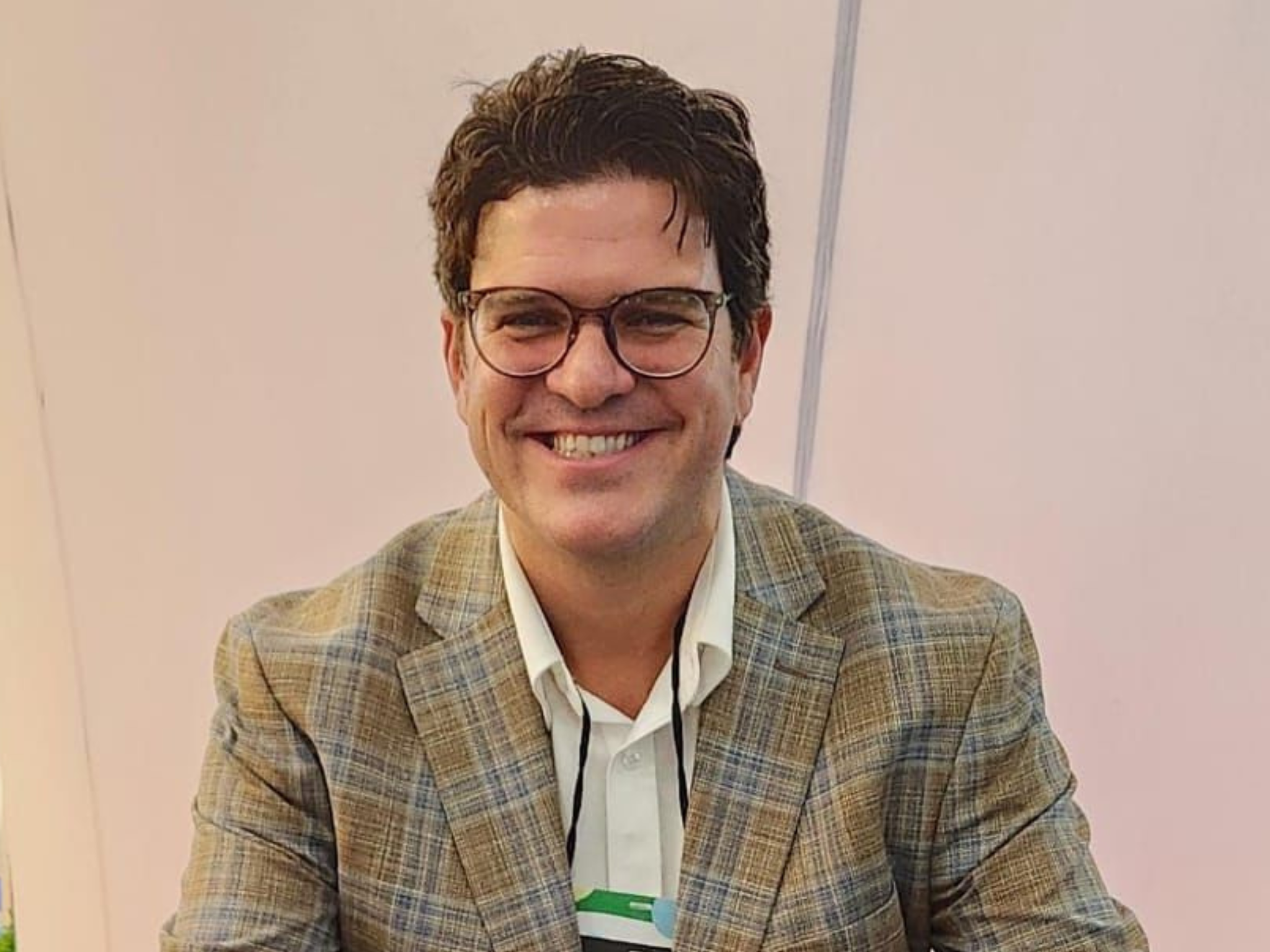
Brazilian food tech startup Cellva Ingredients has raised R$20M ($3.8M) in pre-Series A funding to scale up its chocolate alternative made from coffee husks.
Cellva Ingredients, a startup producing cocoa-free chocolate from coffee waste, has received a big boost in its bid to transition from the tech validation stage to industrial-scale execution.
The Brazil-based firm has secured R$20M ($3.8M) in a pre-Series A round led by DigiBoard, with additional participation from existing backers such as Air Capital and angel investors like Rubens Pereira. It takes Cellva’s total raised to R$28.5M ($5.4M).
“The funding is supporting Cellva’s next growth phase as we scale our industrial biotech platform and move into broader commercial deployment,” co-founder and CEO Sérgio Pinto told Green Queen.
“More broadly, the capital is being deployed towards industrial scale-up in Brazil, strengthening our supply chain, continued R&D on our platform, and international commercial expansion,” he added.
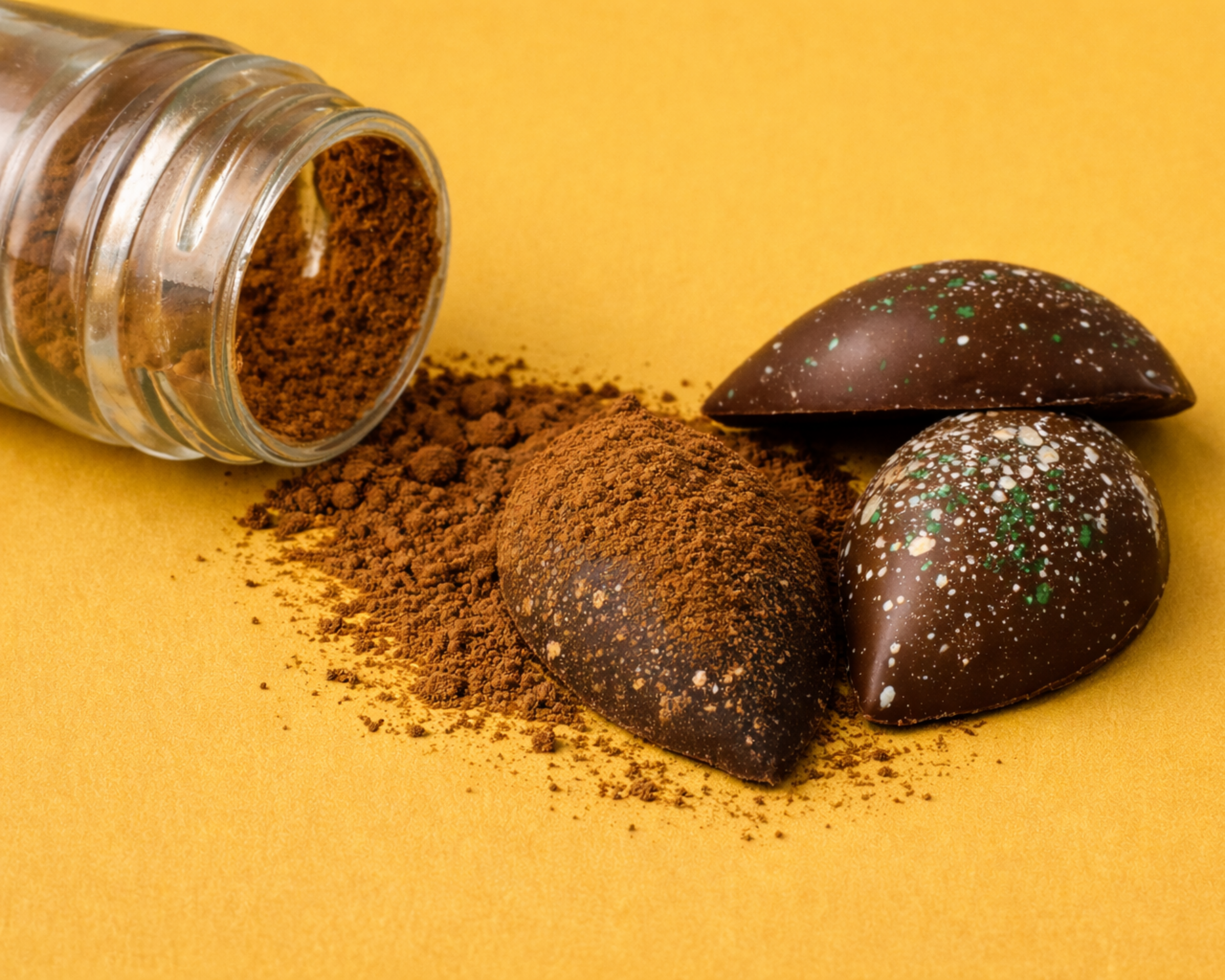
Coffee-derived chocolate offers nutrition, economic and climate wins
Founded in 2022, Cellva was originally working on cultivated pork fat, then later pivoted to its upcycled ingredient platform, with cocoa-free chocolate its first focus.
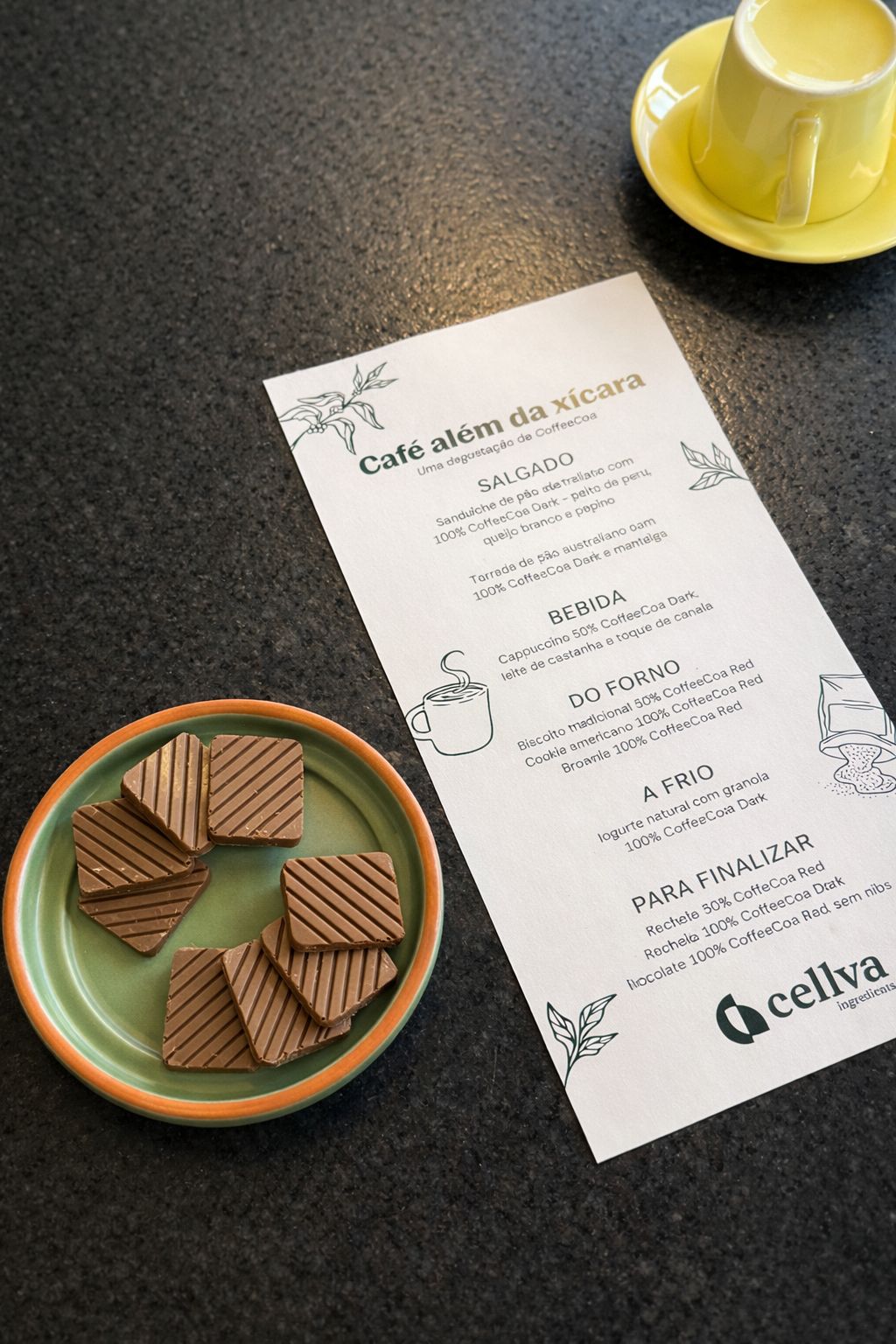
The company’s ingredient, called CoffeeCoa, can replace up to 70% of cocoa in various applications, including bakery, confectionery, beverages and nutrition. The firm uses coffee production byproducts like parchment (a thin cellulose layer protecting the coffee bean) and silver skin (the inner-most covering that falls off during roasting and turns into chaff).
It obtains a bioactive extract from coffee husks sourced from Bahia, which is microencapsulated to ensure better stability and sensory properties. This can then be incorporated into any food matrix, including chocolate formulations.
CoffeeCoa has a naturally sweet profile and is rich in antioxidants and fibre, helping improve digestion, boost satiety, and enhance metabolic health.
It also offers some major sustainability benefits. As the world’s largest producer of coffee, Brazil is responsible for a lot of waste that comes from the sector. In 2017, its industry was responsible for over 3.3 million tonnes of organic waste. Much of this waste gets discarded – according to the International Coffee Organization, the sector generates over 40 million tonnes of biomass annually.
Meanwhile, the chocolate industry itself is a leading source of greenhouse gas emissions and deforestation, and faces some existential threats from the climate crisis. Global cocoa stocks fell to their lowest in a decade in late 2024, with prices reaching all-time highs. And if the situation is left unaddressed, a third of all cocoa trees could die out by 2050, widening the supply gap.
Cellva predicts that its coffee-waste-derived chocolate alternative could save the food industry $435M every year, a figure that reflects the market potential for sustainable and functional ingredients covering both the food and nutraceutical sectors.
Cellva gears up for large-scale production with new facility
“Brazil holds some of the world’s most structured agricultural chains,” Pinto said in a statement. “Our ambition is to transform those chains into scalable ingredient platforms, generating value at origin while delivering industrial reliability to global manufacturers.”
By building its platform within Brazil, Cellva is operating close to origin and ensuring full traceability from farm to finished ingredient. It partners directly with coffee producers in regulated regions to ensure a transparent and compliant production ecosystem.
The company was producing gram-scale pilot batches in 2024, but projects processing around 2,000 tonnes of raw material into finished products by this year.
“In the coming months, we’re preparing for our first large-scale production cycle of CoffeeCoa, which will mark an important step in expanding supply and supporting new customer launches,” Pinto told Green Queen.
As part of this, it will implement a semi-industrial R&D and processing centre in the Amazon capital, Manaus, which will be equipped with spray-drying capabilities.
Cellva is already supplying CoffeeCoa to industrial bakery manufacturers, chocolate processors, and food companies looking for stable alternatives to cocoa solids in Brazil. Plus, it’s advancing commercial discussions with clients in Europe, Asia, and the US.
It is one of several food tech startups innovating with cocoa alternatives amid growing interest from Big Chocolate companies like Lindt, Barry Callebaut, Cargill, and Mondelēz International. These include cocoa-free chocolate makers like Planet A Foods, Voyage Foods, Foreverland, Win-Win, and Prefer, and cell-based cocoa producers such as California Cultured, Food Brewer, Celleste Bio, and Kokomodo.