

Trump Administration Sued Over Meat & Dairy Influence in US Dietary Guidelines

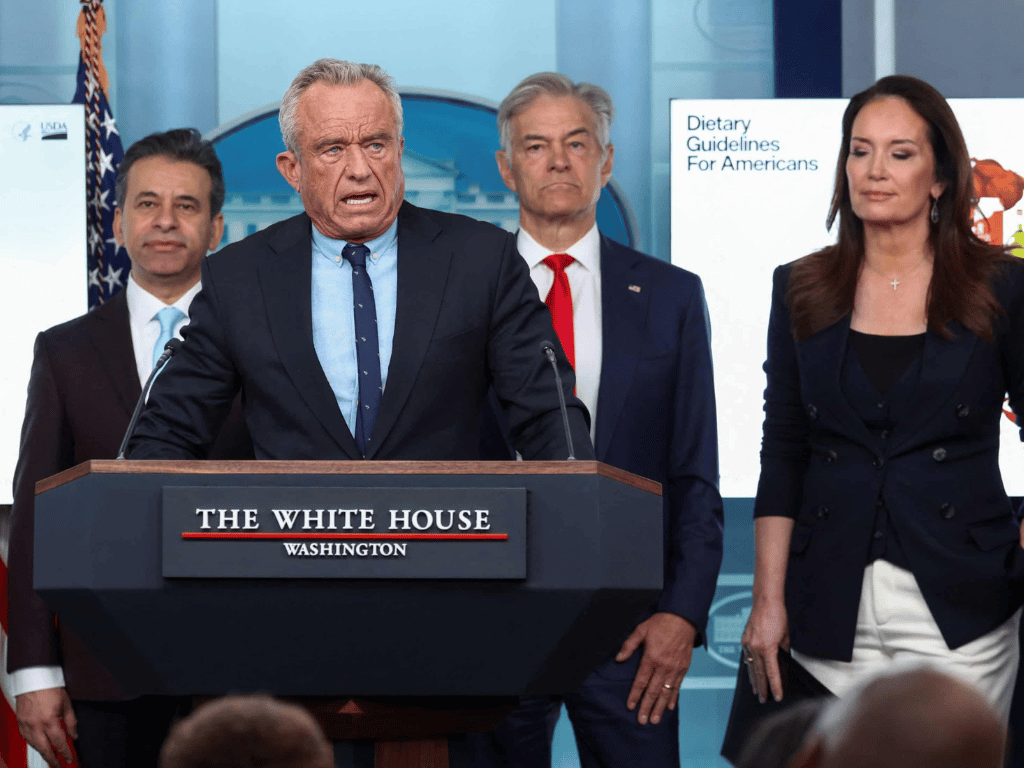
The US government has been sued for appointing a “secret panel” of meat and dairy lobbyists to issue the new dietary guidelines, and a court has been asked to order the Trump administration to withdraw the recommendations.
A group of physicians has sued the US government for enabling “inappropriate influence” from the meat and dairy industry in its controversial 2025-30 dietary guidelines.
In a lawsuit filed with the US District Court for the District of Columbia, the Physicians Committee for Responsible Medicine (PCRM) argues that the Trump administration “hastily assembled a handpicked panel of meat, dairy, and fad diet industry insiders” to replace the independent Dietary Guidelines Advisory Committee (DGAC) and its two years of work.
Although the government had vowed to “toss out the people who were writing the guidelines with conflicts of interest”, PCRM notes that the new “secret panel” of advisors was “rife with conflicts of interest”.
The resulting guidance endorsed the consumption of beef, pork, and other red meats, put whole milk back into the spotlight, and promoted butter and tallow, despite the recommendation to keep saturated fat intake under 10% of total calorie intake.
“The government allowed the meat and dairy industries to ghostwrite the dietary guidelines,” said PCRM president Neal Barnard. “They put money in industry’s pocket and cholesterol in Americans’ arteries.”
The lawsuit is asking the court to order the Trump administration to withdraw the advice and forbid government agencies from using them in any future decisions while they develop new guidelines in compliance with the Federal Advisory Committee Act (FACA), as has been the longstanding practice.
How the US government discarded scientific advice with livestock-linked panel
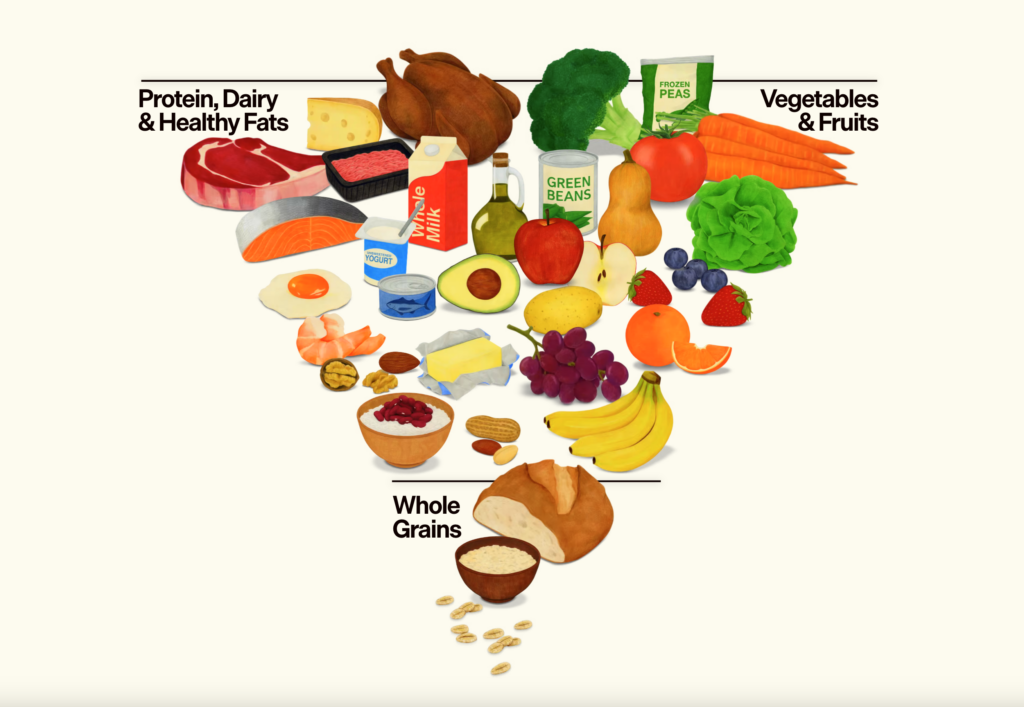
In every edition of the dietary guidelines, the US Department of Health and Human Services and the Department of Agriculture (USDA) follow the FACA in establishing an advisory committee to write a scientific report that serves as the foundation for the recommendations.
The DGAC was established in January 2023, comprising 20 independent nutrition experts, and after two years of open hearings and public consultation, it published a scientific report that suggested prioritising plant-based proteins over animal sources.
When President Donald Trump took office, his administration “disregarded federal law through a procedural bait and switch”, installing a new panel of experts in a quicker, less transparent process that excluded public engagement and whose existence was only revealed when the guidelines were published.
The FACA mandates that an advisory committee “will not be inappropriately influenced by the appointing authority or any special interest”, but eight of the nine members of this “secret panel” had received some form of funding from the livestock industry, creating a conflict of interest.
Three have received grants or performed consulting work for the National Cattlemen’s Beef Association, and of these, one was also awarded a research grant from the National Pork Board (where they serve as an advisor).
Five members (including some of the above) have financial ties to dairy industry groups, such as the National Dairy Council and Dairy Management Inc. Another is the co-founder of HLTH, a high-protein meal replacement brand centred on whey, egg whites, and hydrolysed grass-fed collagen.
Further, more than half of the panellists have relationships with organisations linked with the USDA’s checkoff programmes, which “promote food commodities without regard to their ill health effects”, according to PCRM. They are, however, statutorily prohibited from influencing governmental policy or action.
Dietary guidelines ‘pose dangers’ to children and vulnerable groups
Instead of the two years it usually takes for the DGAC to produce its scientific report, the Trump administration’s panel only took three months and did not involve any comprehensive food pattern modelling.
“Defendants then published dietary guidelines that are not based on the preponderance of scientific evidence and instead embrace saturated fats, halve the recommended fruit and vegetable servings, remove daily alcohol intake limits, and promote fad diets for use as medical treatment for ‘individuals with certain chronic diseases’,” the lawsuit states.
It argues that the recommendations “pose dangers” to children as school food programmes are required to adhere to them, individuals with medical conditions who might follow the “baseless medical advice”, and Americans at risk of diet-related conditions like obesity, cardiovascular disease, or type 2 diabetes.
“The dietary guidelines instruct the public to increase consumption of meat, serving the interests of the National Cattlemen’s Beef Association and other livestock industry entities,” the complaint claims. “[They] reinforce this dangerous recommendation with exaggerated and erroneous statements regarding vegetarian and vegan diets, in marked contrast to scientific evidence and prior editions of the dietary guidelines.”
PCRM previously sued the US government ahead of the 2000 guidelines, when six of the 11 advisory committee members had financial ties to the livestock sector. A federal judge agreed that the administration had violated the FACA and the Freedom of Information Act. It also challenged improprieties in the 2010, 2015, and 2020 guidelines in federal courts.
Industry-influenced dietary guidelines “destroy any semblance of healthfulness” in federal initiatives like the National School Lunch Program, the Special Supplemental Nutrition Program for Women, Infants, and Children (WIC), and the Supplemental Nutrition Assistance Program (SNAP) for low-income families, Barnard said.
The 2025-30 guidelines have been roundly criticised by everyone from health and nutrition experts to MAHA moms. NYU Professor Emerita Dr Marion Nestle, one of the leading voices on American health, said the recommendations “take us back to the diets of the 1950s”, adding that asking people to eat more protein “makes no sense” since they already consume enough.
The Center for Biological Diversity and the Center for Science in the Public Interest released an alternative “uncompromised” version of the dietary guidelines, showing what the Trump administration’s recommendations would look like “if they had actually followed scientific consensus”.
The American Heart Association published its own guidelines that prioritised whole foods and plant-based proteins and oils over meat and animal fats, just as an open letter co-signed by MAHA-aligned groups urged the Trump administration not to increase the current requirement of meat in schools.