

MycoTechnology Cleared to Sell Honey Truffle Protein 2,500 Times Sweeter Than Sugar

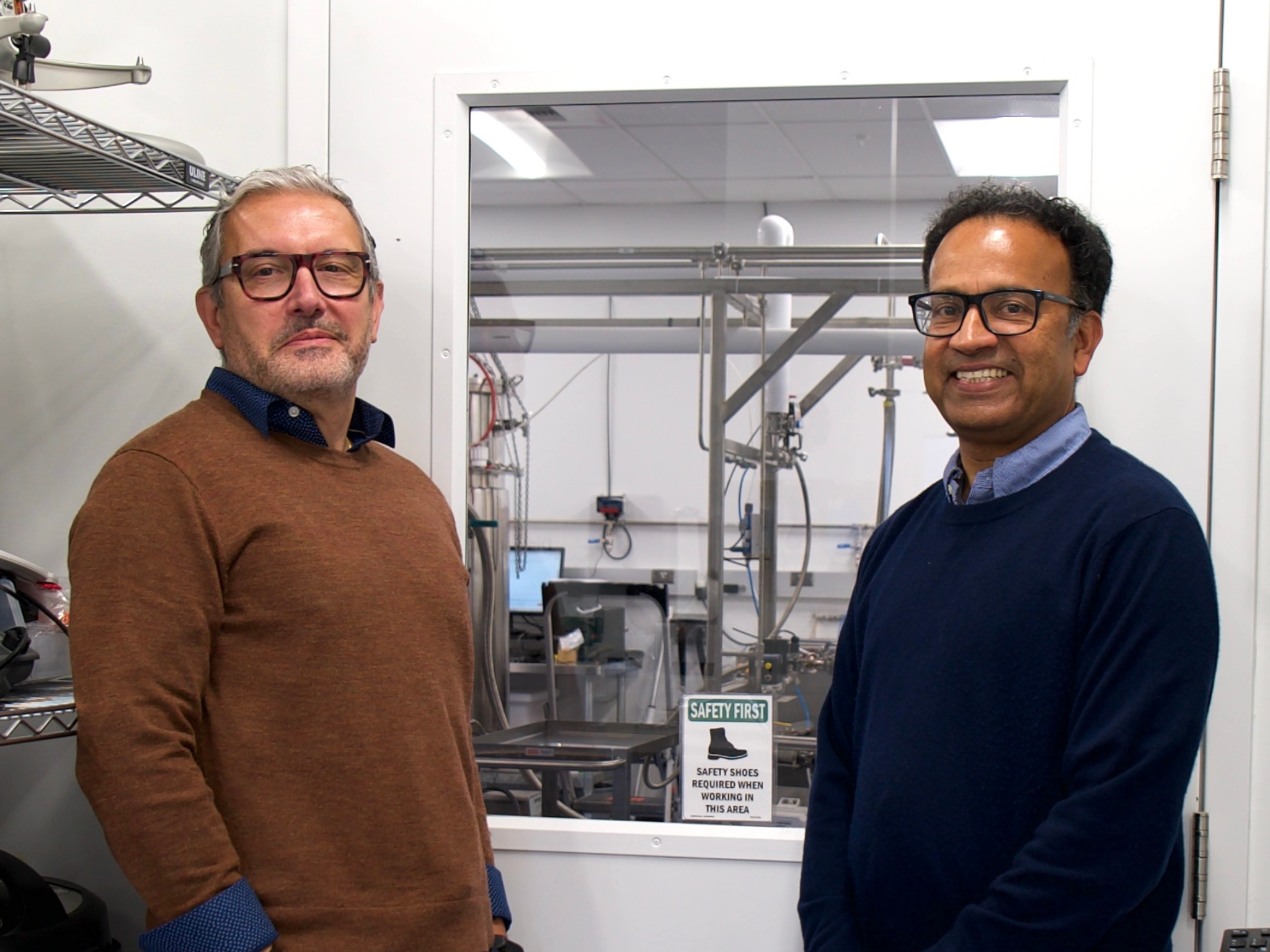
US food tech startup MycoTechnology has secured self-affirmed GRAS status for Zukora, its precision-fermented sweet protein from honey truffles, and has scaled up to commercial batches.
With companies in the US scrambling to reformulate their food and drink products to fit the GLP-1 mould, ‘sweet protein’ makers are hoping to capitalise on this shift.
These alternative sweeteners are derived from natural proteins, produced via fermentation, and exponentially sweeter than sugar, and offer gut health benefits with no blood glucose impact.
Colorado-based MycoTechnology has become the latest to enter this market commercially, obtaining self-determined Generally Recognized as Safe (GRAS) status for its sweet protein derived from Hungarian honey truffles.
This clears the way for the firm to sell its ingredient, called Zukora, to food and drink manufacturers, having expanded from pilot-scale production to manufacturing batches.
But with the self-affirmed GRAS rule under threat, MycoTechnology has also filed a dossier for formal review by the US Food and Drug Administration (FDA).
“We have seen the FDA issue ‘no questions’ letters anywhere from 9 to 18 months from the date the GRAS notice submission is made. We understand that the FDA has a full workload and moves at its own pace,” Sue Potter, VP of global regulatory affairs and quality management at MycoTechnology, tells Green Queen.
A gut-friendly sugar alternative fit for the GLP-1 era
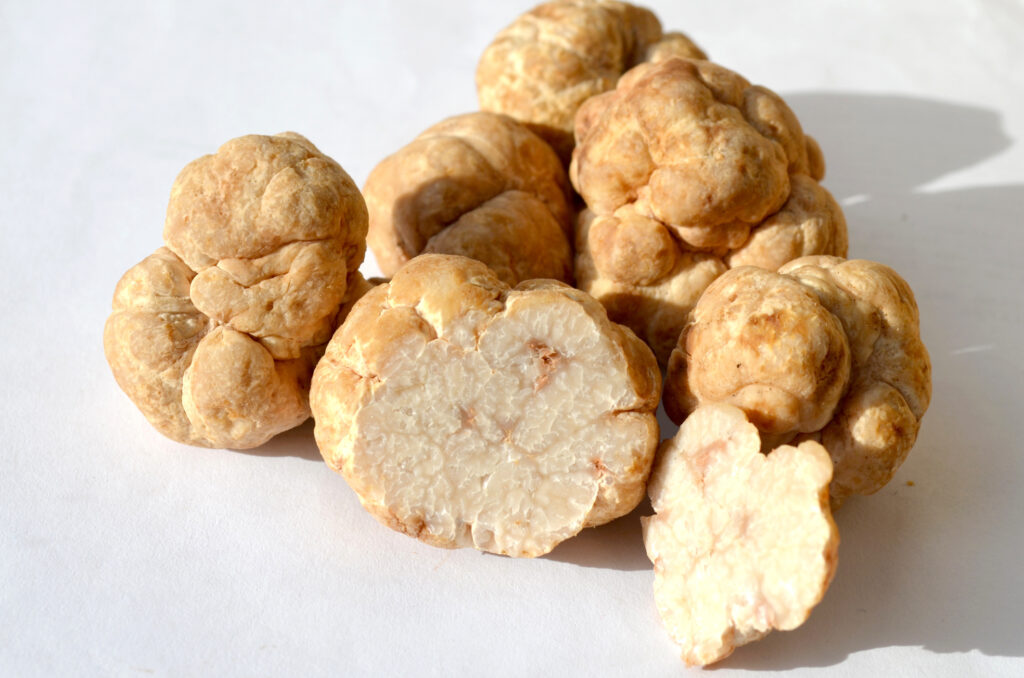
MycoTechnology isolates the protein responsible for the sweetness in honey truffles and leverages precision fermentation to produce it. The tech involves inserting DNA into microbes to teach them to produce specific compounds when fermented.
The food tech firm has already commercialised two flavour ingredients derived from mycelium fermentation. ClearIQ can mitigate bitter and astringent notes in products (including the off-flavours of plant proteins) and enhance fruity and indulgent flavours, and ClearHT can intensify the perception of certain desirable flavours, extend cooling sensations, and reduce burnt, smoky or chemical notes.
The startup uses culinary mushroom mycelium strains and pairs them with ideal substrate and growing conditions to maximise growth and set the mycelia on the desired metabolic pathway. The fermentation process takes place in highly specialised bioreactors, and the resulting compounds undergo a series of production techniques to create ingredients for commercial use.
Its truffle-based sweetener was first unveiled in 2023, and is now available under the Zukora brand. The ingredient is said to have no off-notes, bitterness, or unpleasant aftertastes, and can be used in applications ranging from low- and no-sugar chocolates and protein bars to functional beverages and powdered supplements.
“Zukora is up to 2,500 times sweeter than sucrose (depending on application) and has a cost-in-use competitive with sugar,” CTO Ranjan Patnaik tells Green Queen. It means that one teaspoon of the protein can replace up to 216 teaspoons of sugar. “Plus, future economies of scale project the cost-in-use to become competitive against other high-intensity sweeteners.”
The ingredient offers some crucial health advantages, too. “[It] is gut-microbiome-friendly, based on studies conducted to date. It is a fully digestible protein that is broken down in the gastrointestinal tract into common amino acids, similar to proteins found in everyday foods,” notes Potter.
This fits well into the growing market for GLP-1 drugs like Ozempic and Mounjaro, which have helped place a spotlight on gut health and put people off sugar amid rising obesity rates.
“We know that these consumers want to reduce sugar, and like all sugar-reducer consumers, they want to keep the same, great taste without any bitter notes,” Patnaik says, outlining how Zukora is a “high-intensity sweetener with a clean sweetness”.
MycoTechnology ‘actively working’ with many companies to launch sweet protein
According to a 2025 survey by the International Food Information Council, 75% of Americans are actively trying to limit or avoid sugar. And among these consumers, 63% were specifically targeting added sugars, and the same share were concerned about how much sugar they consume.
And while 41% of people still have a negative perception of low- and no-calorie sweeteners, this is down from 45% in 2018. On the flip side, the share of consumers who view these alternatives favourably rose from 23% in 2018 to 27% last year.
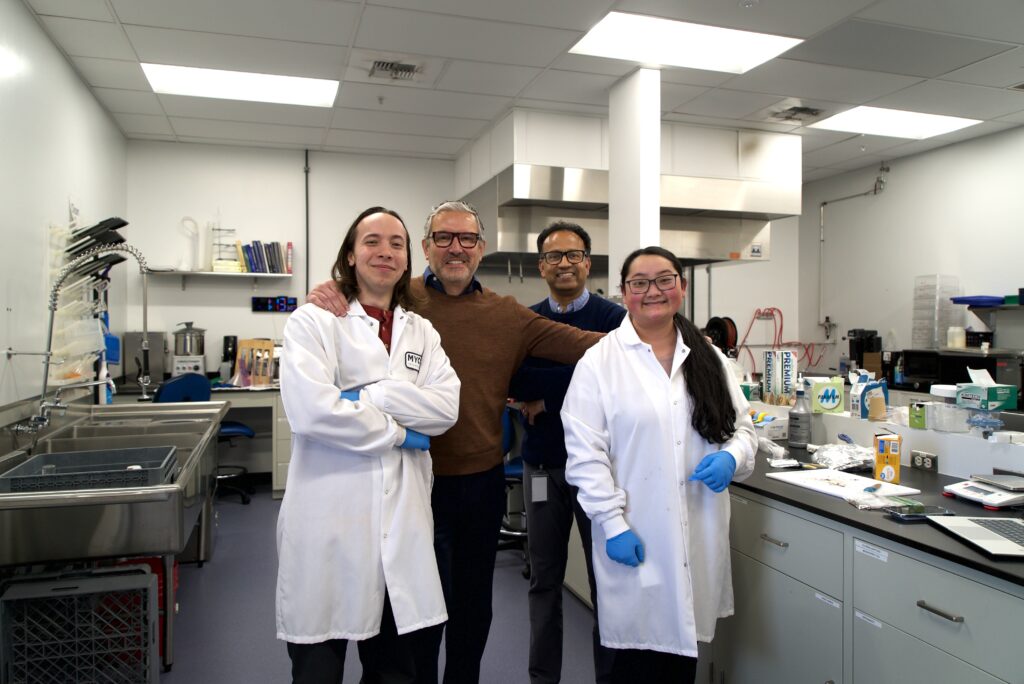
MycoTechnology, which has raised $220M to date, operates an 86,000 sq ft facility in Aurora, Colorado, and has scaled up its sugar reduction solution to help manufacturers create better-for-you products that deliver on taste. Its honey truffle sweet protein can be used as a single sweetener, or in blends with other options.
Coupled with the self-affirmed GRAS status, the scalability will enable rapid consumer adoption of Zukora in the US. “This landmark is the result of a multi-year discovery journey and signals a meaningful step forward in sugar reduction,” says CEO Jordi Ferre.
“By combining our scientific expertise with a steadfast commitment to improve the food supply, our team unlocked a transformative new food and beverage ingredient that redefines sugar reduction,” he adds.
David Gallagher, the firm’s VP of sales in North America, tells Green Queen: “We are actively working with many food and beverage companies, including functional beverages (sports nutrition powders, protein shakes, powdered supplements), bars (nutrition/protein/cereal) and confectionery to assist them in reformulation and product development work, especially those prepared to launch with self-affirmed GRAS status.”
He adds: “While we do not control their product development and launch timelines, we are excited about the progress and feedback received so far.”
MycoTechnology’s GRAS determination comes a month after Amai Proteins received the FDA green light for Sweelin, its monellin-based sweet protein. Oobli also has FDA approval for three sweet proteins in the US. Others in the sweet protein space include California’s Sweegen, Colorado-based MycoTechnology, and Chilean company Naturannova.