

California Certified: America’s Largest State Proposes Non-UPF Label for Food Producers & Supermarkets

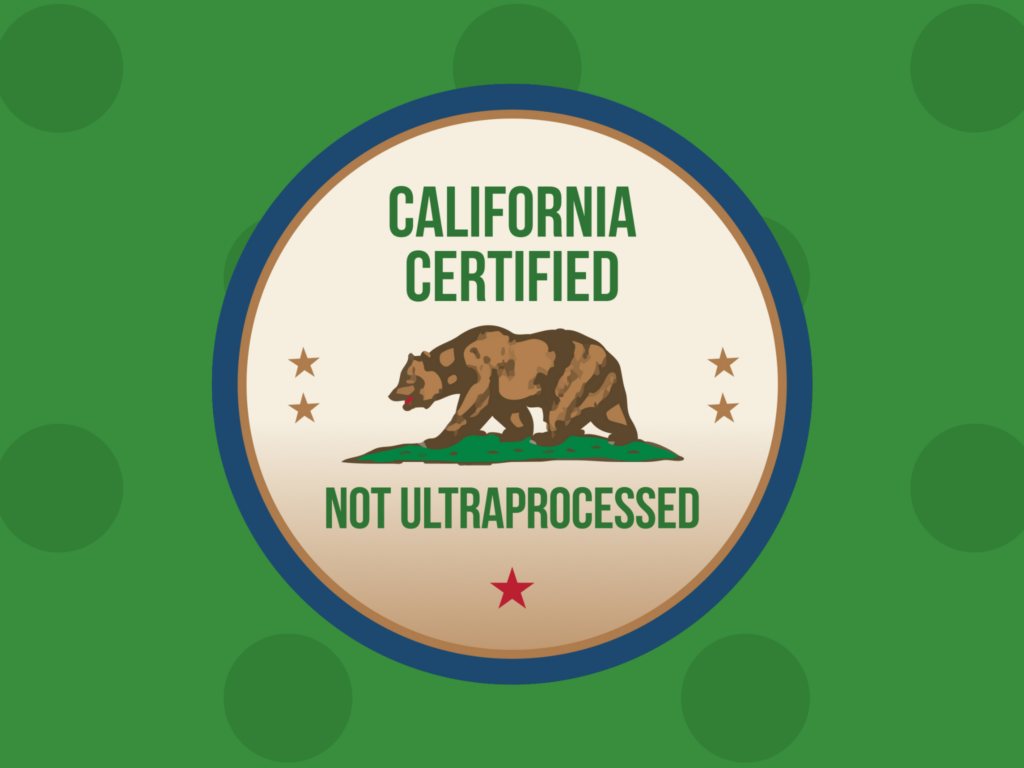
California is considering a new bill seeking to create a non-ultra-processed seal that food manufacturers can use on packaging, and grocery stores would be required to prominently display.
Taking a leaf out of the organic food playbook, California is stepping up its fight against ultra-processed foods (UPFs).
The state is now considering a bill that would create a ‘California Certified’ seal that food producers can label their packaging with if they meet certain criteria. It would also require supermarkets to display these accredited products in “prominent, high-traffic” areas of their stores.
The seal is modelled after the USDA Organic label and designed to “empower consumers with clear, trustworthy information and make it easier for them to locate healthier foods that are free from harmful additives”, said Assemblymember Jesse Gabriel, who authored AB 2244.
“While Washington DC is paralysed by inaction, California is stepping up to protect our kids and confront the health risks associated with ultra-processed foods,” he said.
‘California Certified’ seal would follow state’s definition of ultra-processed foods
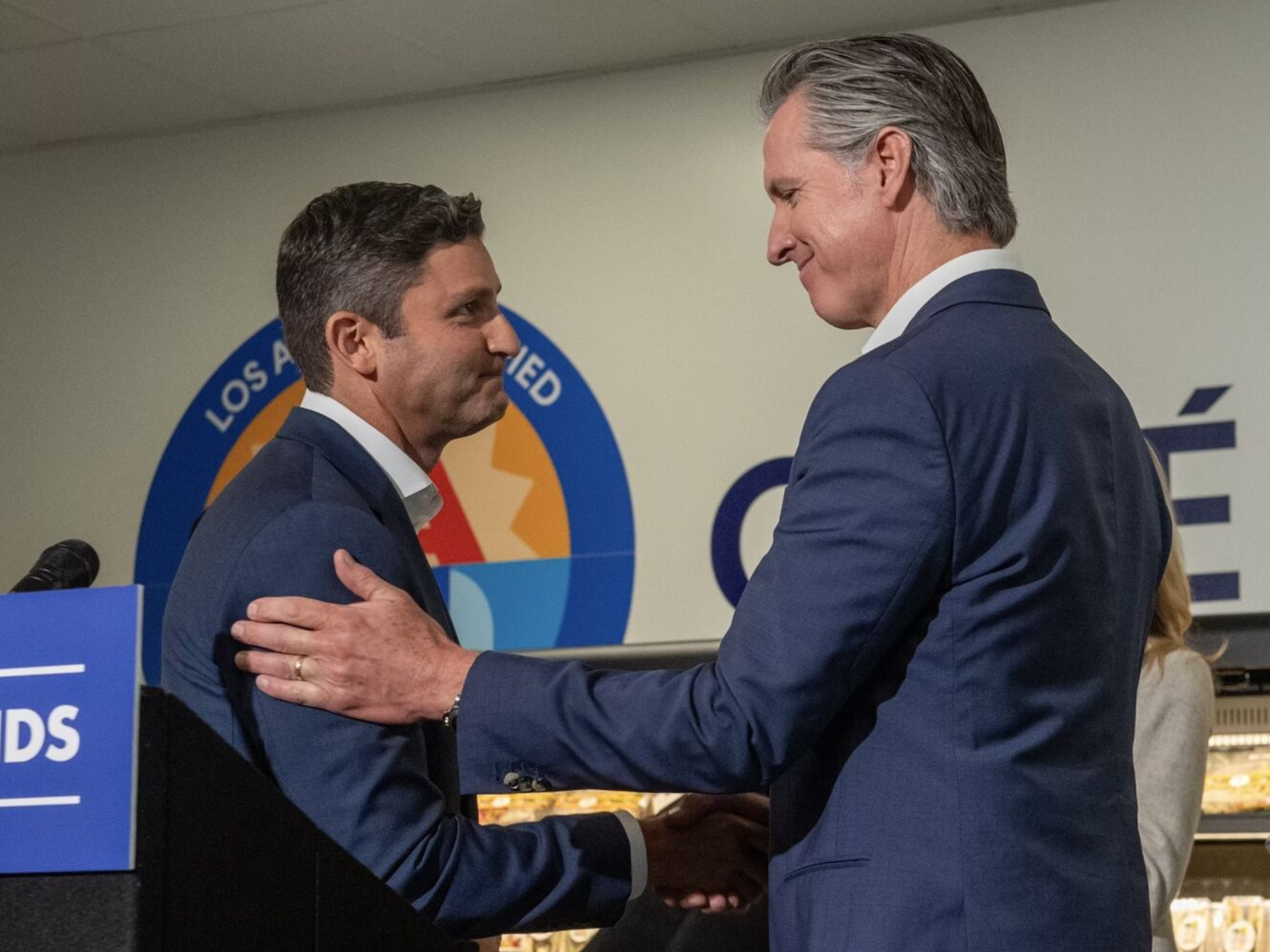
The bill builds on Gabriel’s AB 1264, which established a statutory definition of UPFs and initiated a phaseout of the most concerning ingredients from school meals in California. The first-of-a-kind legislation was signed into law by Governor Gavin Newsom last October.
It defines UPFs as products that contain certain stabilisers, thickeners, emulsifiers, flavouring and colouring agents, non-nutritive sweeteners and high amounts of saturated fat, sodium or added sugar.
AB 2244 would establish a system overseen by the California Department of Public Health, where food manufacturers can apply to accredited certification agents to use the California Certified label on their packaging.
While the scheme is voluntary for food producers, it mandates that retailers with over $10M in annual sales and more than 25 non-UPF-certified products on offer display California Certified items at more visible points, including at checkout and store entrances. In addition, the state would maintain a publicly available list of these products, maintain audit certification records, and enforce standards for the seal.
It’s inspired by the USDA Organic label, for which companies pay to have their products certified by an independent agent. California is the first and only state to create its own organic programme, which led Congress to introduce a federal standard for the term ‘organic’ in 1990.
The anti-UPF bill would allow companies to apply for the seal starting June 2028, and if they receive the certification, they’ll need to renew it every three years.
Given California’s efforts to clean up the food system and Gabriel’s contribution to them, the bill has legs. The assemblymember had passed into law two other bills, the California Food Safety Act in 2023 and the California School Food Safety Act in 2024, which his office says have “shaped federal policy and inspired similar legislation across more than 30 other states”.
In addition to UPFs, the state last year enacted laws that banned foods containing dyes like Red 40 from being sold in schools and products with chemicals like brominated vegetable oil from being sold anywhere in the state by 2027.
Policymakers rail against processed foods amid several non-UPF schemes
First classified under the Nova system developed by Brazilian researchers in 2009, UPFs are described as those made with industrial formulations and techniques or containing cosmetic additives thought to be of little culinary use. Put simply, they’re thought of as foods you can’t make in your home kitchen.
Americans now get 55% of their calories from UPFs, and this rises to 67% for children. Many experts have linked these to a multitude of health ailments (and even premature death).
But there’s no standard definition of these products, and the Nova classification has been criticised by many as overly broad. Health experts have argued that processing levels shouldn’t be conflated with nutritional value, since many UPFs can actually be good for you.
That hasn’t stopped companies from disassociating themselves from UPFs, which now top Americans’ list of health concerns. Now, 72% of them are trying to avoid these products in their diets, and 79% feel they’re a “significant threat” to public health.
The anti-UPF rhetoric has pushed the US Food and Drug Administration to work on a definition of UPFs to encourage companies to label their offerings as ‘non-ultra-processed’ the same way products are marketed as sugar- or fat-free.
These efforts have magnified under the rise of the Make America Health Again (MAHA) movement, which attacked UPFs with a highly controversial Super Bowl ad with Mike Tyson, who has been convicted of rape (for which he served a three-year term in prison) and has a history of domestic violence.
US health secretary Robert F Kennedy Jr, the chief architect of the MAHA drive, has promised to act on a petition by former FDA chief David Kessler, who has asked the government to revoke the GRAS status of some UPFs. That said, he stopped short of promising that the agency will begin regulating these products.
The House of Representatives is also considering a bipartisan childhood diabetes bill that seeks to convene an expert panel to define UPFs, prohibit them from being advertised to children, and require them to carry front-of-pack warning labels
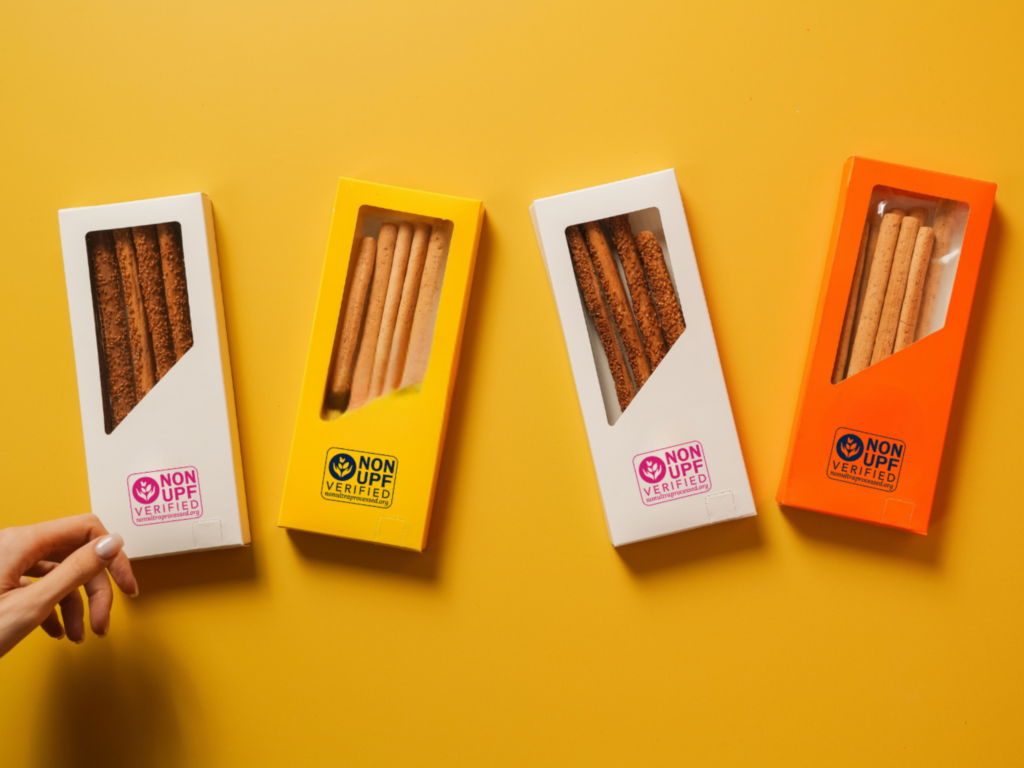
Several other states have imposed restrictions on UPFs, including Arizona, Texas, Louisiana, and West Virginia. If California’s bill passes, it will join a host of non-UPF certifications launched over the last 18 months by the likes of the Non-UPF Program, the Non-GMO Project, and Wisecode.