

Novonesis & DTU to Convert Carbon Into Protein As Part of Bill Gates-Backed Project

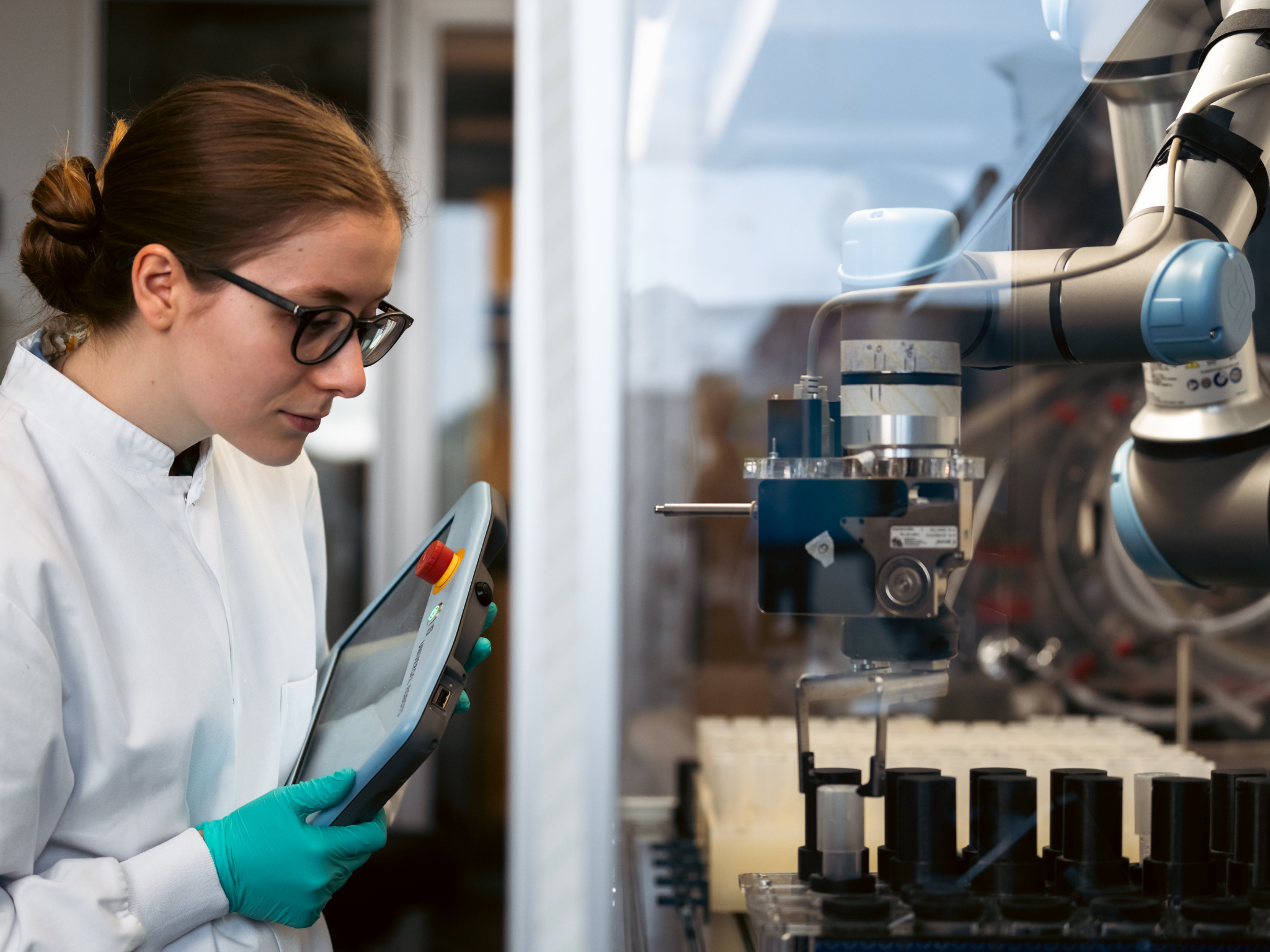
Novonesis has partnered with the Technical University of Denmark’s Bright hub to transform waste CO2 into sustainable protein as part of the Acetate Consortium backed by the Gates and Novo Nordisk Foundations.
As gas protein gains steam, one of the world’s largest biosolutions companies is embarking on a new fermentation project to produce carbon-derived proteins that enhance both public and planetary health.
Novonesis has partnered with the Novo Nordisk Foundation Biotechnology Research Institute for the Green Transition (Bright) at the Technical University of Denmark (DTU) to engineer microbes that convert waste carbon dioxide into proteins at industrial scale.
The collaboration is part of the Acetate Consortium launched by the Gates Foundation and the Novo Nordisk Foundation in 2023, which aims to produce microbial proteins using CO2-derived acetate (or vinegar) as feedstock instead of sugar. (Novonesis itself is majority-owned by Novo Holdings, the holding company of the Novo Nordisk Foundation.)
Most microbes naturally thrive on glucose, but struggle to efficiently utilise acetic acid produced from captured carbon. This is the bottleneck in the CO2-to-protein conversion process that forms the focus of the new partnership.
“This collaboration shows what it takes to make impact,” said Prof Jochen Förster, director of the Bright Biofoundry. “Aligned partners, complementary expertise, and the courage to work through complexity together. We look forward to continuing the work and strengthening the collaboration in the years ahead.”
Using high-throughput automation to accelerate strain innovation
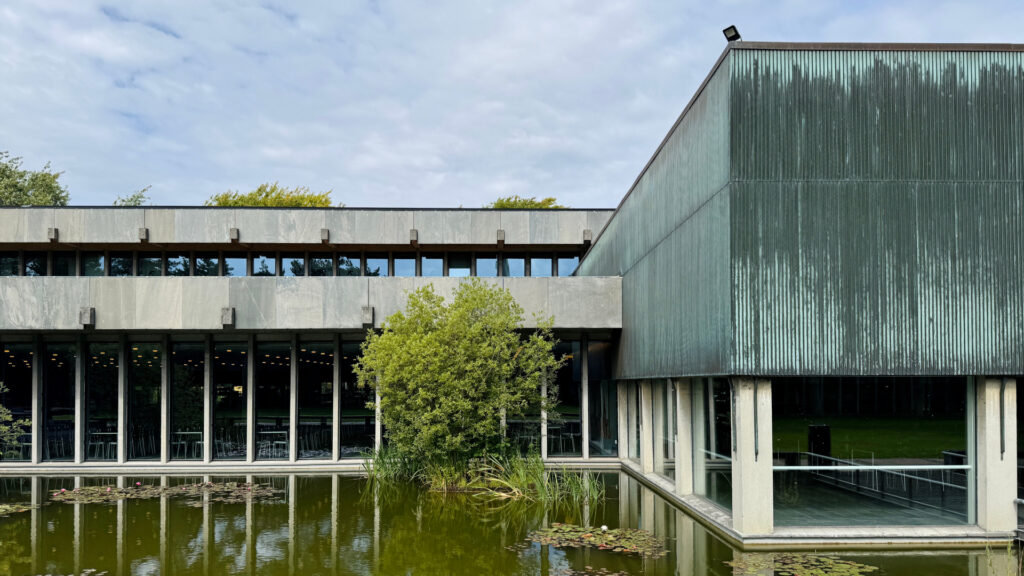
Bright was founded earlier this year as part of a research collaboration between DTU and the Novo Nordisk Foundation, aimed at accelerating the green transition through biosolutions.
The initiative is looking to strengthen Denmark and Europe’s bioeconomy by developing scalable products that can reduce reliance on fossil fuels. It’s focused on three key areas: sustainable materials, microorganisms for climate-neutral agriculture, and microbial foods.
Through the Novonesis collaboration, Bright’s researchers will apply evolutionary engineering techniques to optimise yeast strains for acetate-based fermentation.
The project will focus on increasing microbial tolerance to acetate, accelerating acetate consumption rates, boosting protein production yields, and reducing fermentation time and costs.
It will leverage Bright’s high-throughput automated evolution platform, enabling rapid, systematic strain improvement at a scale that would otherwise require years of laboratory work.
“This is where evolution becomes a design tool,” said Prof Adam Feist, who is leading the collaboration from Bright. “We are not just asking whether microbes can grow on low-carbon inputs. We are evolving them to do it faster, more efficiently, and in ways that actually make industrial sense.”
Novonesis CEO Claus Crone Fuglsang added: “We’re very excited that Bright will now join forces with us to help turn captured CO2 into a nutritious protein source.
“Together, we aim to develop yeasts and fungi that grow faster, tolerate acetate more effectively, and deliver higher protein yields. This partnership moves us closer to a future where CO2-based proteins play a role in more sustainable food production.”
Gas-derived proteins on the rise
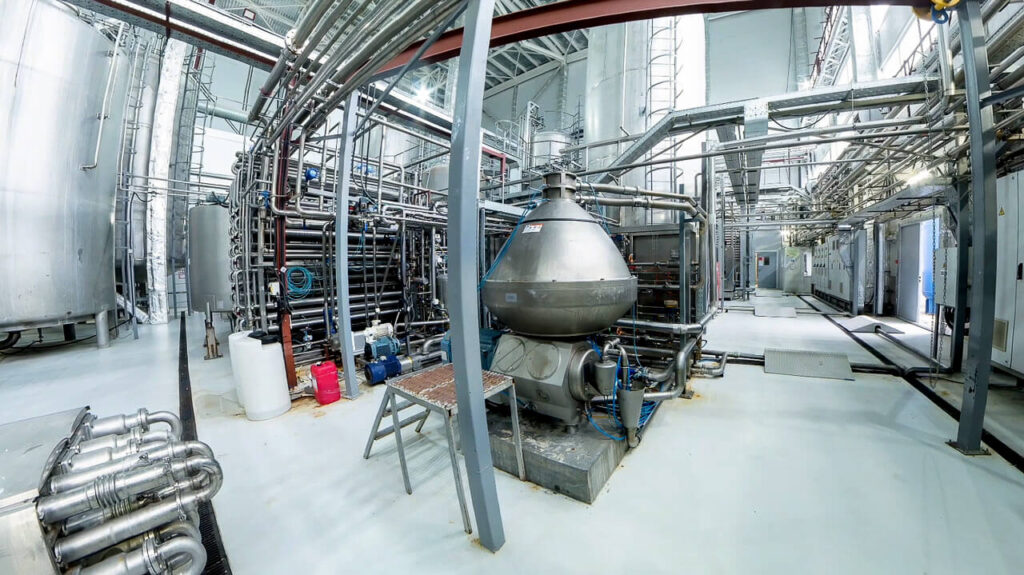
The collaboration leverages complementary areas of expertise between the two entities. Novonesis brings a decade of experience in designing and optimising production strains, and Bright contributes with its capabilities in microbial evolution and high-throughput strain development.
This is the latest initiative to come out of the Acetate Consortium, which has been backed by nearly $55M in funding from the Gates and Novo Nordisk Foundations. Its members include Novonesis, Orkla Foods, Topsoe, Aarhus University, and Spora (the food innovation centre founded by Rasmus Munk, head chef at two-Michelin-starred restaurant Alchemist), among others.
The first phase of the consortium was focused on building an integrated platform to convert CO2 into acetate for single-cell and precision proteins, with the members developing microbial strains that grow on 100% acetate and contain more than 40% protein.
In the second phase, which is running until 2027, the project will optimise and scale the technologies, develop and test food prototypes in the second phase, and model the technical, economic, and environmental impact of the technological solution it has developed.
The latest partnership between Novonesis and DTU’s Bright is reflective of the growing momentum around the gas protein space. Finland’s Solar Foods has already commercialised its Solein protein in Singapore, and will enter the US market this year, while Denmark’s Unibio is working with the Saudi Industrial Investment Group to build the world’s largest gas protein factory. Air Protein, LanzaTech, Jooules, and Aerbio are all innovating with this technology too.