

Opinion: British Supermarkets’ New GLP-1 Ranges Miss the Mark by Centring on Meat


Sara Ayech, UK director for Madre Brava, believes retailers in the UK have faltered by focusing on animal proteins in their new GLP-1 product lines.
Checking out the new supermarket ranges for January, it’s interesting to see several of them feature new lines of products aimed at GLP-1 users, and focus on small portions that maximise protein and other nutritional needs.
Leaving aside the assumption that weight loss drugs will necessarily lead to people eating more healthily, rather than just smaller quantities of the same, it’s disappointing to see such a focus on animal protein (mainly chicken) as the centre of most of these meals.
Three UK supermarkets, Morrisons, Co-op and M&S, all have new ranges, mainly one-portion ready meals (Morrisons and Co-Op), with the M&S range also featuring snacks, salads, and breakfast bowls.
While it’s great to see a focus on fibre and the inclusion of beans, lentils and grains in many of the meals, there’s a missed opportunity to showcase these as the star of the show, or partnered with other healthy, plant-based high protein sources such as tofu and tempeh.
Retailers’ functional ranges seem siloed from plant-based lines
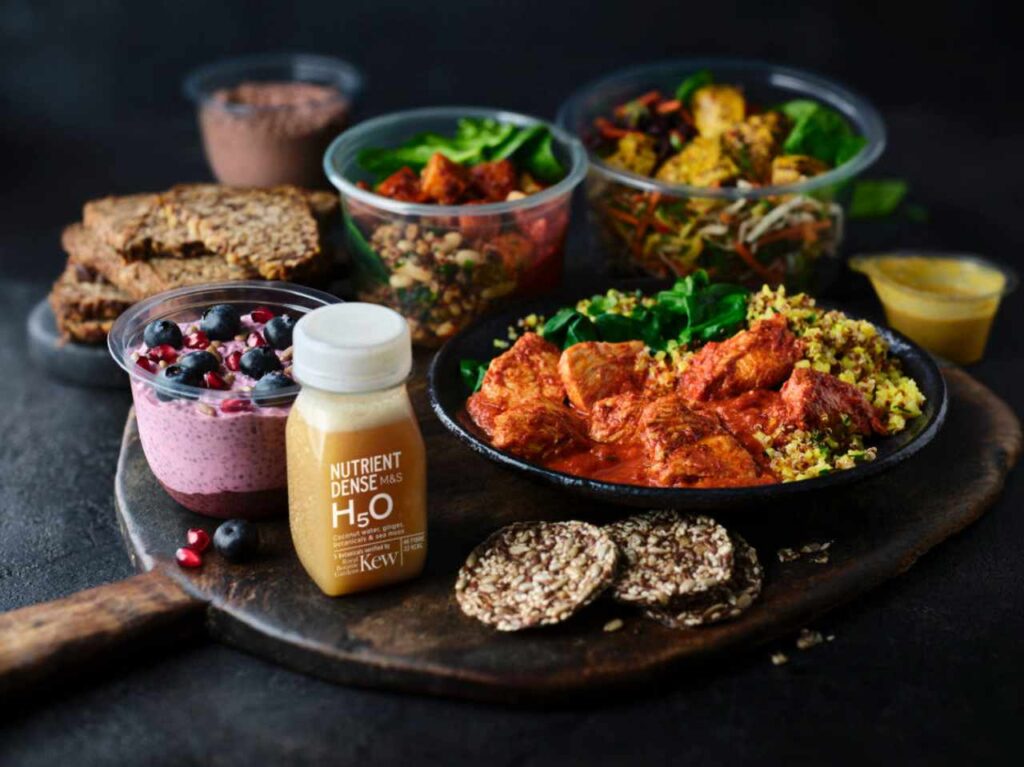
The Morrisons range has seven meals, six of which centre on chicken or meat. None is plant-based. Co-op does better with two plant-based options of the nine-meal range.
But while the M&S line features several plant-based salad and snack bowls (for example, cauliflower and hummus, squash and almond grains), this doesn’t extend to the main meals or breakfast pots, reinforcing the idea that meat is necessary as the central protein element of a nutritious meal.
Currently, supermarket ranges that target customers seeking more protein, fibre, gut health, or weight loss seem siloed from Veganuary and plant-based ranges, as though it’s inconceivable that these would overlap.
With around 80% of our food intake currently coming from 11 major supermarkets, their marketing, promotions and prices set the norm, can reinforce or challenge food culture and have a huge effect on what diets are accessible and desirable to a busy and cash-strapped public.
GLP-1 drugs and plant-based eating should go hand-in-hand
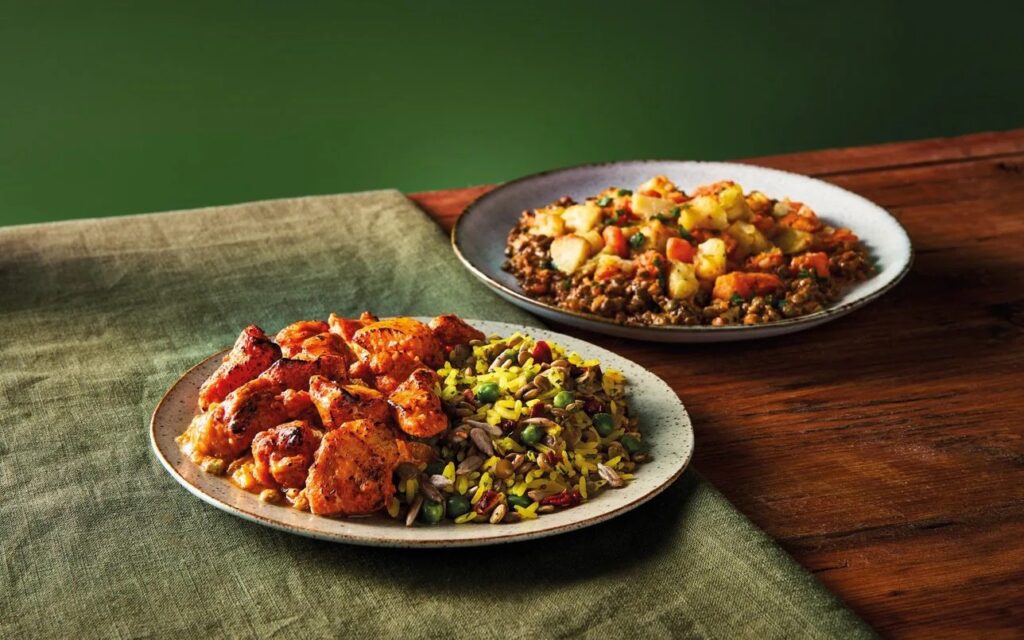
Weight-loss drugs are offering hope to many, and while it’s commendable to be developing healthy, high-nutrition meals, it’s a shame to fall back on outdated assumptions that the centre of a healthy meal is always chicken (or beef or fish).
This is even truer when you consider that this undoubtedly huge disruption to patterns of food consumption could also be an opportunity to move towards a greater diversity in our diets – with animal protein balanced by an increase in plant proteins.
Solid research, including the recent EAT-Lancet Commission recommendations, shows we will best meet both our health needs and those of our planet through a greater proportion of our overall diets and our protein intake coming from plant sources; and that a move in this direction would reduce deforestation, greenhouse gas emissions and free up land.
Imagine if supermarkets included stronger plant-centred choices in these ranges, proving we don’t need to make a choice between nutrition and a diverse and climate-friendly diet.