

Döhler Invests in Superbrewed & Sets Up Commercial Production of Its Postbiotic Protein

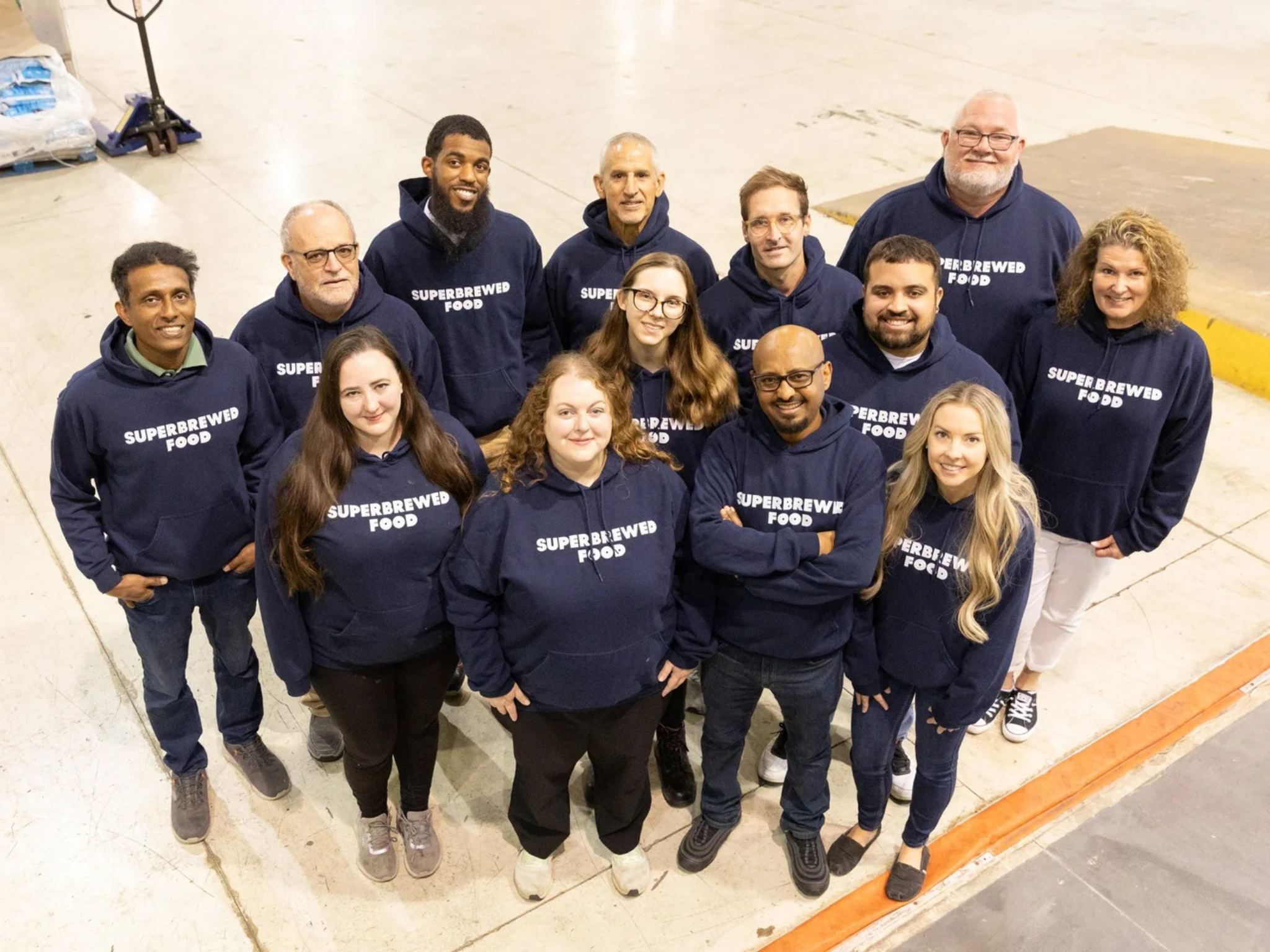
Superbrewed Food has begun commercial production of its fermented postbiotic protein at a facility owned by Döhler, whose venture arm has made a fresh investment in the startup.
German manufacturing giant Döhler Group has made a strategic investment in US fermentation startup Superbrewed Food, after helping it enter the commercial production stage for its microbial protein.
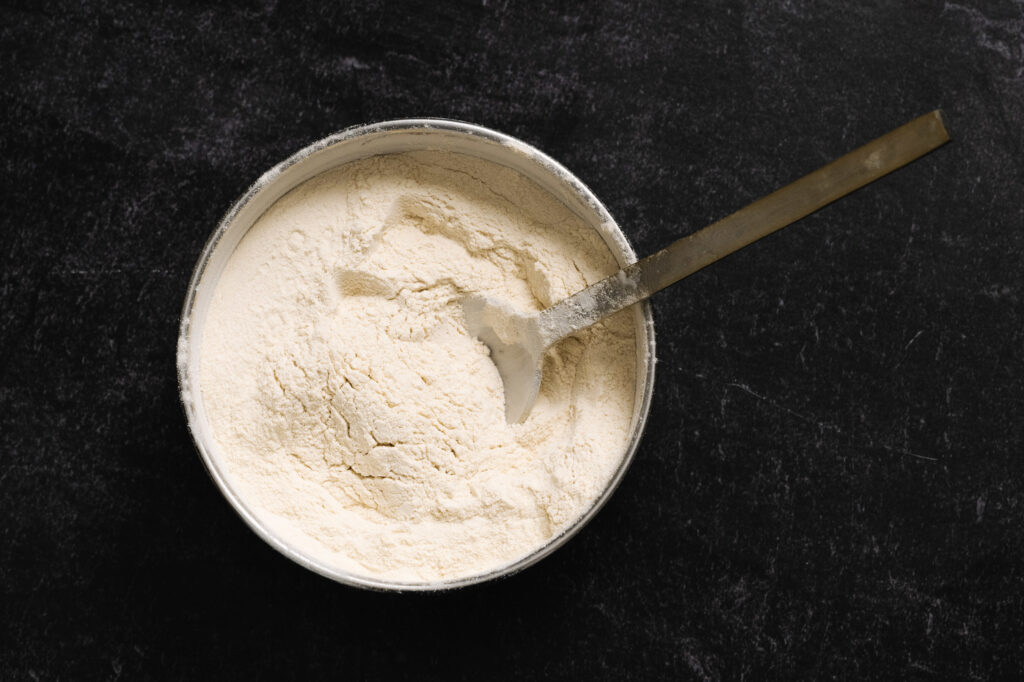
Superbrewed’s SB1 ingredient is a postbiotic cultured protein derived from microflora native to the human microbiome. The whole-food protein is already approved for sale in the US, where it will be targeted towards the premium sports and lifestyle nutrition sector.
The development marks the transition from development to the first phase of commercial-scale manufacturing. SB1 is being produced at Döhler’s European facility, with initial volumes already being shipped across the Atlantic.
“Establishing commercial production with Döhler is a defining step for Superbrewed,” said Bryan Tracy, the startup’s founder and CEO. “Döhler’s global manufacturing platform and commercialisation capabilities position SB1 to scale efficiently and meet accelerating demand for high-quality protein.”
SB1 can replace and complement animal proteins
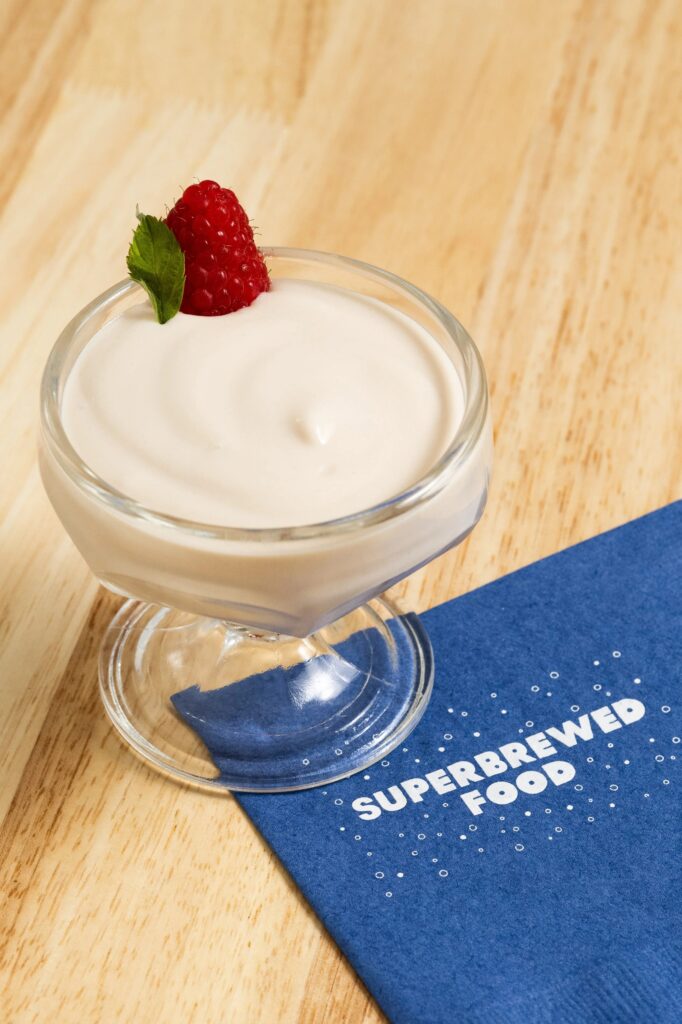
Superbrewed leverages anaerobic fermentation technology (an environment without oxygen) to produce its postbiotic protein. It uses Clostridium tyrobutyricum, a microbial strain known to have a neutral flavour, high pH and temperature stability, and beneficial functional properties.
The company explains that postbiotics are essential bioactive compounds produced by our gut microbiome that humans need to thrive. SB1 is a whole-food ingredient, rather than a protein isolate, with over 85% protein and a high amount of essential and branched-chain amino acids.
It also contains “meaningful levels” of iron, zinc, phosphorus, and vitamin B12, enabling structure and functional claims in finished products. Plus, it is allergen-free and supports clean-label formulations across the food and nutrition verticals.
In fact, SB1 can be used both to replace or complement animal proteins in applications like meat analogues, sports drinks, baked goods, confectionery, and snacks.
It performs particularly well in dairy and non-dairy products, which is why Superbrewed has been working on process and product partnerships with New Zealand’s Fonterra and France’s Bel Group.
The startup first teamed up with Döhler in 2024, looking to leverage its expertise in global scale, quality systems, and natural ingredients to expand production of its microbial protein. The German firm has dedicated substantial fermentation capacity for the ingredient, in a bid to commercialise SB1 for CPG applications.
Superbrewed bets on America’s GLP-1-fuelled protein appetite
The impending launch of SB1 comes amid the continued boom in protein demand in the US. Nearly three in five (57%) Americans plan to prioritise protein this year to increase energy (52%), build strength (51%), manage weight (48%), and stay fuller longer (41%).
The expanding use of GLP-1 medications has contributed to this trend. The share of Americans taking Ozempic, Mounjaro and other similar drugs doubled from 5.8% in early 2024 to 12.4% in summer 2025.
That has pushed food companies to tweak their offerings to offer more protein, given that GLP-1 users witness a 25-40% decrease in muscle mass over eight to 16 months (much more so than non-medicated weight loss approaches and age-related muscle loss).
Meanwhile, the spotlight on protein in the US has been further intensified by the contentious update to the national dietary guidelines, which have pushed its daily recommended intake from 0.8g to 1.2-1.6g per kg of body weight.
By converting sugar into SB1, Superbrewed says its platform aligns the sugar supply with the heightened demand for premium ingredients that go beyond isolated proteins. It is now working with Döhler to continue expanding capacity and advance broader commercialisation in 2027.
“Superbrewed’s SB1 represents a differentiated innovation in the evolving protein landscape,” said Rodrigo Hortega de Velasco, managing partner at Döhler Ventures. “Through commercial manufacturing and strategic investment, we are committed to supporting SB1 as it scales globally.”
Several other fermentation startups are targeting the US protein market with animal-free powders. These include Solar Foods‘s gas-derived Solein protein, The Every Company‘s recombinant egg white protein, and Leaft Foods‘s alfalfa-leaf-based Rubisco protein.