

As Surging Coffee Prices Change Consumer Habits, One Singaporean Startup Has An RTD Solution

The world’s top coffee producers are getting too hot to grow the crop, and high prices are already changing how we consume it. Singapore’s Prefer is betting on ready-to-drink, bean-free drinks as a solution.
Coffee prices are worsening like the nerves of an overcaffeinated espresso drinker.
Take the US, for instance: the cost of coffee was up by 18% in January from a year ago, the latest jump in a long-term spike. Over the last five years, prices have risen by 47%.
That has led many people to change how they consume caffeine. Some have resorted to brewing at home, others have switched to cheaper, mass-market brands, and yet others have given it up altogether in favour of tea.
The shift is reflective of the heightening impact of climate change on the global coffee industry – 60% of coffee species are already endangered, and the tropical area suitable for growing coffee is set to be halved by 2050. In Latin America, around 90% of coffee-growing areas could become unproductive by then.
To address this mounting issue, some startups are making bean-free coffee alternatives from crops and food industry sidestreams, which are better for the planet and much more resilient to the climate crisis. Among them is Singapore’s Prefer, whose latest partnership brings ready-to-drink, beanless coffee drinks to the city’s metro.
Prefer builds on oat latte success with new beanless coffee drinks
Prefer markets a beanless coffee extender that can be combined with conventional coffee at up to 40% of the volume. Called PreferRoast, it is made from a base of rice and chickpeas, which are fermented with food-grade microbes, then roasted and ground just like conventional coffee. This process unlocks the same aroma volatiles found in the latter.
The beanless alternative is 50% cheaper than arabica on average and has an 85% lower carbon footprint, and can be supplied to CPG companies, food manufacturers, private-label retailers, and flavour houses for use in a range of products. For instance, it has appeared in a dairy-free latte via a partnership with Ajinomoto and gas protein startup Solar Foods.
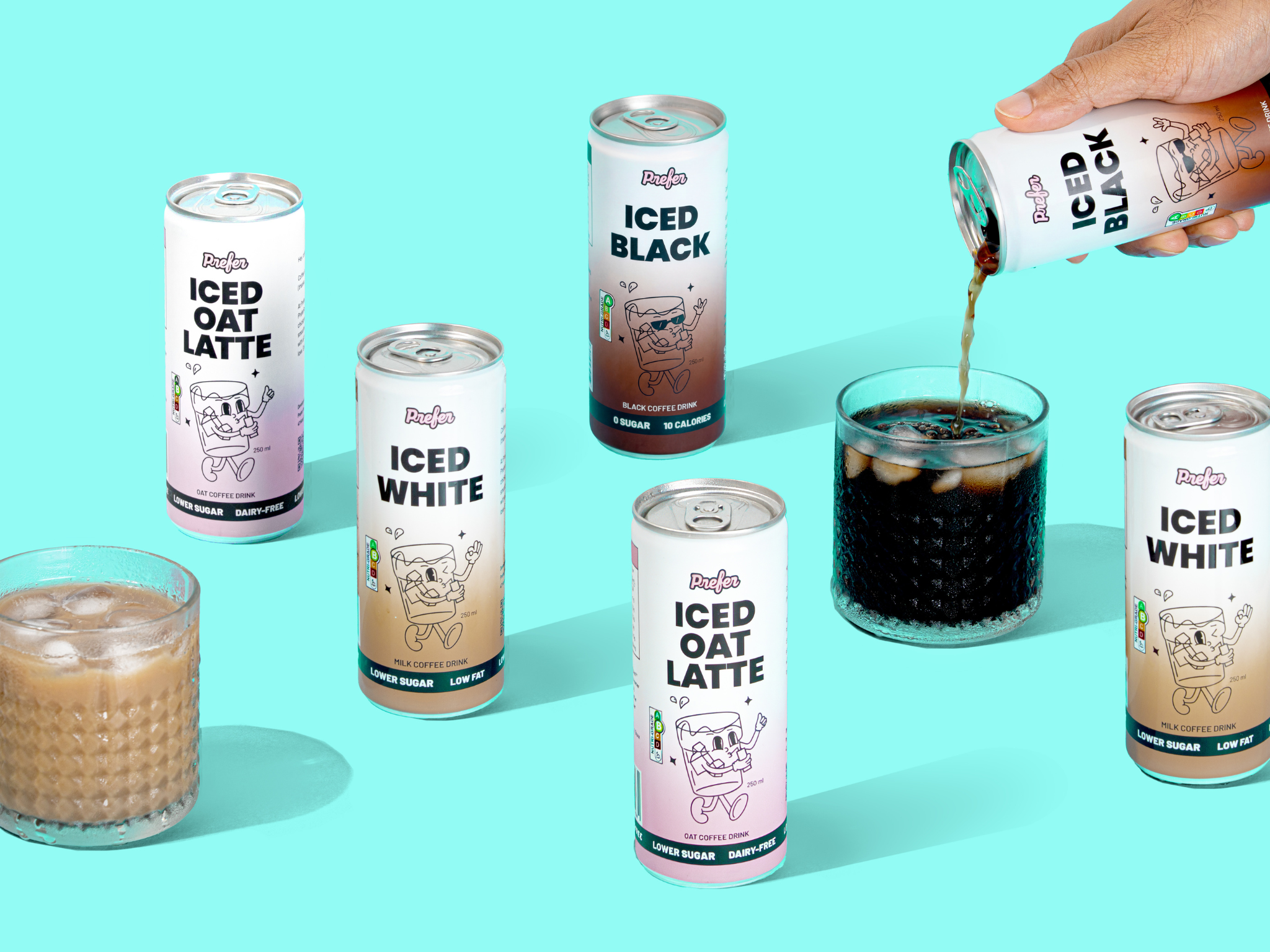
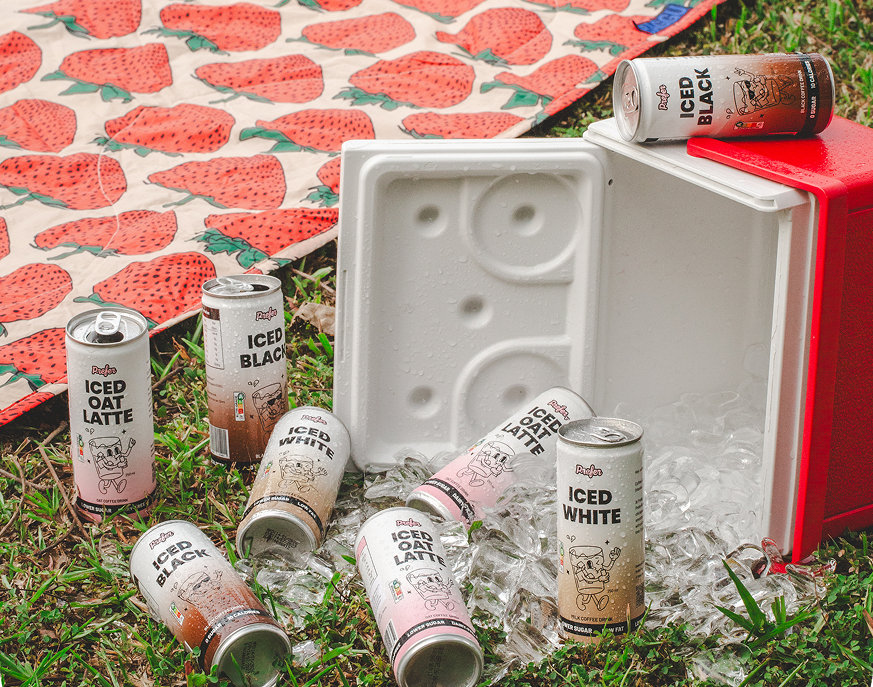
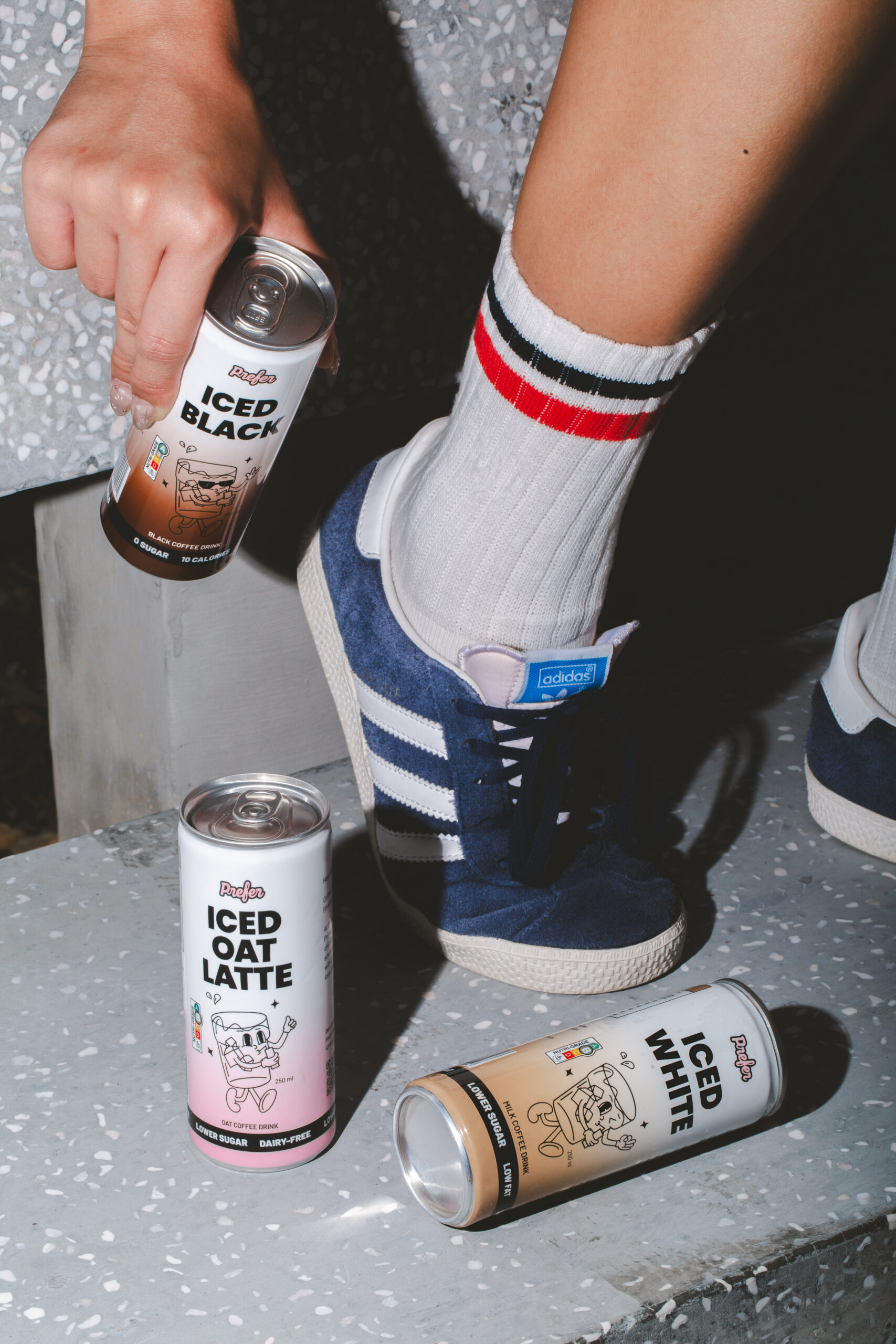
The company also sells it as part of its own consumer brand, through which it has launched three new, ready-to-drink iced beverages. It includes a reformulated oat latte (which was its debut product), a latte with cow’s milk, and a black coffee.
“The refreshed Iced Oat Latte now utilises PreferRoast as a coffee extender in a blend with conventional coffee, instead of a full replacement. The flavours are even bolder and smoother as we continue to iterate based on customer feedback,” co-founder and CEO Jake Berber tells Green Queen.
In a video posted on LinkedIn, Berber said the rollout builds on the success of the oat latte, which sold out online twice and reached over 100 distribution points across Singapore. These include cafés, F&B outlets, corporate pantries, and vending machines.
“What followed were simple, consistent requests,” he said, highlighting consumer demand for everyday, no-fuss options. “We took what worked, refined it, and built something designed for the day-to-day… This launch is about growing demand for something accessible and dependable.”
The black coffee is unsweetened, while the milk-based drinks are lower in sugar than competitive products on the market. They’re now available on Prefer’s website, as well as at 26 vending machines across the city’s Mass Rapid Transit (MRT) network, thanks to a partnership with Le Tach Vending. More locations are set to be announced soon.
Climate change threatens coffee’s future – can bean-free formats save it?
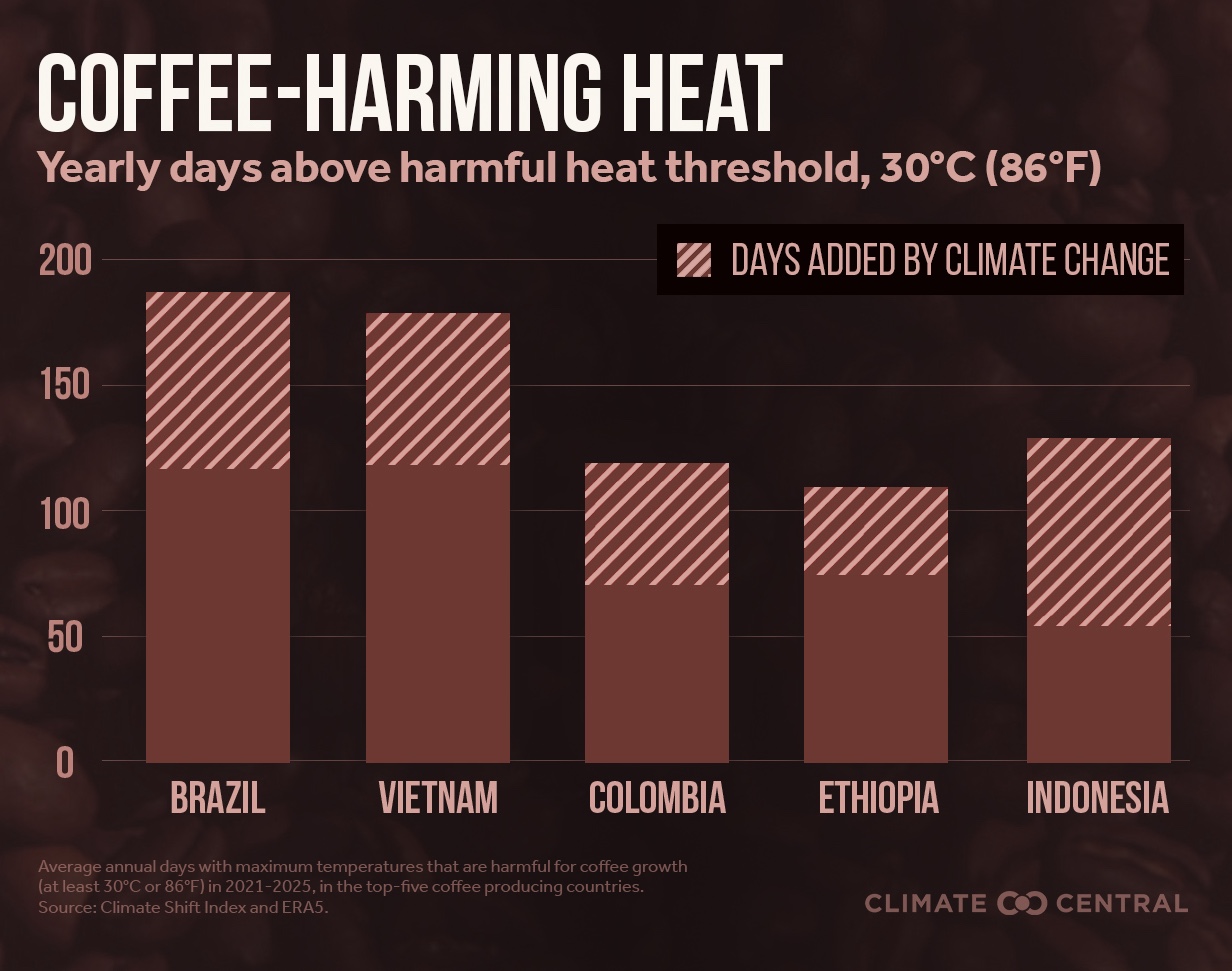
Prefer’s ready-to-drink expansion is an example of what a lot of coffee’s future may look like in the decades to come. Between 2021 and 2025, Brazil, Vietnam, Colombia, Ethiopia, and Indonesia – which represent 75% of the global coffee supply – experienced 57 extra days of harmful heat (above 30°C).
When temperatures breach this threshold, coffee plants experience heat stress, which can reduce yield, affect bean quality, and increase their susceptibility to diseases, according to Climate Central, which conducted the research.
This hampers the quality and supply of coffee globally, raising costs and hurting farmer incomes. “Rising coffee prices are a very real concern for consumers. At Prefer, we’re less exposed to volatile coffee bean prices, which allows us to offer a more price-stable option,” Berber explains.
“That said, we’re not trying to replace home brewing. Instead, we position ourselves as a convenient, on-the-go option for consumers who want something accessible that is tasty, healthy, and sustainable.”
Global coffee prices reached an all-time high last year. Prefer’s solution may be able to provide some relief, although its 250ml iced drinks cost up to $4 a pop when bought in a bundle. This is much higher compared to the S$2.45 consumers pay for Starbucks’s ready-to-drink offering or the S$7.87 they pay for a six-pack of Nescafé’s canned latte.
That said, these brands do benefit from the economies of scale and an established global supply chain. And Prefer’s drinks are still cheaper than some of Nestlé’s more premium products, like the Nescafé Cappuccino (S$4.58 per can), and on par with smaller brands such as Moma’s oat latte (S$3.95).
Why Prefer added a dairy option, and its plans for 2026
Though Prefer – which has raised $6.2M to date – is touting beanless drinks as the next frontier of coffee, adding cow’s milk to the mix may seem counterintuitive, considering dairy’s outsized impact on the climate.
“We introduced a dairy option to be more inclusive of how most people already enjoy their coffee. A large majority of coffee drinkers take their coffee black or with milk, so this allows us to reach the mass market while still offering a more sustainable option,” says Berber.
“In terms of climate footprint, PreferRoast requires nine times less CO2 than traditional coffee beans, reducing the overall footprint compared to conventional ready-to-drink coffees,” adds co-founder and CTO Ding Jie Tan.
It speaks to the growing trend of future food companies embracing the incumbents to reach a wider set of consumers – whether it’s blended meat, hybrid coffee, or climate-friendlier drinks that still include dairy.
Asked what’s in store for Prefer this year, Tan reveals: “For our ready-to-drink range, we’ll continue to refine flavours as we get more feedback on the new products.
“We plan to expand through mass-market channels in key markets, starting in APAC. For PreferRoast and PreferChoc [its beanless chocolate], we are scaling up our manufacturing capability to 500 tonnes of capacity. With more scale, we’re excited to continue expanding across APAC with key partners.”
Like Prefer, Belgium’s Koppie is taking the coffee extender route with its beanless alternative, too. Others innovating in this fast-growing space include Voyage Foods, Compound Foods, Atomo, Northern Wonder, and Wake.