


What Is It and Why Is It Used?
Carmine, also called cochineal, comes from the skin of female cochineal beetles. These insects are mostly found in Mexico and other parts of South America. Once they have been killed, the beetles are dried and then crushed- from this, carminic acid is extracted. This acid is used for its red coloring properties in various consumer products. It is usually mixed with aluminum and or calcium salts to make a paste.
What Is It Used In?
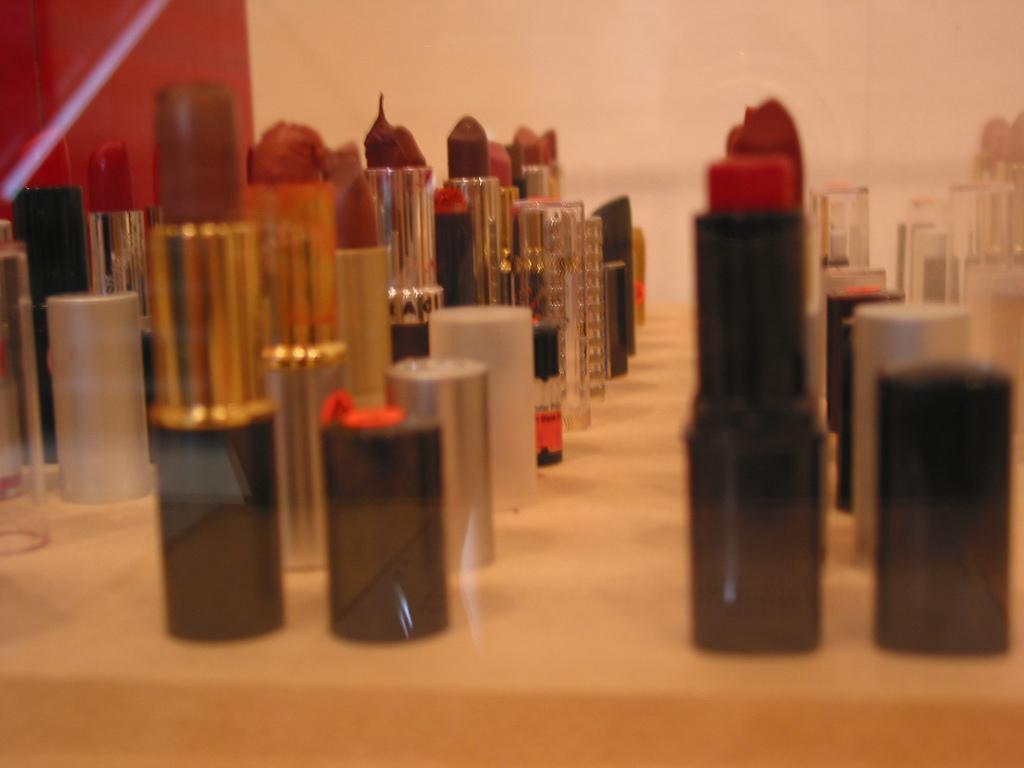
Carmine is mostly used in the beauty industry, especially in lipsticks that span the red colour range but also blushes, eye shadows, face tints— anything that requires red coloring- it provides deep scarlet hues. Carmine is also used in sweets, candies, jellies, soft drinks, juice drinks, fruit snacks, ice cream, yoghurt and pre-packaged desserts-so many red-tinted processed, prepared foods contain it!
What to Look Out For On An Ingredient Label
You can try and look for ‘carmine’ or ‘cochineal’ or ‘carminic acid’ on an ingredients’ list but the reality is, carmine is often not listed. In other instances, it is hidden by the term ‘natural coloring’ or ‘red coloring’ or the very common ‘natural red 4’. Since it is animal derived, products containing carmine cannot be considered vegetarian or vegan. A great way to avoid it is to choose vegetarian and/or vegan personal care and beauty products. In recent years, consumers have demanded that carmine be properly mentioned on ingredient labels and progress is being made in some countries.
Why Is It Bad For You?
As mentioned above, anyone who wants to avoid animal derived products- animal lovers, vegans, vegetarians, followers of certain religions- should stay away from carmine.
Health-wise, carmine has been linked to heart trouble, allergic reactions such as hives and diarrhea, asthmatic reactions and anaphylactic shock. Anyone sensitive to allergic reactions should avoid carmine. It has also been linked to hyperactivity in children. It is still being studies for its adverse health effects- we do not know enough at this stage.
Whew- so we know we need to avoid Sulfates, Parabens, Phthalates and Propylene Glycol and Carmine of course! Make sure to click on the links to read the previous entries in this series and stay up to date on what to look for on those ingredient labels. Check in with us soon for the Part 6!
Photo credit: momopeche via photopin cc.