

Poland Integrates Plant-Based Meals & Planetary Health Diet Into School Menus

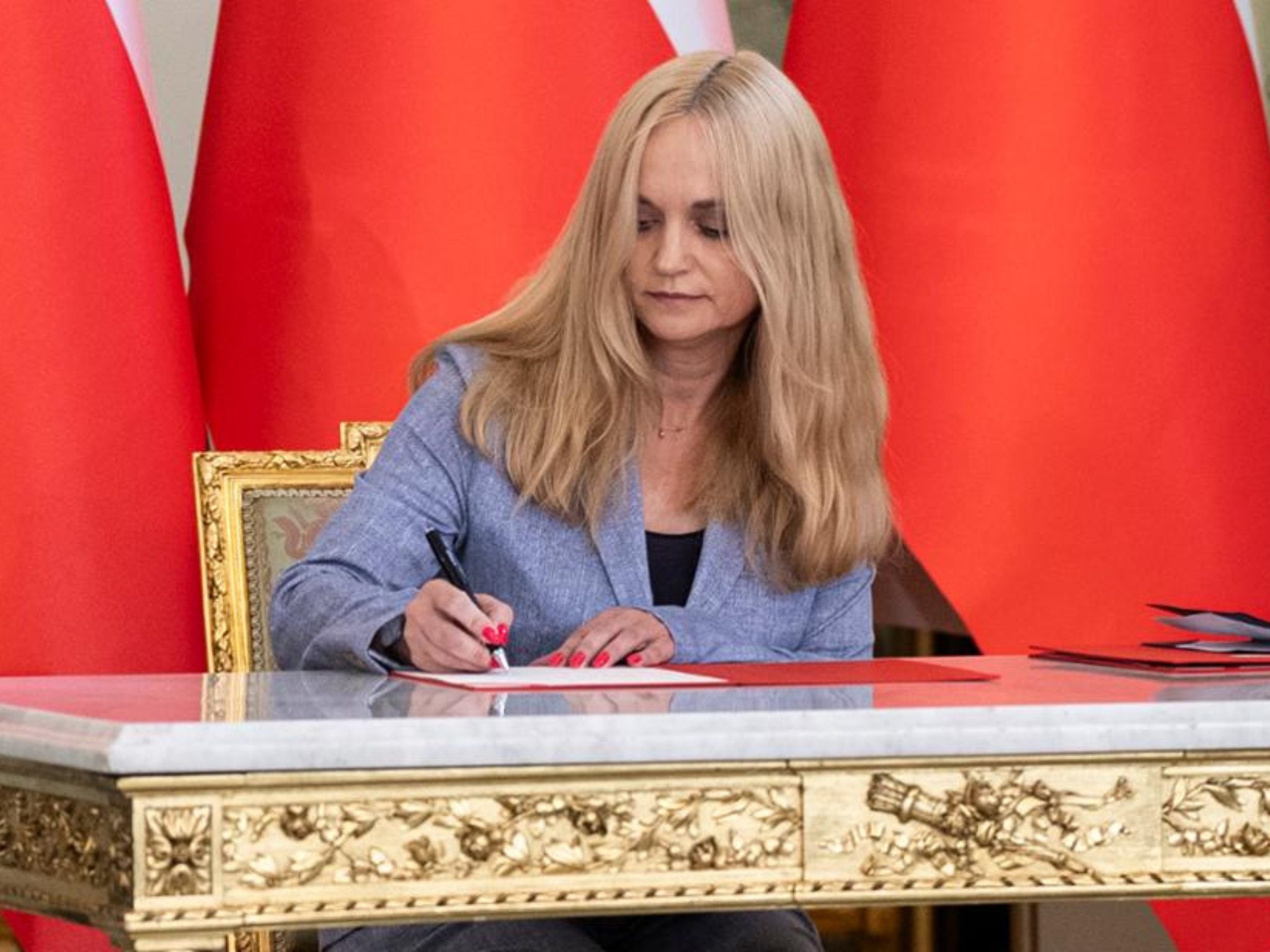
The Polish health ministry has officially published new regulations that will guarantee access to plant-based meals in schools and ramp up food waste reduction strategies.
Plant-based meals will soon be the norm in Poland’s schools, thanks to an update to nutrition regulations based on the Planetary Health Diet.
The Ministry of Health this week signed a regulation that makes it mandatory for schools to serve at least one fully vegan lunch a week, and provide alternatives on days when meat or fish is served.
The new rules will come into force on September 1, replacing a standard set in 2016, and impacting 6.8 million children in Poland’s nearly 36,000 schools. They explicitly mention plant-based alternatives to dairy and meat as full-fledged components of school nutrition.
“Introducing nutritious, plant-based meals in schools is much more than just about health. It’s also an investment in education, teaching children to make informed and responsible food choices that benefit both themselves and the planet,” said Patrycja Homa, president of the ProVeg Foundation.
“Changes in school nutrition demonstrate that approaches to children’s health increasingly consider both the quality of the diet and its impact on the environment, as well as the future eating habits of the younger generation.”
Poland highlights legumes in school lunch regulations
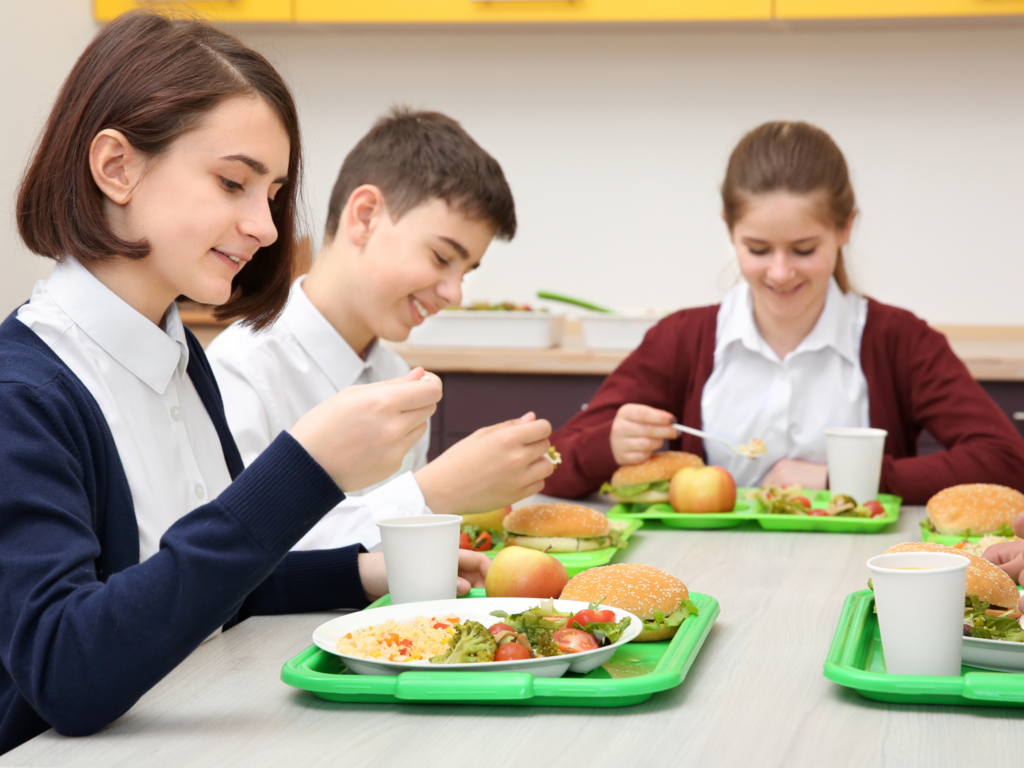
The draft regulation states that the mandatory plant-based meals served at least once a week, as well as the dishes offered as alternatives to animal protein on other days, must be based on legumes like lentils, beans or chickpeas.
This is part of a wider focus on nutritious plant-based foods like whole grains, seasonal vegetables, and low-sugar plant-based milks fortified with calcium and vitamin B12. Seasonal, local and organic products are encouraged, while fried foods are restricted to just twice a week.
This is what a week’s worth of school lunches will look like under the new rules: a legume-based dish at least once, two days with a meal based on fresh meat with a plant-based alternative, another day with fish and a vegan option, and one flexible day where lunch can be plant-, flour- or fish-based.
Additionally, if soup is served, it should be prepared with vegetable broth at least twice a week. Vegetables and fruits must be part of every meal, and the share of whole-grain products and plant-based fats has been increased.
The new standards are based on the Planetary Health Diet devised by the Eat-Lancet Commission, which outlines a plant-rich eating pattern to improve public health and lower the food system’s climate impact.
They will kickstart a much-needed departure from the current norm of meat-heavy lunches. Research by the Green REV Institute found that nearly 80% of all school meals in Poland are comprised of meat – and in some schools, meat dishes account for the whole menu. This, it said, indicates a lack of diversity in the food on offer, and also contributes to rising childhood obesity in the country.
“Only 0.28% of schools offer a full vegan diet, and only 2.5% offer plant-based dishes. Despite declaring the availability of plant-based meals, most institutions serve only vegetarian dishes or meat-free options, which still contain animal products,” said Dr Tomasz Jeżewski, a cardiologist.
“The availability of high-quality plant-based meals in schools could be a natural method of health prevention, reducing the risk of overweight and obesity, which already affects 25% of Polish children.”
Food waste in focus amid plant-based push

Poland’s new regulations touch upon another tenet of the Planetary Health Diet: food waste. The government has placed strong emphasis on reducing waste as a component of health, economic and climate education.
It notes how food waste and loss cause significant environmental and financial losses – globally, they account for up to 10% of emissions and $1T in economic costs – and suggests that schools can play a major role in shaping responsible habits from a young age.
Its regulations recommend specific organisational solutions in school cafeterias to curb waste. These include serving age-appropriate portions, allowing for a choice of side dishes, improving meal presentation, and increasing the number of single-course meals. The rules further highlight the need to monitor food waste and adapt meal production to actual student demand.
The health ministry states that effective implementation of the new legislation will require educational activities, training, and practical tools to be provided to school canteens and mass catering staff. This is the focus of the School Plates programme by ProVeg and the Plant-Based School by the Green REV Institute and the Safe Food Foundation.
“The new regulation is more than just a legal success. It is a lesson in how systemic change really works. Social mobilisation alone – without expert support and precise advocacy – remains in the realm of postulates and slogans,” said Anna Spurek, CEO of the Green REV Institute.
“On the other hand, advocacy and expertise alone – without the movement of people who stand behind a given change – have no clout in public policy. Only the combination of these two forces produces results.”
Poland isn’t the only country to emphasise the protein transition for children. Schools in Spain are now legally required to serve fruits, vegetables and vegan meals as part of their lunches, and Taiwanese legislators are asking the government to add plant-based meat to school meals. It comes amid Unesco’s call for more nutritious food options and the inclusion of food education in school curricula.