

Newsom Signs Law to Create First-of-A-Kind Non-UPF Certified Label in California

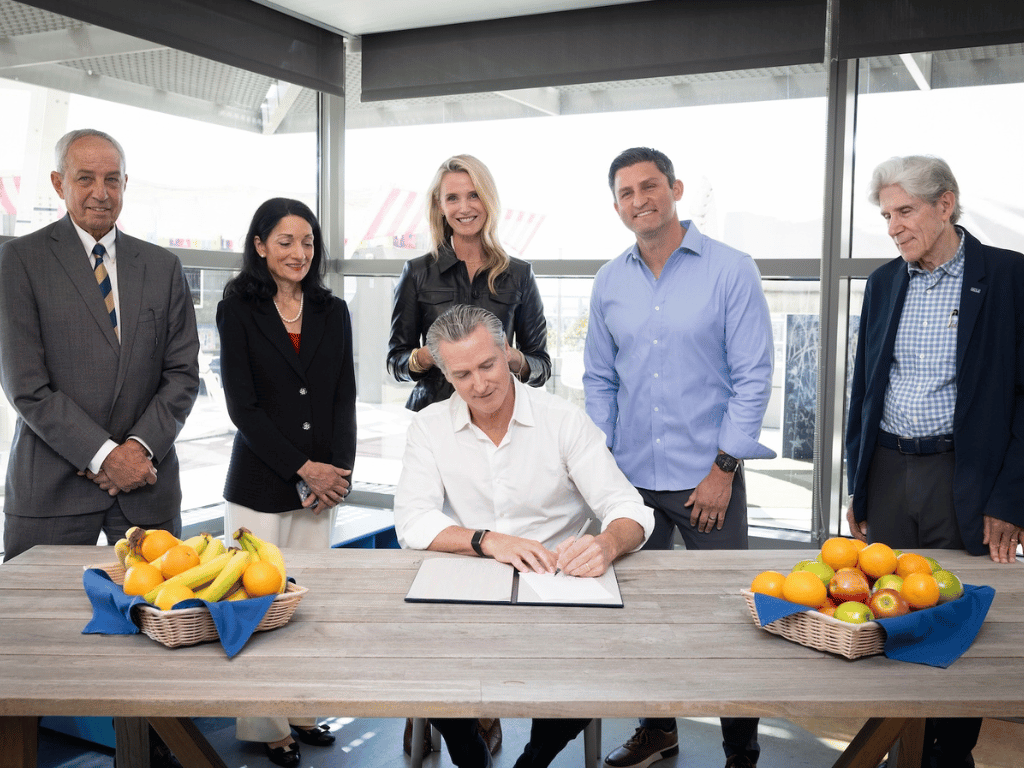
California Governor Gavin Newsom has signed a bipartisan bill that creates a non-UPF certification label for food products in the state, a first for the country.
California’s war on ultra-processed foods (UPFs) has reached new heights, with the US state becoming the first to create a voluntary label for non-UPFs.
Governor Gavin Newsom has signed into law AB 2244, a bill supported across party lines that enables food manufacturers to use a front-of-pack ‘Non-Ultraprocessed Certified’ seal on products that meet certain criteria.
“We should be about healthcare, not sick-care, recognising that preventing illnesses is far preferable to finding – and affording – treatments,” Newsom said. “It’s why California is focused on making whole, healthy foods as accessible as possible, why we’re making healthier choices easier.”
UPFs have become a hot-button issue in food policy in the US, with the federal government promising to take action against the category but finding it hard to develop a standardised definition for these products.
The nation’s largest state, however, has come up with its own definition, and has been ahead of the curve on anti-UPF policymaking – last year, Newsom signed a bill that would phase out the most concerning of these products from schools.
“California has never been afraid to challenge the status quo, and we’ll keep innovating, trying new things, and clearing the way for the rest of the country to follow,” the governor said.
Taking inspiration from the USDA Organic label
The reason policymaking around UPFs isn’t straightforward is due to the lack of a clear definition. The category first appeared in the Nova classification in 2009, whose description of foods with industrial formulations and techniques and cosmetic additives bundled everything from Coke and Doritos to whole-grain bread or fortified soy milk under one umbrella.
It’s why many health experts have criticised the Nova definition of UPFs as too broad and misleading. It risks alienating foods that are actually good for you, and while studies have linked UPFs to a host of health ailments (including early death), leading health voices have warned against conflating processing with nutrition.
To address this gap, California’s 2025 legislation defined UPFs as products that contain certain stabilisers, thickeners, emulsifiers, flavouring and colouring agents, non-nutritive sweeteners, and high amounts of saturated fat, sodium or added sugar.
This will apply to products that companies want to use the new Non-Ultraprocessed Certified (previously called California Certified) label on. It’s modelled on the USDA Organic seal, for which companies voluntarily pay to have their products certified by an independent agent.
The non-UPF is said to reflect the same “common-sense, market-based approach” that made the USDA Organic label a success. The new law creates a system overseen by the California Department of Public Health, where food manufacturers can apply to accredited certification agents to use California’s new health-focused seal on products that are not ultra-processed.
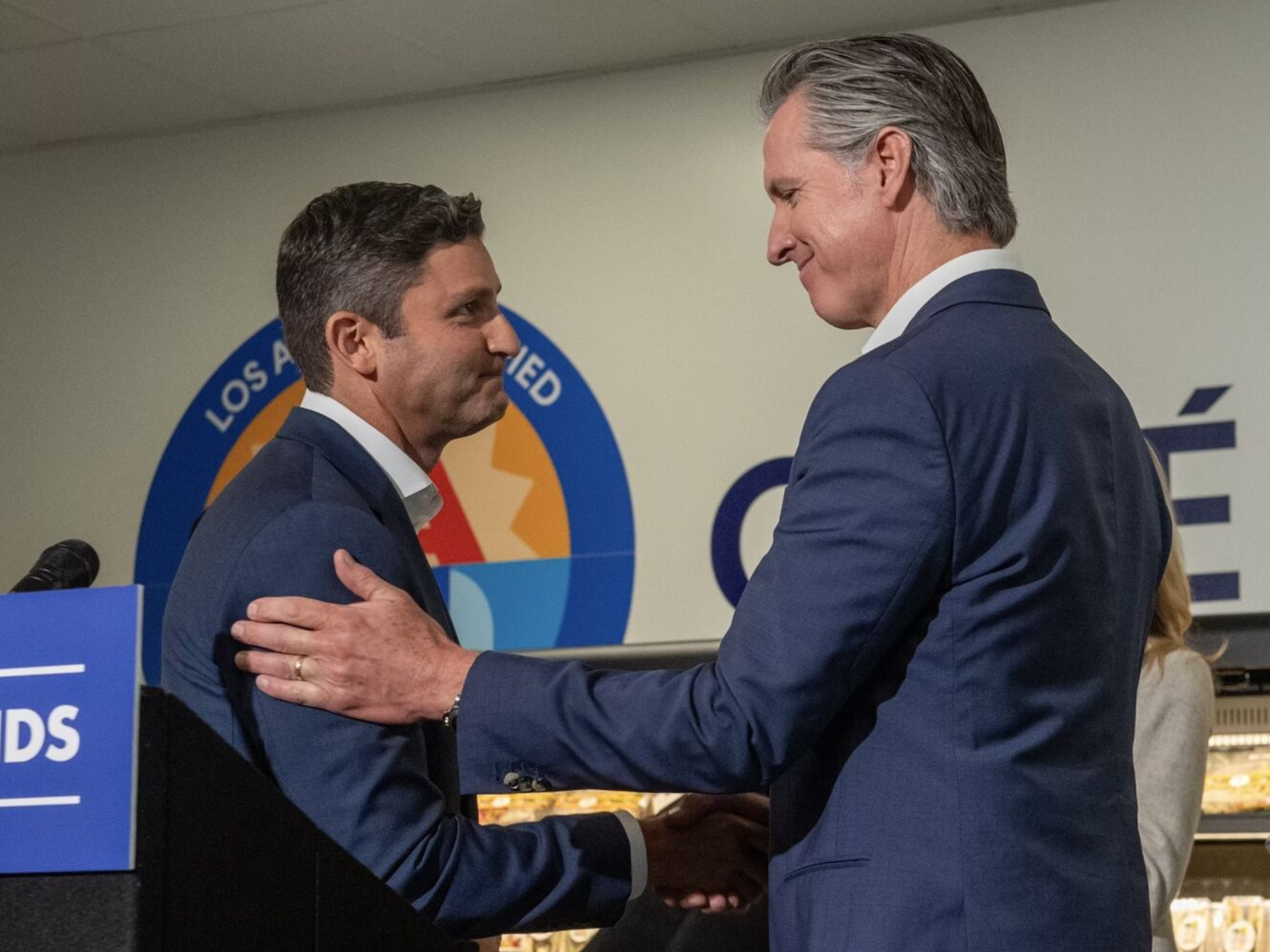
“Like the USDA Organic label, this new seal will provide consumers with clear, trustworthy information and make it easier for them to locate healthier foods that are free from harmful additives,” said Assemblymember Jesse Gabriel, who authored AB 2244.
The bill would also require supermarkets with over $10M in annual sales and more than 25 non-UPF-certified products in-store to prominently display at least three items bearing the Non-Ultraprocessed Certified label at visible points like checkout and store entrances. Moreover, the state will maintain a publicly available list of these products, audit certification records, and enforce standards for the seal.
California’s non-UPF label contrasts with federal policy efforts
The anti-UPF law allows companies to apply for the seal starting June 2028, and if they receive the certification, they’ll need to renew it every three years.
The bill was first introduced in February, and received bipartisan support on its path to Newsom’s desk, with a 72-0 vote in the Assembly and a 32-0 vote in the Senate.
It follows the passage of the Healthy Foods, Healthy Kids Act that kickstarted the effort to ban UPfs from schools, a bill also introduced by Gabriel, alongside the California Food Safety Act in 2023 and the California School Food Safety Act in 2024, which his office says “helped change the national conversation about food additives and ultra-processed foods, shaped federal policy, and inspired similar legislation across more than 30 other states”.
Several other states have imposed restrictions on UPFs, including Arizona, Texas, Louisiana, and West Virginia. A host of non-UPF certifications have cropped up over the last couple of years from the likes of the Non-UPF Program, the Non-GMO Project, and Wisecode.
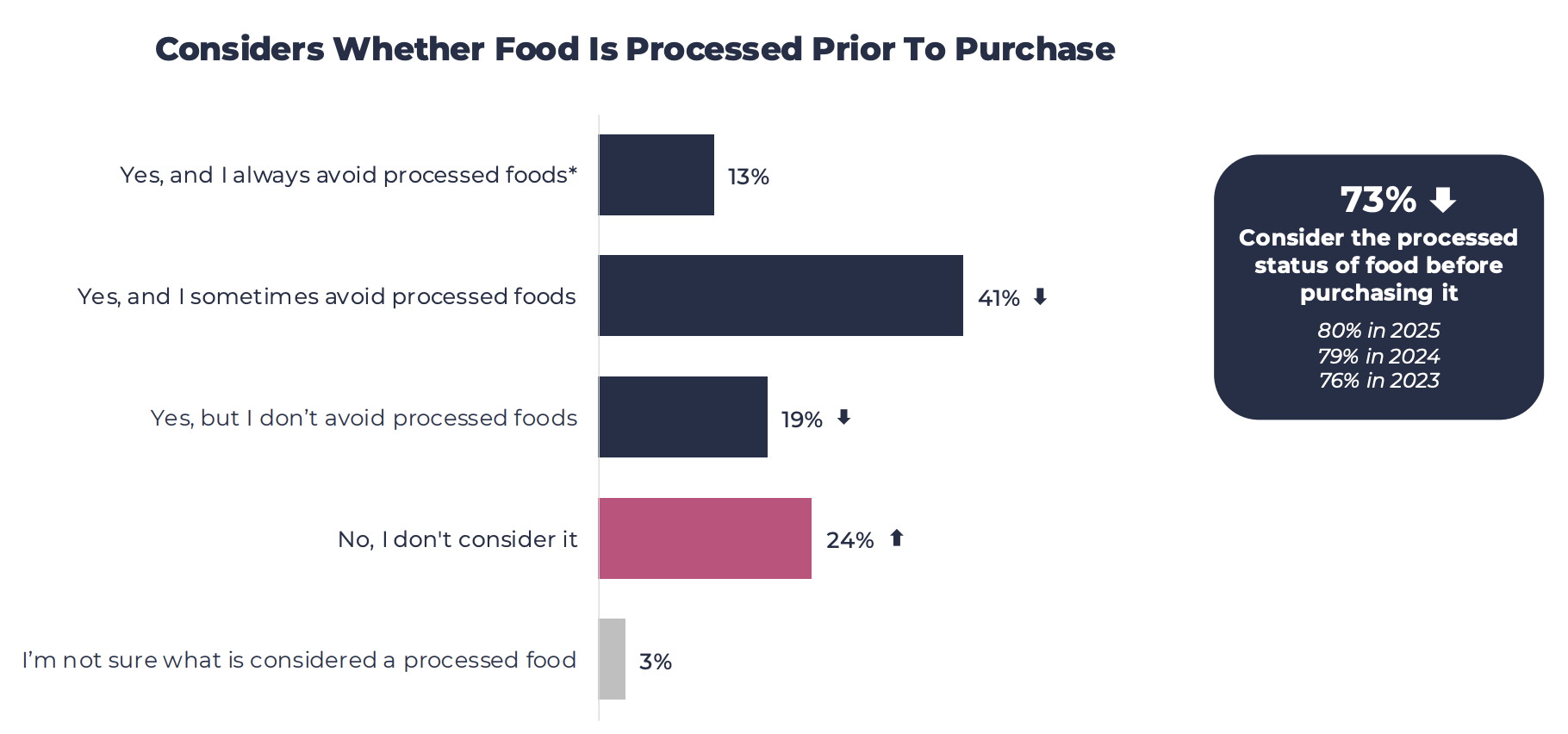
These come as UPFs now top Americans’ list of health concerns, with 72% of them trying to avoid these products in their diets, and 79% feeling they’re a “significant threat” to public health. That said, the share of people who take processing levels into account before deciding whether to buy a food has reduced slightly, from 80% in 2025 to 73% this year.
At the federal level, the Trump administration blamed “highly processed foods” for diet-related diseases in the new (and highly criticised) dietary guidelines. And Congress is considering a bill that would ban UPFs from being marketed to children and require them to carry front-of-pack warning labels.
Health secretary Robert F Kennedy Jr, a prominent critic of these products, has said the FDA “will act” on a petition calling for the revocation of the GRAS status of certain UPFs. However, FDA officials have ruled out an outright ban, while continuing to delay the agency’s release of a definition of these foods.
“While Washington DC is paralysed by inaction, Republicans and Democrats in California are joining forces to empower consumers to avoid harmful UPFs,” Gabriel said. “California began this movement three years ago by banning the most dangerous food additives, and with Governor Newsom’s continued leadership, we are taking another big step forward today.”